
A lithium mine and production facility are one step closer to becoming reality.
In late June, Ioneer Ltd. was issued the Class II Air Quality Permit for its Rhyolite Ridge Lithium-Boron Project in Nevada. This is one of the major permits needed to operate the mine.
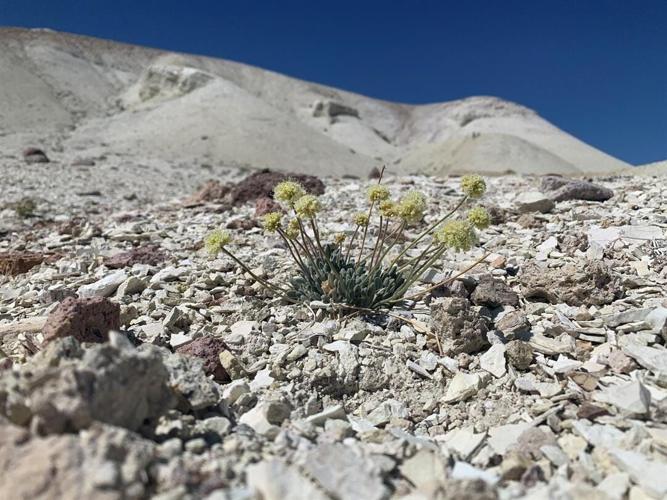
As we reported, the area where the mine is set to be is also the home of a rare plant called Tiehm’s buckwheat. In early June, the U.S. Fish and Wildlife Service proposed to protect Tiehm’s buckwheat under the Endangered Species Act.
Federal wildlife officials say a rare, desert wildflower that grows only in Nevada's desert where an Australian mining company wants to dig for lithium should be protected under the Endangered Species Act.
The Fish and Wildlife Service said Thursday it intends to propose listing Tiehm’s buckwheat as a threatened or endangered species.
The conclusion that protection is warranted comes in a court-ordered finding on the agency's overdue review of a petition conservationists filed in October 2019.
Environmentalists say the flower is on the brink of extinction and the listing would prevent the mine's construction halfway between Reno and Las Vegas.
Ioneer Ltd. insists the flower can co-exist with the mine.
(Copyright 2021 The Associated Press. All rights reserved. This material may not be published, broadcast, rewritten or redistributed without permission.)
ORIGINAL STORY: MAY 19, 2021
Rhyolite Ridge in Esmeralda County is the site of a 2,000-acre lithium mine and production facility. Lithium is a key ingredient in battery manufacturing for electric cars. Australian company ioneer Corp. says the facility would provide enough lithium for 400,000 electric cars per year.
"We happen to have a unique mineralogy that only exists in this one 2,000-acre area that allows us to be the lowest-cost producer of lithium on the planet," James Calaway, Chair of ioneer Corp. said.
If the permits and plans are approved, Calaway hopes to break ground on the $800 million project in late 2021 or early 2022. He says it would create 1,000 construction jobs for two years, followed by 300 permanent mining jobs, paying a median of $141,000 annually.
"The governor has been very clear about this importance of electrification, of transportation, the movement towards renewables, the future of the environment and how Nevada wants to be a leader."
The mine would also produce boron, which is used in things like insulation for houses and glass for things like computers.
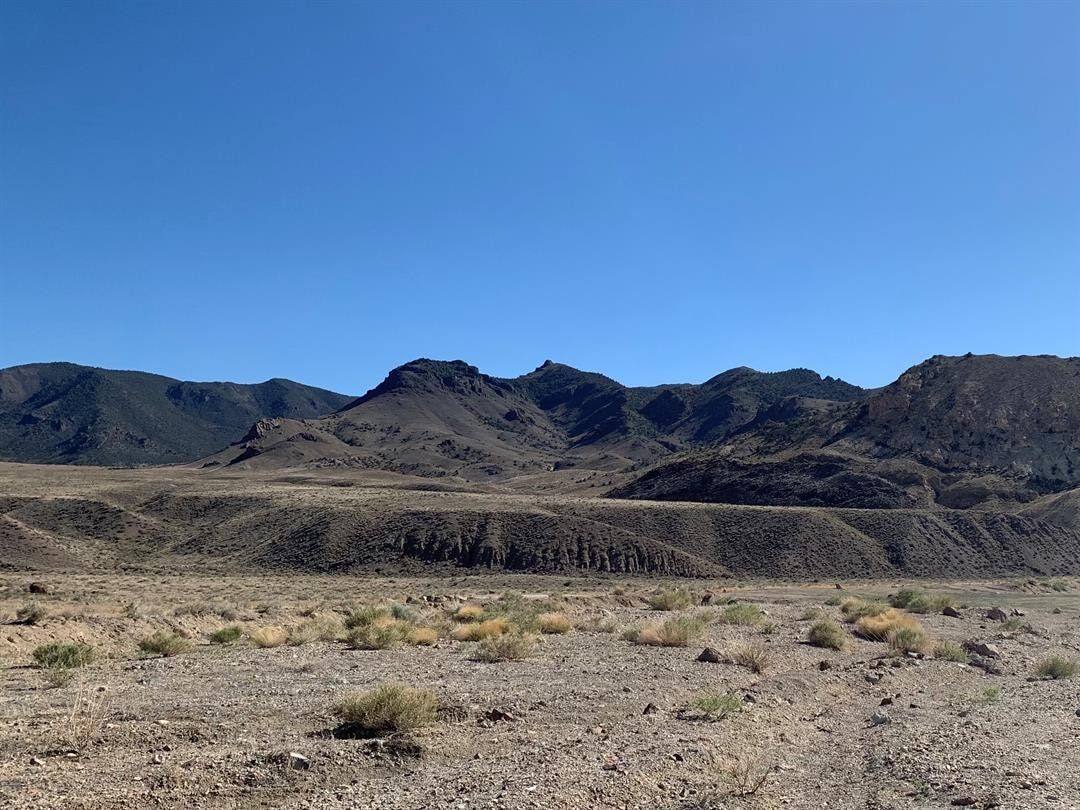
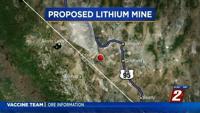
The Rhyolite Ridge Mine would be located about a half-hour west of Silver Peak.
The proposed mine site is about a half-hour west of Silver Peak, Nevada. It is also the only place in the world where Tiehm's buckwheat grows. The wildflower blooms once each year for about a month. Advocates of the plant say the lithium mine would wipe out the species.
"We believe lithium is an important part of our renewable energy future but we are categorically opposed to extinction and we can't have that renewable energy future come at the expense of native biodiversity," Patrick Donnelly, Nevada State Director for the Center for Biological Diversity said. "If there is a way to mine lithium out here without endangering this plant, then that's a discussion worth having because we do need it for our renewable energy future."
"To lose this species is to lose it forever," Naomi Fraga, Director of Conservation Programs at California Botanic Garden said. "We can find lithium in other parts of the world and other parts of the United States and other parts of Nevada."
The yellow flowering plant grows on about 10 acres in patches throughout two square miles. Donnelly says Phase One of the mine would destroy 60 percent of the species, alone. The plant is very picky, living in harsh soils where others cannot.
"Tiehm's buckwheat has evolved over many thousands of years to exploit that niche and to grow in those highly mineralized soils where nothing else can grow," Donnelly said.
Donnelly says there have been studies and attempts to plant them in other places, but its habitat is too specific for that.
"That has failed," Donnelly said. "Tiehm's buckwheat is uniquely adapted to the soils it lives in and just can't survive elsewhere, long-term."
Fraga says there were only about 40,000 plants left, last summer, but that about half of those were destroyed. The cause is unknown but some researchers say it was due to rodents. The plant can live for about 100 years but it is unknown how often it reproduces. It depends on the seeds germinate.
"You don't necessarily get a lot of germination every year so it really varies depending on the conditions as to when you'll get new plants," Fraga said.
The yellow flowers bloom for about one month each spring, usually in May and June. Fraga says only about 10 percent of them bloomed this year because of the dry conditions. The plant lives in a very remote area of the state but Donnelly says the desert flower matters for biodiversity.
"Biodiversity is what gives us clean water to drink and clean air to breathe and it's what puts food on our table," Donnelly said. "So without biodiversity, we really jeopardize our own existence on earth."
The U.S. Fish and Wildlife Service will present its findings whether the plant warrants a listing on the Endangered Species Act on May 31. It will make its final decision in September. Calaway hopes it is not listed but that the mine and the plant can coexist.
"There's no doubt that whether it's listed or its not listed, the same things that need to be done to protect it are what we're going to do," Calaway said. "What we're doing will be to actually devote enormous ongoing long-term support to make sure that we protect that plant in every possible way," Calaway said.
If Tiehm's buckwheat does not make it onto the Endangered Species List, Donnelly says his organization will sue to prevent the mine from starting.
"They're not going to be providing lithium anytime soon at this site," Donnelly said. "The renewable energy transition can't come at the cost of extinction."
Calaway is confident that construction of the mine is right around the corner, saying this is an important decade to electrify cars to reduce greenhouse gases and improve the climate.
"We can help save all the plants and all the creatures including ourselves by taking this and doing it responsibly," Calaway said.

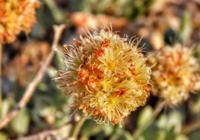
Courtesy: Center for Biological Diversity