From the City of Reno:
The Reno Municipal Court has launched a new state-of-the-art smartphone breathalyzer system to detect alcohol-use by offenders who are under court supervision. With this new technology, the court can perform random sobriety checks. It is less expensive than other electronic monitoring systems, and less intrusive than an ankle bracelet.
“Almost everyone has a cell phone these days, so the new system works great for those whose work or school schedule prevents them from frequent testing at the court,” Administrative Judge Dorothy Nash Holmes says. “It enables participants to comply with their conditions of probation with minimal disruption to their daily lives and also have quicker contact with their supervising officer.”
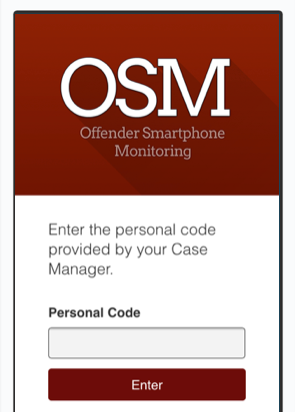
The new technology uses a smartphone, an app and Bluetooth technology to check a person’s blood alcohol concentration (BAC) using a pocket-size breathalyzer. The proprietary technology was created by Outreach Smartphone Monitoring, and it uses the offender’s unique biometric information to prevent fraud.
In addition to alcohol-use monitoring, the app works as a GPS device to alert the court when an offender travels into a restricted zone. Supervising officers can also send messages reminding offenders of upcoming court dates.
The new technology is being used by the Marshals Alternative Sentencing Unit (ASU). ASU provides offenders with an alternative to jail by supervising those addicted to drugs or alcohol and undergoing a year or more of court-ordered counseling. Nevada has a high incidence of DUIs involving alcohol and frequent BAC testing is necessary to hold such offenders accountable.
“We are proud of our Marshals Alternative Sentencing Unit and its continuous effort to be innovative and efficient in supervising our Specialty Court clients,” said Nash Holmes.
Studies have shown that Specialty Court programs are the most successful criminal justice intervention in our nation’s history. The National Drug Court Institute reports that for every $1 spent on treatment courts, communities save an estimated $27 in societal costs such as incarceration, social services and emergency hospitalization of addicts.
From the City of Reno