






6:00 P.M. UPDATE:
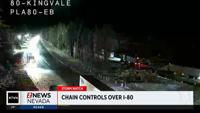
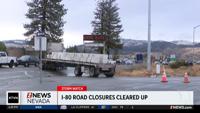
I-80 is now open in both directions over Donner Summit with chain controls in place.
California Highway Patrol confirmed the reopening on their X page.
Drivers are advised to use caution while traveling through the pass.
---
ORIGINAL ARTICLE:
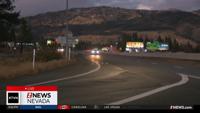
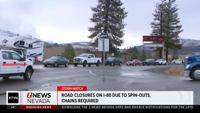
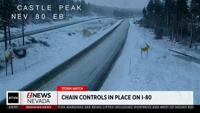
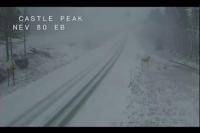
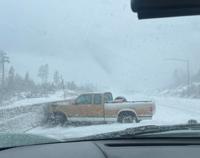
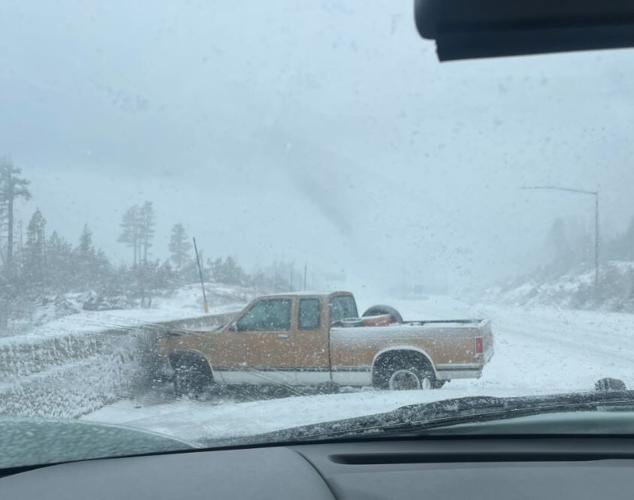
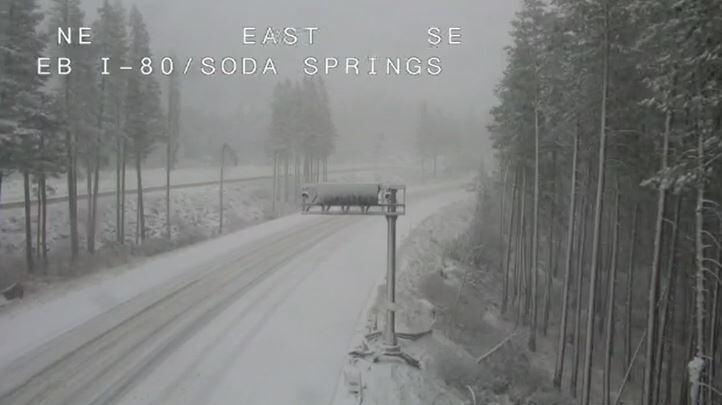
I-80 is closed over Donner Summit due to multiple spin-outs along the highway.
There's no current estimate on when the section of road will reopen.
Chains are required though on U.S. 50 from Glenbrook to SR 28. Also, on Mt. Rose Highway from Diamond Peak to Incline Lake.
The National Weather Service in Reno says a Winter Weather Advisory is in effect to 10 p.m. on Monday for the greater Lake Tahoe area.
Snowfall amounts over Sierra passes are projected to be 2-6 inches. Higher ridges across the Sierra crest are projected to see more than 8 inches of new snow.
A Winter Weather Advisory is in effect from Noon PST today to 10 PM PST Monday for the greater Lake Tahoe area. Snowfall amounts over Sierra passes are projected to be 2 to 6 inches. Higher ridges across the Sierra crest are projected to see 8+ inches of new snow. #CAwx #nvwx pic.twitter.com/iPPTGWW2OI
— NWS Reno (@NWSReno) November 10, 2024
Be careful while driving in many areas, whether near Mt. Rose or Donner Summit.
Check https://quickmap.dot.ca.gov and https://nvroads.com for the latest road conditions before you travel today.
NDOT has a full list of safe winter driving tips.
DRIVING TIPS
* Only travel in winter weather when necessary, leave enough time to safely reach your destination and plan your route to help avoid snowy/icy areas and steep hills.
* Before driving, check weather and road conditions by dialing 511 within Nevada (or 1-877-NV-ROADS outside of Nevada) or logging on to nvroads.com
* Share your travel itinerary so others know when to expect you.
* Remove snow and ice from all vehicle windows, mirrors, lights, turn signals and license plates.
* Buckle up.
* Turn on headlights to see and be seen.
* Do not rely solely on GPS to find alternate routes, as it could lead to unmaintained roadways or hazardous areas.
* Turn off cruise control.
* Avoid quick starts, stops and fast turns. Accelerate, brake and steer smoothly and gradually.
* Reduce speed. Speed limits are based on normal road and weather conditions, not winter road conditions.
* Do not slam on brakes. Apply steady pressure on ABS-equipped (antilock braking system) vehicles and pump the brakes if necessary on non-ABS vehicles.
* Always comply with all posted traction device requirements.
* If your vehicle has snow tires, install and use them between October 1 and April 30.
* Keep additional distance from other vehicles.
* Watch carefully for snow removal equipment.
* Do not pass without good distance and sight clearance.
* Use extra caution on bridges, ramps, overpasses and shaded areas- they may freeze first.
* Maintain a high fuel level.
* If vehicle begins to skid, steer in direction of slide and slowly remove foot from accelerator.
* Be aware of black ice.
* If parked or stuck in snow, leave window slightly cracked for ventilation and make sure vehicle exhaust system is clear of snow.
BE PREPARED
Check before you go:
∙ Wipers
∙ Tires / tread
∙ Brakes
∙ Lights
∙ Battery
∙ Radiator
∙ Belts / hoses
∙ Exhaust / fuel / ignition system
∙ Heater / defroster
∙ Thermostat
∙ Vehicle fluid levels (anti-freeze oil, windshield, brake fluid, etc.)
∙ Full gasoline tank
(NDOT contributed to this report.)