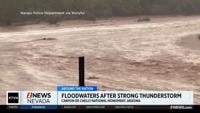
Parts of the Humboldt-Toiyabe National Forest in Nevada and eastern California has experienced numerous rain events, and more are expected. Visitors are reminded to use caution when traveling on U.S. Forest Service roads and trails, especially those that cross or parallel waterways.
Officials say forest users should always use defensive driving techniques by adjusting vehicle speed to current weather and road conditions and watching out for flooded roadways, washed-out culverts and bridges, and fallen rocks and trees.
Hikers also need to look out for similar conditions on trails and tread carefully on muddy slopes, slimy rocks, and rain-slickened logs.
Be prepared to seek alternate routes, if necessary, but keep in mind that if the main route to your destination has been closed because of road or trails conditions, alternative routes will most likely be impassable.
Forest Service officials also want to remind the public to never attempt to drive or hike through an area that has been flooded or a debris flow has occurred.
These types of events hide dips in roads or trails and other obstacles. Worse still, there may not be a road or trail at all. Flooding and debris flows can wash away the entire road or trail surface and a significant amount of ground beneath.
In addition, the wet weather has made unpaved Forest Service roads or trails highly susceptible to surface damage. Forest’s roads and trails can become damaged or erode when used during wet and saturated conditions. Proper and responsible use of Forest roads and trails are important to ensure they remain in good shape for other visitors.
Causing damage to roads and other Forest resources can be a violation of federal regulations, which could carry a fine up to $5,000 and/or six months in jail.
To report damage Forest Service roads or trails on the Humboldt-Toiyabe National Forest, contact the local ranger district office or Troy Jorgenson at troy.jorgenson@usda.gov