A fungus linked to white-nose syndrome in bats has been found in Nevada, for the first time.
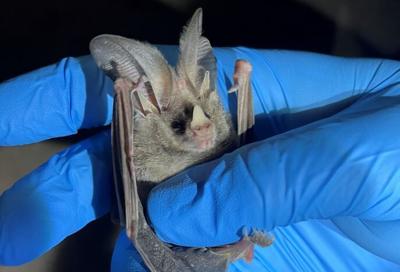
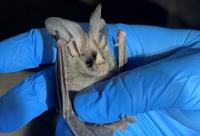
The Nevada Department of Wildlife says Pseudogymnoascus destructans (Pd) was found on a California leaf-nosed bat during routine monitoring in Lake Mead National Recreation Area in Clark County. W
While Pd was confirmed in the sample, NDOW says no bats showed clinical signs of the disease, white-nose syndrome.
NDOW says white-nose syndrome primarily affects hibernating bats and it has caused the deaths of millions of North American bats since it was first documented in New York state in 2006.
NDOW says 14 of Nevada’s 23 bat species are known to hibernate and are therefore potentially susceptible to the disease. Of these, several species in the genus Myotis are known to be especially vulnerable.
“We knew it was a matter of time before Pd arrived in Nevada and we have been vigilantly surveying bats for many years now, not only for this fungus but also to track their population trends,” said Jonathan Young, NDOW Wildlife Staff Specialist. “Nevada’s bats are incredibly important, and this fungus could have serious implications for their conservation. We will continue to monitor the situation and increase our efforts to reduce the spread of this fungus through continued equipment sterilization, habitat protection, and increased public education.”
NDOW says bats provide critical benefits to Nevada’s ecosystems, including consuming large quantities of insects and supporting the health of agricultural and natural landscapes. While Pd poses a serious risk to bat populations, it does not impact humans or pets.
NDOW says it will continue monitoring Nevada bats to determine how widespread the fungus is. Pd is primarily spread by bat-to-bat contact but can also be spread by humans on contaminated clothing and equipment. Ongoing efforts are also underway to protect important bat habitats, particularly abandoned mines. People are urged to avoid entering abandoned mines both for their own safety and to prevent unintentionally carrying the fungus to new bat sites.
(NDOW contributed to this report.)