The Nevada Department of Transportation’s Freeway Service Patrol, which responded to nearly 3,500 incidents on Reno-area highways during the first four months of the year, is reminding drivers to get their cars ready for summer.
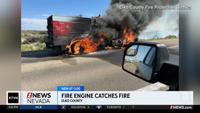
The Freeway Service Patrol travels designated highway routes to assist with clearing stalled cars, providing basic first aid, extinguishing small car fires, managing traffic at incident scenes, and more.
According to national data, every minute a highway lane is blocked adds four minutes to traffic recovery and increases the chance of secondary crashes.
The patrol helps limit these risks by safely and quickly clearing roadways.
With warmer weather, the number of disabled cars on the roadside increases, often because drivers have not taken steps to prepare their cars for the seasonal shift.
The Freeway Service Patrol offers the following summer driving tips:
- Check tire pressure and tread. “Colder winter temperature can reduce tire pressure, potentially leading to increased wear and poor handling. As warmer weather arrives, make sure your car tires are properly inflated to manufacturer recommendations, which can also enhance fuel efficiency.”
- Inspect all car lights, including headlights, brake lights, back-up lights, tail lights, parking lights, and turn signals.
Check windshield wipers and replace them if needed to prepare for summer showers.
Examine brakes, filters, oil, all fluid levels, hoses, and belts.
Check the car battery and cables.
Test the air conditioning system.
Pack an extra bottle of drinking water. “It can provide hydration and can be used for cooling down an overheated engine, washing hands after any urgent roadside car repairs and more.”
Know your car’s spare tire and tire repair equipment. “Many new cars no longer come with a spare tire.”
Be alert and share the road. “Warmer weather brings more motorcyclists, bicyclists and pedestrians to Nevada roads. Everyone should watch for each other and share the road.”
Slow down and use headlights in rain. “Infrequent summer rains can produce slippery roads due to oil and other leaked fluids on roadway surfaces mixing with rainwater.”
Each Freeway Service Patrol operator is a certified automotive technician and receives training in emergency car operation, fire protection, CPR, hazardous materials handling, traffic flagging, and First Aid.
The Freeway Service Patrol is not reachable by phone, but route information can be found by visiting dot.nv.gov and selecting “Travel Info.”