










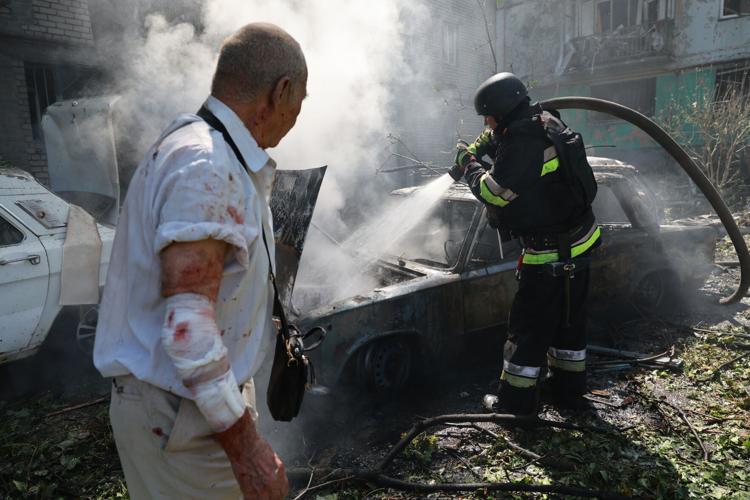
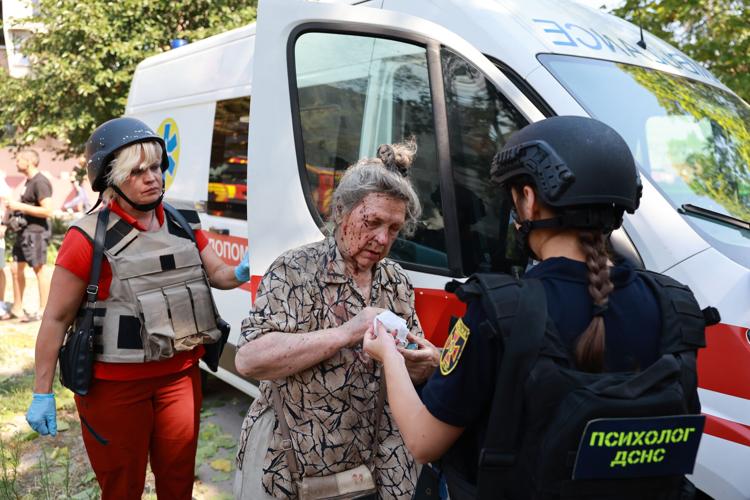
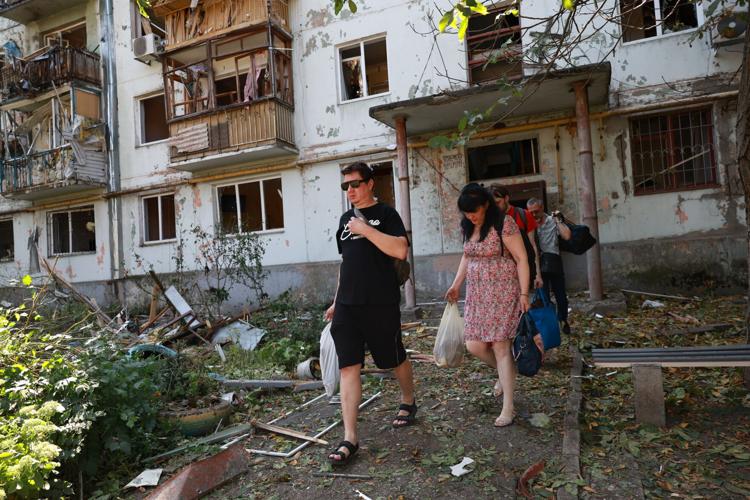
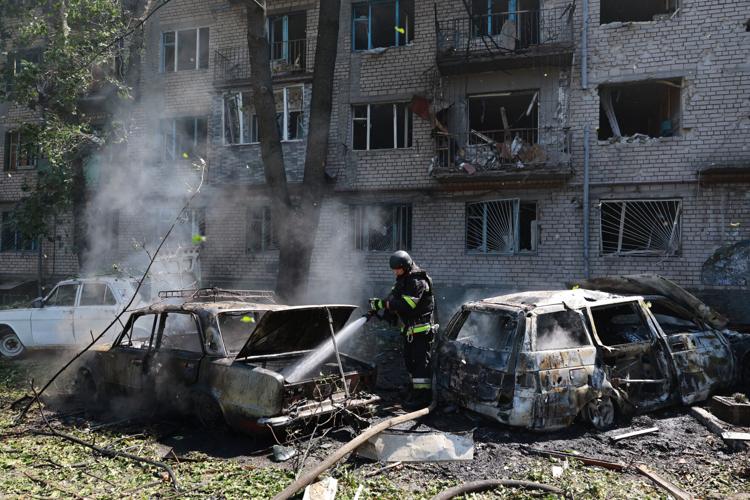
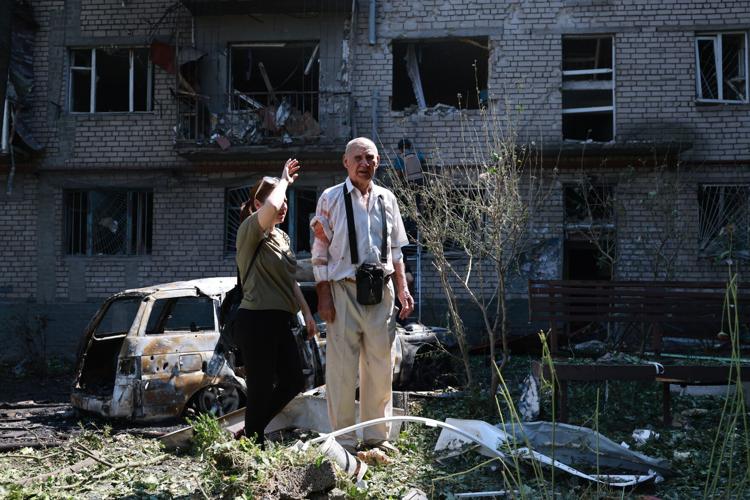

Ukraine attacked the petroleum hub of Nizhnekamsk in central Russia’s Tatarstan region on Monday, killing 13 people and injuring 75 others, local authorities said, in one of the deadliest attacks in the country in the 4-year-old war.
The Ukrainian military said it hit an oil refinery in Nizhnekamsk, which is about 1,200 kilometers (750 miles) east of the Ukrainian border and has a population of about 240,000.
Russian officials didn't say what the drones targeted, but the city is home to two refineries and a petrochemical plant. Ukraine has targeted Russian oil facilities with long-range drones almost daily in recent months. The campaign has caused fuel shortages in Russia, eaten into its refining capacity and unsettled the population.
Also on Monday, several Ukrainian drones sparked a fire at an industrial facility in the Tyumen region of western Siberia, said Gov. Alexander Moor, without offering any details. Last month, Ukrainian drones hit a refinery in Tyumen, more than 2,400 kilometers (about 1,500 miles) east of the border with Ukraine.
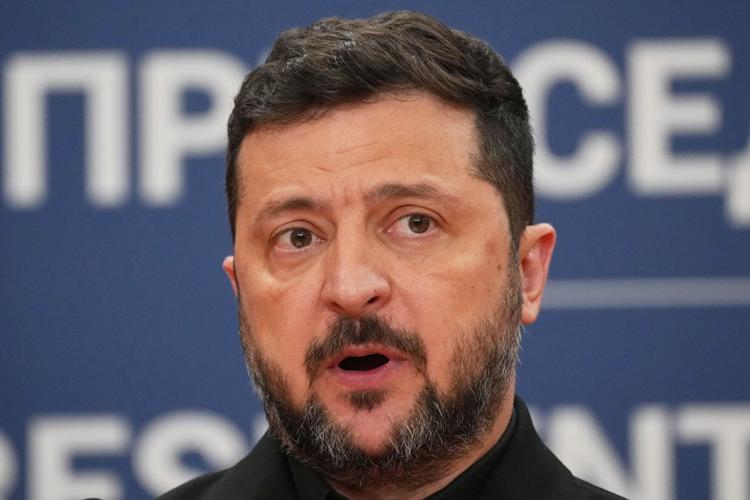
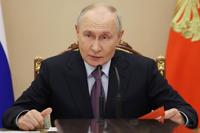
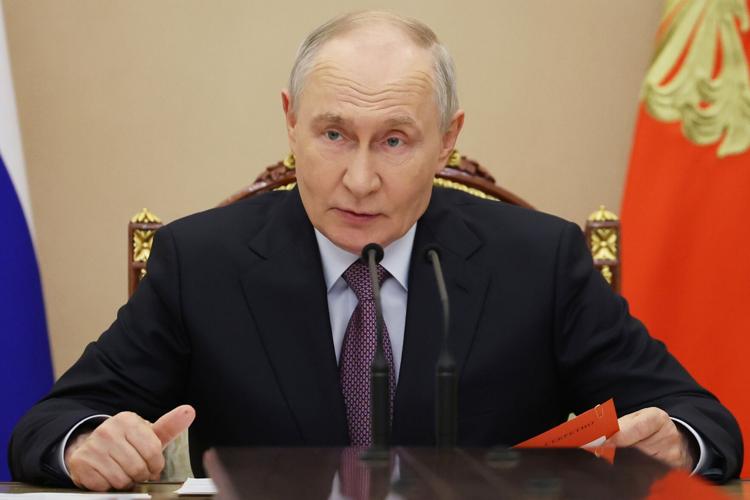
Ukrainian President Volodymyr Zelenskyy says his country is trying to force Russian President Vladimir Putin to the negotiating table and stop his full-scale invasion, launched in 2022. Russia is one of the world’s biggest energy producers.
Ukraine’s General Staff said its forces struck a Taneco oil refinery in Nizhnekamsk, starting a fire.
The city came under a “massive” drone attack targeting industrial and civilian facilities, according to the press service of Tatarstan’s head, Rustam Minnikhanov.
One of the drones hit a hostel, killing nine of the 13 victims, including citizens of Uzbekistan and Kyrgyzstan, officials said. Uzbekistan’s consular office in Tatarstan said seven of its nationals were killed.
A child was among the dead, along with the 75 injured, the press service said, adding that Monday was declared a day of mourning in Tatarstan.
It was not possible to independently verify either side’s claims.
Repairing the refineries is complicated for Russia. Ukraine’s attacks have damaged specialized equipment that is often imported, making repairs time-consuming and expensive as workarounds or replacements are sought by evading international sanctions.
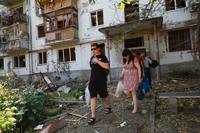
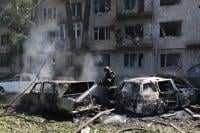
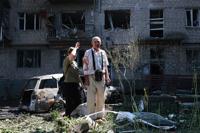
Russia has also regularly battered Ukraine from the air using missiles, powerful glide bombs and drones, hitting civilian areas and causing thousands of civilian casualties, according to the United Nations. In the first six months of this year, 1,396 civilians were killed and 7,978 injured in Ukraine, the U.N. office in Kyiv said last week. That was a 37% increase from the same period last year, it said.
A Russian glide bomb struck the city of Zaporizhzhia in southern Ukraine, injuring 24 people, authorities said Monday. The city is the capital of a region of the same name that is partly occupied by Russian forces.
The World Health Organization’s European office said that one of its warehouses in the central Dnipro region of Ukraine was hit twice in less than 24 hours. The attacks destroyed emergency supplies worth an estimated $500,000 that were intended for front-line health facilities, it said in a statement. No casualties were reported.
Ukraine's drones have struck deeper inside Russia
Ukraine’s domestically developed long-range drones have flown increasing distances deep inside Russia, with some now reaching Siberia, around 2,000 kilometers (1,200 miles) from the border.
“We do deliver entirely justified responses, and every Russian strike will be met with our response. Russia’s war will be felt more and more at their own home -– in Russia,” Zelenskyy said late Sunday on social media.
“The only reason this is still continuing is Russia’s unwillingness to end this war.”
As part of a parallel campaign to disrupt Russian military supply lines leading to the front line in eastern and southern Ukraine, Kyiv's forces struck road, rail and pontoon bridges in six regions last month, the Defense Ministry said Monday.
By repeatedly striking routes for fuel, ammunition and reinforcements, Ukrainian commanders say they have made Russian logistics slower, costlier and hard to organize. That has helped stall Russian advances and enabled Ukrainian counterattacks, they say.
Follow the AP’s coverage of the war in Ukraine at https://apnews.com/hub/russia-ukraine