

A Tahoe City businessman accused of illegally smuggling potentially harmful amphibians into the U.S. pleaded guilty to one count of smuggling goods into the United States.
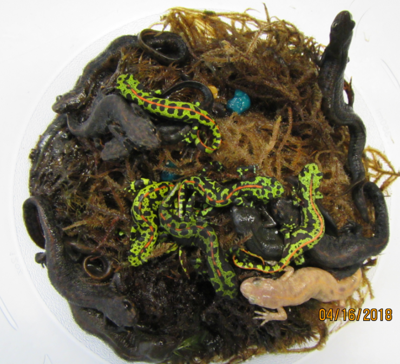
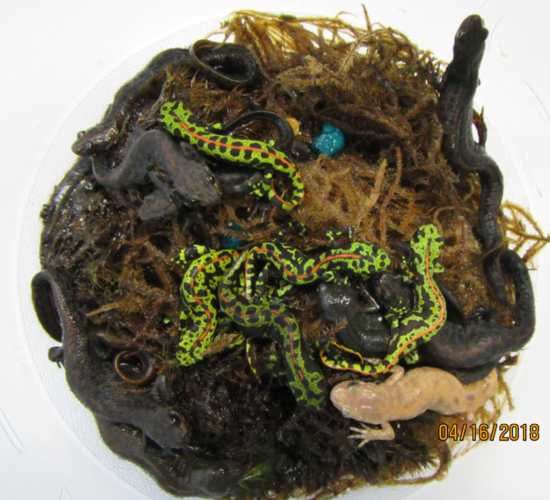
The plea comes after an investigation was conducted by the U.S. Fish and Wildlife Service and a search warrant was served at Andrew Laughlin's home where authorities discovered 81 live newts of various species.
Authorities say some of the newts seized, tested positive for a potentially harmful viral fungus.
The fungus is known to cause a significant decrease in over 500 different animal species populations, 90 of which are presumed extinct.
The harmful fungus originated out of Asia and is known to spread through illegal animal smuggling rings.
According to the U.S. Attorney's Office, Eastern District of Columbia, 47-year-old Andrew Laughlin of Tahoe City is scheduled to be sentenced on October 7, 2024.
According to court documents, Laughlin, a Tahoe City resident, who also owns a local kayaking store acted as a middleman in an international amphibian smuggling ring.
Laughlin admits that his involvement in the smuggling of the animals was so that he could personally acquire the hard-to-find newts.
He shipped and received multiple packages that were falsely labeled as toys or art to people in Hong Kong and Sweden.
The packages contained live Eastern Box turtles, spotted turtles, fire belly newts, Asian warty newts and newts native to California, all of which are prohibited from being imported into the United States.
The introduction of such animals is prohibited because their introduction could harm the ecosystems and natural resources of the United States.
As part of Laughlin's plea deal, he has agreed to pay for the costs of caring for and testing of the animals seized.
Laughlin has also agreed to undertake a voluntary public education campaign and educate the customers at his local kayak store about the harms of illegal amphibian smuggling.
His actual sentence is at the discretion of the court, which will consider any legal factors and federal sentencing guidelines, which have several variables.