
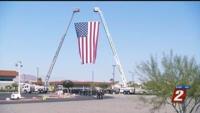

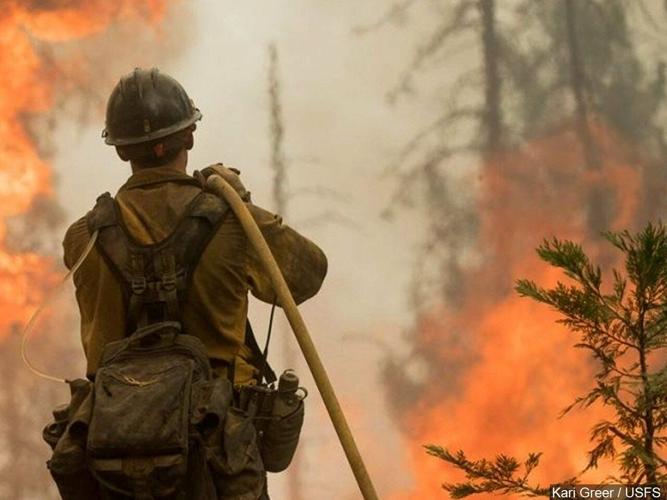
Firefighters in Las Vegas honored a fellow firefighter we told you about earlier this week. 35-year-old Robbie Pettingill took his own life on September 17th.
The Henderson Fire Department said he was suffering from post-traumatic stress disorder (PTSD) brought on by his job. Pettingill had been a firefighter since 2006 and his father was also a firefighter for the Henderson Fire Department.
Here at home, peer support groups have been put in place to fight the trend among fire crews. They say that a traumatic event could be anything; it all depends on what triggers you.
“PTSD, stress, anxiety, sleeping disorders, when all those come together you will go to a place that is very dark, that's when suicide becomes an idea now,” says Derek Reid, Firefighter with Truckee Meadows Fire Protection District.
There isn’t a right shape or form for peer support.
“It could be a conversation over coffee at a fire house, it could be an off-duty meeting with someone to talk, we call it diffusing after a critical incident where we go to the station where they had a bad call and try to talk about the bad call and process the emotions involved,” says John Mandell, Firefighter with the Reno Fire Department.
Fire departments are trying to manage PTSD, depression and burn out by creating a safe and confidential space where firefighters and their families can seek help.
“I had to use services not too long ago for a friend of a friend where I actually reached out for someone in the peer support team and got the wheels rolling for someone that was in need,” says Peter Larsen, Firefighter with Reno Fire.
The culture is quickly changing, allowing first responders to work through emotions most people wouldn’t be able to understand how to deal with.
For more information on peer support groups for firefighters, you can visit this link here.