
After a less than average snow season you may be hoping for more moisture. Our dry climate has its pros and cons. The mild, sunny, dry weather is great for going for a walk but it can also take a toll on your health.
"Yes, it's very dry here, I feel it in your sinuses, feel it in your throat when you're walking,” said local resident Heather Luna.
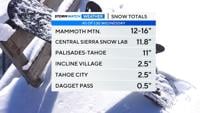
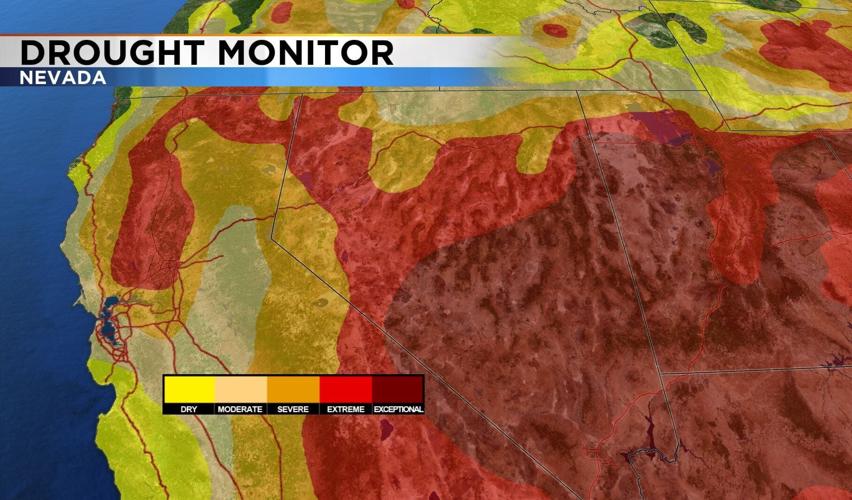
Some experts say the dry air can compound your allergy symptoms. Just like allergies, dry air can make your eyes dry and itchy, as well as your throat. The pollen forecast is expected to reach the high category by Friday. The dry air can also increase our fire danger and worsen a drought. Much of western Nevada is currently in a severe to extreme drought. Thankfully it’s not quite as bad in the Sierra, but we’re still way behind for the water year. The Reno Airport usually sees 7.4 inches of precipitation each year, but we’ve only received 2.35 inches since October 1st and 1.48 inches since the beginning of January. This puts us 2.80 inches behind schedule for the water year. There are some positives for living in a dray area.
"I'm used to it, so when I get in areas where it's more humid, stuff like that is fine, but I'm happy to come home to a more arid place,” said local resident Lloyd LeBard.
While we’re not immune to it, both fog and frost requires moisture, especially in the ground and lower levels of the atmosphere. Less frost means less time scraping your car’s windshield. Dry air also cools off easier at night. This means you don’t have to run your air conditioner as much, and will therefore save you money on your electric bill. If the air is clean, you can always open up the windows. A muggy day feels warmer than it actually is.

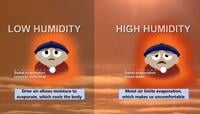
A good indicator for how muggy it is outside is the dewpoint temperature. Dewpoints are usually quite low in our area below 50 degrees, but in places like Florida they are typically in the 60's and 70's. It usually starts feeling muggy when dewpoints reach 60 degrees. Granted it is all about perspective, so if you’re not used to it, even the 50’s can feel a little humid. The heat index is the opposite of the wind chill index. While both state what the air actually feels like, the heat index is for summer weather when temperatures are at least 80 degrees. For example, a high of 92 degrees with a relative humidity of 60 percent feels like 105.