Atmospheric rivers are known to impact the west coast during the winter season, and can affect states such as California, Oregon, and Washington. Sometimes the heavy rain and snow can push past the Sierra, helping our water table in western Nevada.
The sweet sound of rain is usually welcomed in Northern Nevada. To get rain or snow, you need a decent amount of moisture.
"In the last ten years we've done a lot of research on atmospheric rivers and we're getting the ability to see them more than a week out now," said meteorologist Zach Tolby.
An atmospheric river or the 'pineapple express' are essentially the same thing - atmospheric river being the scientific term.
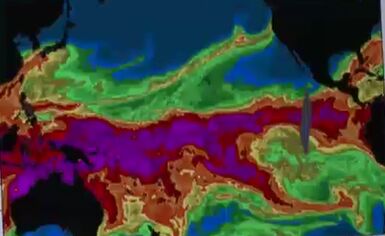
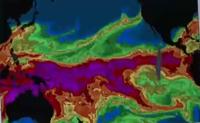
"This is a satellite image of the moisture in the atmosphere and you can see there is a lot of moisture over the tropics and this is the atmospheric river that is impacting our area right now," said Tolby.
The river of moisture comes up all the way from the tropics and just past the Hawaiian Islands. Hence the term 'pineapple express.'
"It actually transports around as much moisture as the Amazon River through the atmosphere," added Tolby.
And just like a river itself, some atmospheric rivers are stronger than others. They can range anywhere between 100-200 miles wide.
"We see usually ten to 20 events making landfall on the west coast per year," said climatologist Nina Oakley.
With only a few spilling over past the Sierra.
"A couple of those events were on the first and second of January 1997. We had major flooding along the Truckee River," said Oakley.
You can also have weak atmospheric rivers and not all atmospheric rivers cause flooding. The ones that do are usually long lasting and slow moving. Sometimes they can last longer than a week.
"We're expecting it to impact the Sierra for 24 to 36 hours," said Tolby.
A small number of atmospheric rivers can make up a large fraction of our annual precipitation. Therefore benefiting our actual rivers and streams. In recent atmospheric river events, we've seen over an inch of rain at the Reno-Tahoe International Airport and several inches in places like Tahoe City.
As a frame of reference, the average annual precipitation at the airport is just over seven inches.