

The Better Business Bureau is reporting that online scams are on the rise in Northern Nevada right now. The pandemic is making it easier for criminals to rip people off with the promise of a wide array of goods and services. A lot of people are being left without what was promised and without their money.
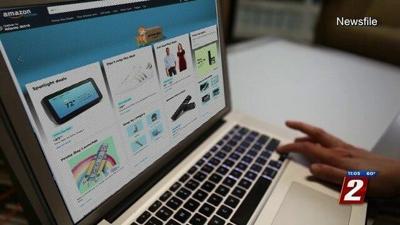
"People are staying at home. ordering things online," said Tim Johnston from the Better Business Bureau. The pandemic has led to a surge in online purchasing and that trend has caught the eye of scammers. They're offering an array of items you might not expect, and not delivering on the arranged deals. "We're seeing pet scams. We're staying home. We're tired of being by ourselves. We're thinking this would be a great time to bring a pet into the family," said Johnston.
The hot item right now however is vehicles. "Cars.trucks, boats, and RVs," said Johnston. Restrictions from the pandemic are making it easier for con artists to increase their anonymity and making it easier to take advantage of people.
"No one wants to really meet anyone in person. They really want to keep that social distance. So the scammer is using that opportunity to say they've got this great deal. Sorry they can't meet you in person, because they really don't want to get sick. We're more inclined to actually believe that," said Johnston.
A refusal to meet in person isn't the only red flag shoppers should look out for. Scammers often post on Craigslist or Facebook Marketplace offering deals that seem too good to be true. "The reason why you probably jumped on that listing is because the price was great. When you talk to them you find out the reason they are selling it at such as a steal is maybe they are going to be deployed, maybe they had a divorce, or a loss in the family. It's a scam," said Johnston.
Another warning sign is the method by which they ask you to pay. "They're going to ask you for a bank to bank wire transfer or they are asking for gift cards or debit cards," said Johnston.
The BBB's best advice for people is to look for those red flags and if you have doubts don't do the transaction. Johnston says most of these scams are coming from people in Romania who are becoming more computer literate.