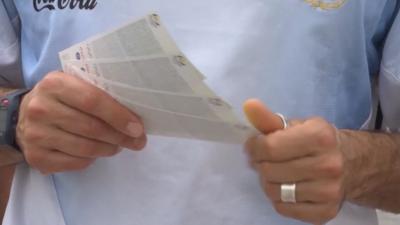
The Better Business Bureau says last year, they received more than 400 reports from people being scammed when trying to buy tickets for an event.
"This is a way that scam artists can take advantage of what's hot in the news and really spin that," Vice President of Outreach for the BBB Tim Johnston says. "And get people to maybe give information or eventually buy something."
He says there are plenty of legitimate sources for secondary ticket sales, but the internet provides more anonymity than ever before. That makes it easier on scammers to appear legitimate.
"Long gone are the days of where we go directly to the source to buy the tickets whether it be the movie theater or buy the item down at the retail store we're used to going to," Johnston says.
He says scam artists selling tickets often aim for one of two ways to create urgency for a transaction.
"When they're thinking maybe they're getting a great deal," Johnston says. "Or getting into something they couldn't get into on their own because they missed the deadline."
He says the safest options is to buy tickets directly from the vendor. He says it's always a good idea to use certain types of payment when making these transactions with a secondary ticket seller.
"Make sure you're paying with a source that provides some protection like a credit card," Johnston says. "Credit cards typically have some protection behind them and you can go dispute that charge if there happens to be an issue. If you pay with a debit card or a wire transfer, that money is gone."
In a press release from January, Nevada Attorney General Aaron Ford says in part, "I encourage consumers to think carefully about any opportunity that sounds too good to be true. If you notice suspicious activity or fall victim to a ticket reseller or event scam, my office wants to hear from you."
In that release, the Attorney General's Office agrees buying directly from the vendor is the best option. He says people should look online to see which secondary ticket sellers advertise with that vendor, to help ensure their legitimacy.
The release also suggests verifying your seat information before buying the tickets, and Johnston says if the ticket seller does not cooperate with you to verify the tickets, it's a red flag.
If you want to submit a report of a possible ticket scam, you can fill out one for the Attorney General's Office here and the Better Business Bureau here.