

North Tahoe Fire says they are seeing an alarming increase in gas leaks and carbon monoxide related emergencies. They say these are resulting from repeated storm systems and heavy snow.
Since January 1, 2023, they say hazard calls have accounted for nearly 20% of non-EMS incidents. Their firefighters are on a mission to empower the public with information on ways to prevent snow-related emergencies by properly maintaining mountain homes.
They say many of these incidents are the result of heavy snow build-up on combustion-appliance venting, buried foundation vents, and improper or snow-obstructed home generator ventilation systems.
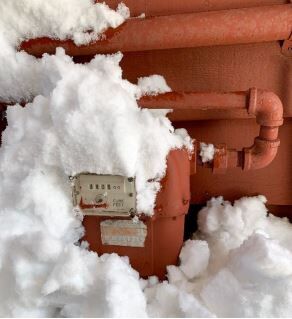
Gas leaks are also on the rise due to deeply buried propane tanks, above ground propane plumbing, and buried natural gas meters impacted by the snow.
The repetitive freeze-and-thaw cycles following winter storms combined with the weight of the snowpack places glacial-like torsional stress on tanks and propane plumbing systems, causing dangerous leaks.
Roof snow shedding, which is always a danger to people and pets, is also a danger to gas meters, propane tanks and above ground gas plumbing, and another common cause of leaks.
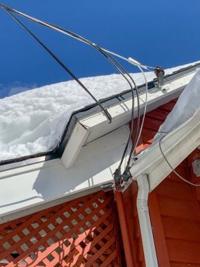
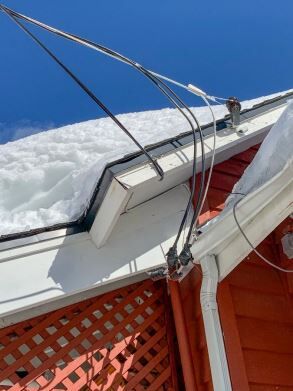
“Be aware to stay well clear of the 240V power service drops that may be covered in snow by roof cornices,” said North Tahoe Fire Chief Steve Leighton. “An aluminum shovel or ladder that comes into contact with a power service drop can easily electrocute and kill a person.”
Propane tanks/cylinders, gas lines, and regulators and appliance vents need to be continuously maintained throughout the winter by keeping them cleared of snow and ice buildup.
The district recommends the following:
- Take caution when clearing snow from roofs and protect propane tanks or cylinders, propane lines, regulators, and vents from falling snow.
- When plowing, snow blowing or shoveling, do not push or pile snow around a tank, meter, regulator, or piping. North Tahoe and Meeks Bay Fire Protection Districts North Tahoe Fire, 222 Fairway Dr., PO Box 5879, Tahoe City, CA 96145 www.ntfire.net
- Use caution when removing snow from the tanks and cylinders, gas piping and regulators; don’t use sharp tools or force. Carefully clear heavy snow until the tank and equipment are visible, complete final clearing with soft tools such as brooms or brushes to prevent damage to equipment and components.
- Tanks should not be allowed to run dry; doing so may require an inspection of all gas appliances before the tank can be refilled. Be sure to place refill orders before the tank reaches 30-40 percent and keep tanks clear of snow with a path accessible to gas suppliers.
- Propane smells like rotten eggs, and propane leaking into snow may release more of a musty odor.
- Anytime there is an odor of propane or natural gas, call 911 immediately.
- Watch this Propane Snow Safety PSA (2019), courtesy of Placer County Sheriff and North Tahoe Fire.