

Since 1967, school districts in the state of Nevada have been funded through what's called the Nevada Plan. Starting in 2021, a new system called the Pupil-Centered Funding Plan will change how school funds are kept and distributed.
The Nevada Plan has three types of funding: categorical funding (for things like Zoom and Victory Schools), the distributive school account (base funding for students), and federal funds.
The Pupil-Centered Funding Plan will keep federal funds separate, because there are usually separate requirements for federal dollars, but all other funds will go in what's called the State Education Fund. There's a Education Stabilization Account within the State Education Fund, which experts say is essentially a rainy day fund.
Superintendent of Public Instruction for the state of Nevada Jhone Ebert says the point was to improve transparency regarding how funds are distributed to schools.
"A lot of our constituents were saying, we understand that education is funded," Ebert says. "But we're not sure how that funding goes to the school districts and translates resources to the students."
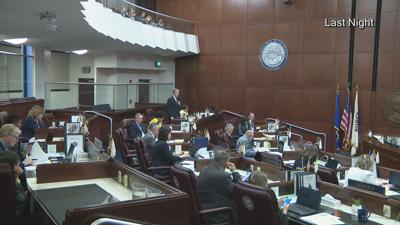
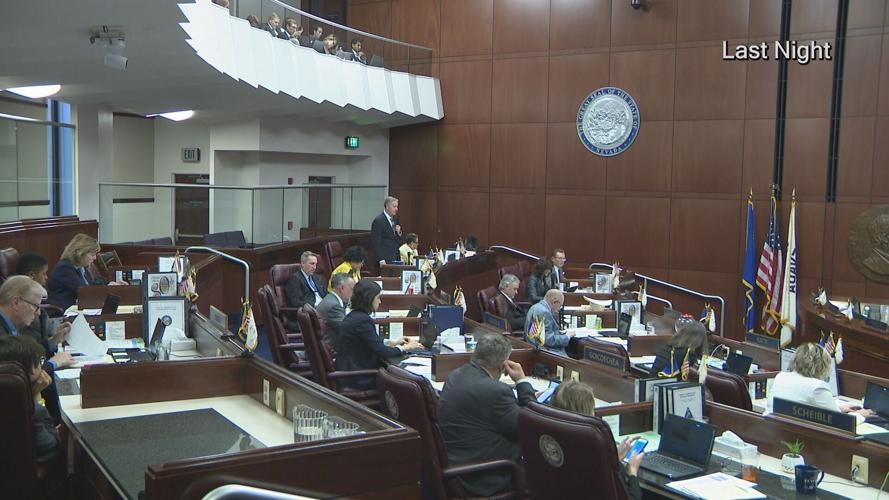
Senate Bill 543, which creates this new formula, also creates the Commission for School Funding. It will be composed of 11 people appointed by the governor and legislators, and they will examine the per pupil funding formula created by the Department of Education each biennium among other duties.
This overhaul also includes several forms of added per pupil funding.
Additional funding goes to smaller districts and smaller schools, and cost of living is incorporated as well.
Additional funding is given to districts for four types of students: at-risk students, gifted students, English language learners and students with disabilities.
"We need to acknowledge, through the funding formula, the differences of our students," Ebert says. She says our demographics are a lot different than they were in 1967.
"Sixty percent of our students are on free or reduced lunch," Ebert says. "We have a large student population that speaks another languages. Students with disabilities."
Republicans we spoke with on Monday are concerned that rural district will be hurt by the change.
"I oppose [SB543] for the simple fact of what is does to the rurals," Senate Minority Leader James Settelmeyer says. "What it does is it creates a freeze and squeeze, it says they can't grow anymore, and I don't think that's proper. I think there should have been some type of concept so that they can get a percentage of increases in their communities over time."
"It's helpful to the larger counties like Washoe County and Clark County," Assemblywoman Lisa Krasner says. "However, we're all working together as a body as a legislature for all the people in our state."
Ebert says during the transition year, district will not get less money then the year before. That means if a district gets $10 million dollars in funding in 2020, the last year the Nevada Plan is in place, the district will get $10 million dollars in 2021 the first year of the Pupil-Centered Funding Plan if the new formula gives them less.
Also, funding for a district cannot decrease unless the total amount of money in the State Education Fund decreases, and the bill states cuts will be "proportionate" to the decrease.
Governor Steve Sisolak says while the new funding formula will help Nevada education, there's still a long way to go to fix education in Nevada.
Washoe County School District Superintendent Traci Davis says in a statement, "We are profoundly grateful for the hard work and dedication of Governor Sisolak, our state representatives, Legislative Counsel Bureau fiscal staff, the Nevada Department of Education, and Finance Office staff members whose efforts have resulted in increased support and resources for our students and schools."