The ice core laboratory at the Desert Research Institute in Reno is known for its contribution to studying climate change. Not only is there a team of researchers working in Greenland and in Antarctica carving out ice cores, there is a team of scientists here in Reno analyzing those ice cores to get a look at previous climate change that they hope will lead to some insight into the future.
Studies on climate change reach back as far as 70,000 years.
Monica Arienzo's research is a little more recent.
"My background is in research into climate change back to about 30,000 years ago," she says. "You can read the elements in the different ice cores like the rings of a tree, You can see what elements were where. Because everything is there: carbon from forest fires, dust, the remnants of volcanic activity. We can tell where things happened and then study the wind and ocean currents and see what ended up where. And you can find it all in the ice cores that can reach down 300 meters."
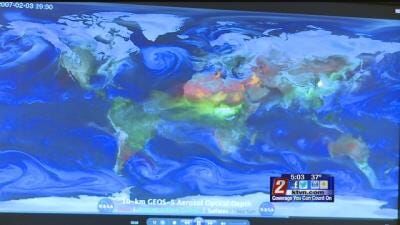
That research is helping build a foundation for predicting what's to come. They are studying what the earth was like before people and what humans have added to the cycles of climate change. Using data from the ice cores they can use computer models to see how the future could impact climate.
"We can say this is what it's like now. But what if a volcano erupted, or what if forest fires become more frequent and pour carbon into the atmosphere. We can manipulate that data to see where we're headed," Arienzo says.
Arienzo is a student as well as a researcher. She is doing post doc research in her field with the DRI. She says it's an amazing opportunity to work with world class researchers, learn and log her own research.
That data will help lay a foundation for world leaders discussing how to deal with climate change, make a plan for where we go from here.