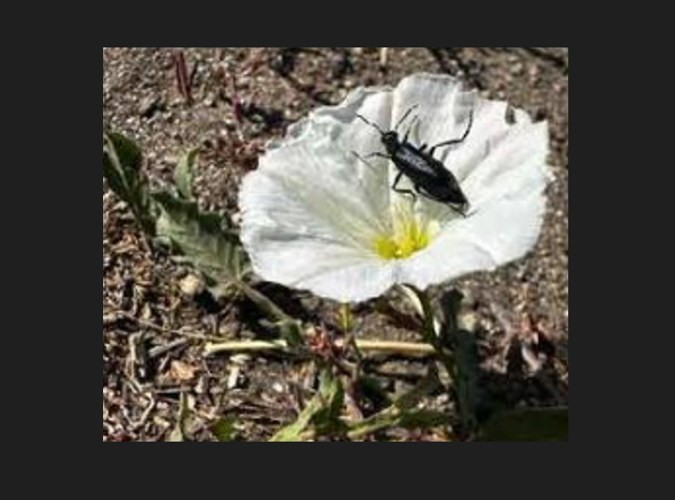





Several samples of bugs sent to The California Department of Food and Agriculture Plant Pest Diagnostics Center this past week were confirmed to be Meloidae, part of the blister beetle family.
In an online post, by the Sierra County Sheriff's Office on Monday, July 22 the samples were taken from Sierra Valley.
“The samples were collected on plants in Sierra Valley,” reports Willo Vieira, Plumas Sierra Agricultural Commissioner.
“We have heard reports of the blister beetle in Modoc County this year and sent the samples to CDFA laboratory for confirmation.”
The Sheriff's Office says that the black blister beetle found in the Sierra Valley is about half an inch long, narrow, and elongates and the covering over the wings is soft and flexible.

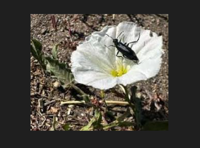
Other blister beetles can be gray in color or striped usually yellow or orange and black.
Authorities say that blister beetles are known to feed on grasshopper eggs or eggs of ground-nesting bees, in alfalfa fields, native hay meadows/pastures that have clover or other flowering plants and will feed on leaves if no blooms are present.
“The beetles are not typically problematic in California.
However, they are a concern due to the secretion of a toxin called cantharidin, that can cause blisters on the skin and be lethal to livestock,” states Tracy Schohr, UC Cooperative Extension Livestock and Natural Resources Advisor in Plumas, Sierra and Butte Counties.
“To reduce livestock mortality, you should check hay before feeding to livestock and to reduce incidence of blister beetles in hay by cutting before peak bloom.”
The Sheriff's Office says that blister beetle species can vary in the amount of cantharidin toxin they carry.
In some instances, 30 beetles may kill an adult horse, and with other species, over 1000 beetles are lethal, advising that being cautious is important in preventing any loss.
Authorities offer some ways to possibly prevent the spread of the beetles such as cutting fields early before they bloom, minimizing any flowering weed plants and checking fields for beetles before cutting any fields where blooms have already sprouted for beetles, if beetles are found cut around those areas and do not harvest.