

A program highlighted last year for reaching thousands of students across Nevada is now showing what that learning looks like up close.
As we reported in 2025, the Nevada Outdoor Education and Recreation Grant Program helped expand access to outdoor learning statewide, reaching more than 10,000 people and supporting dozens of programs. Now, one of those programs is offering a closer look at how that funding is working on the ground.
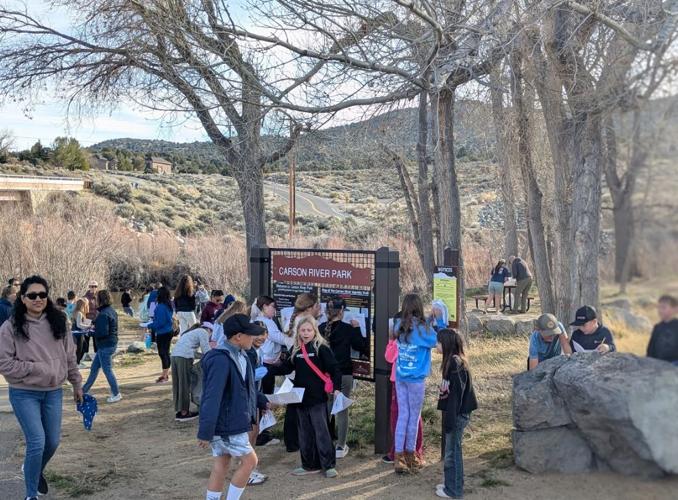
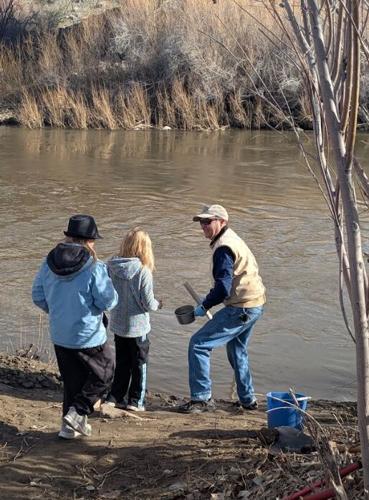
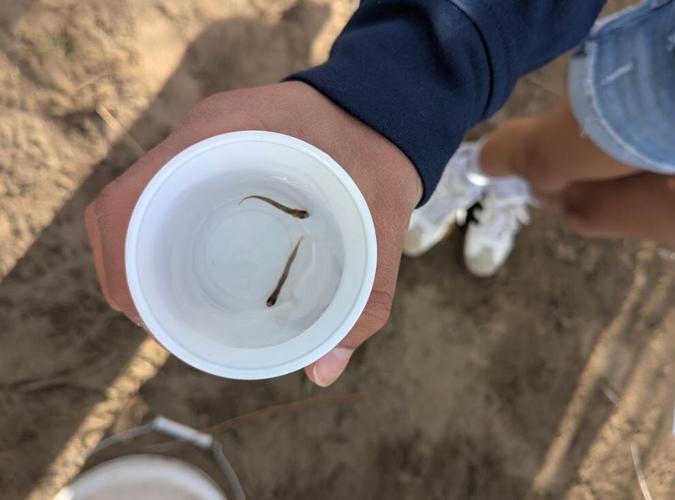
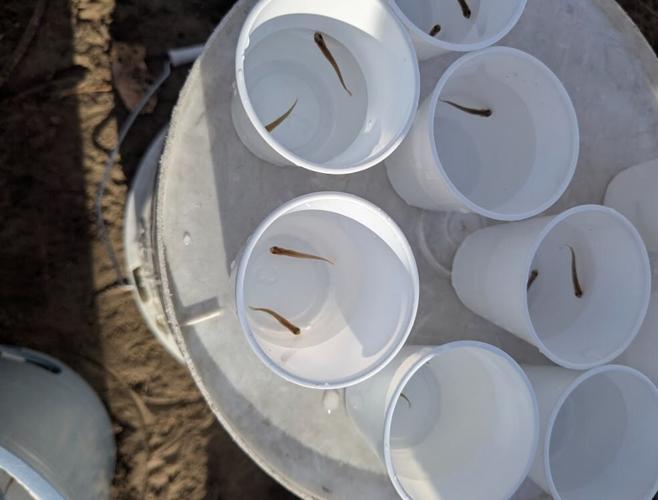
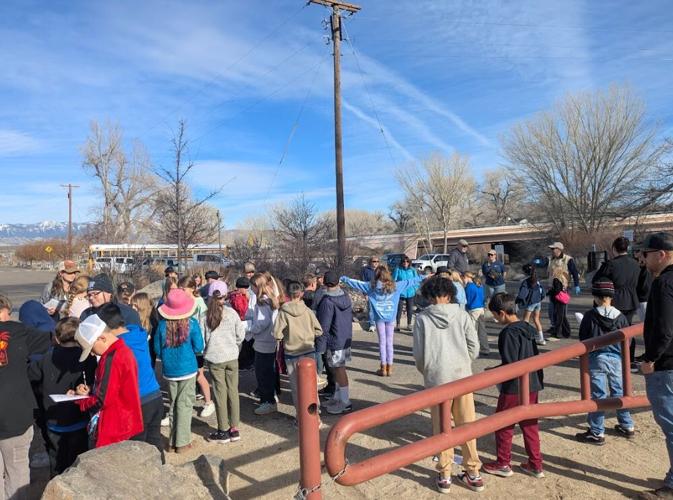
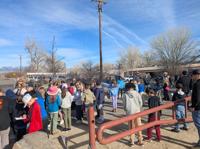
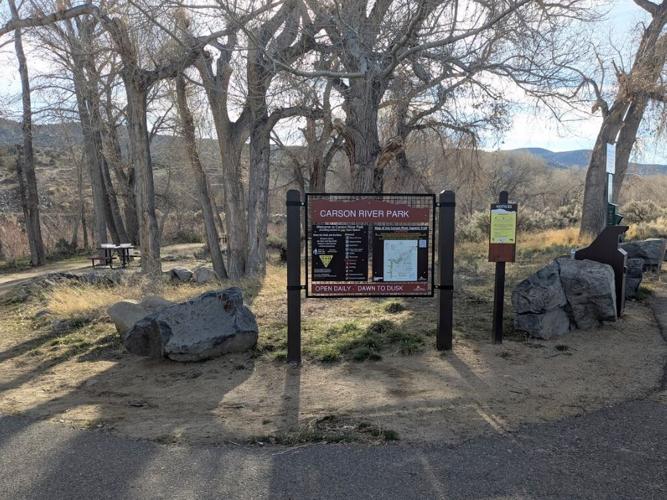
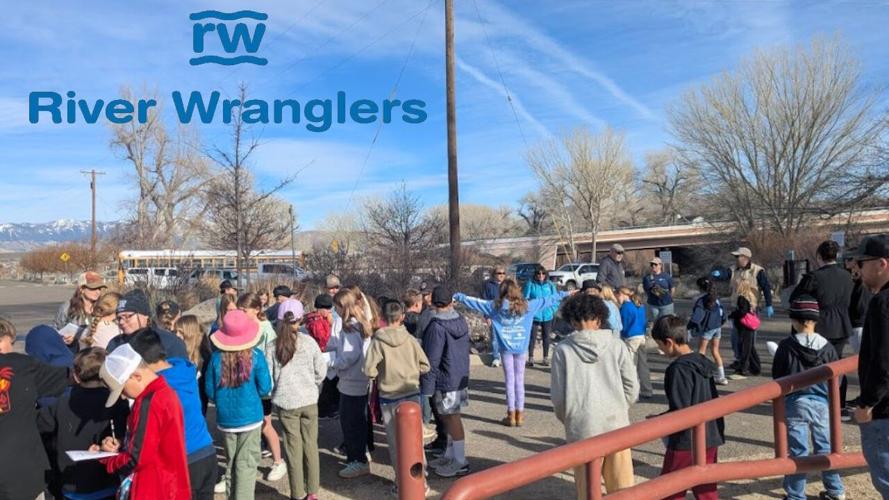
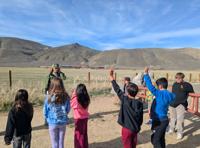
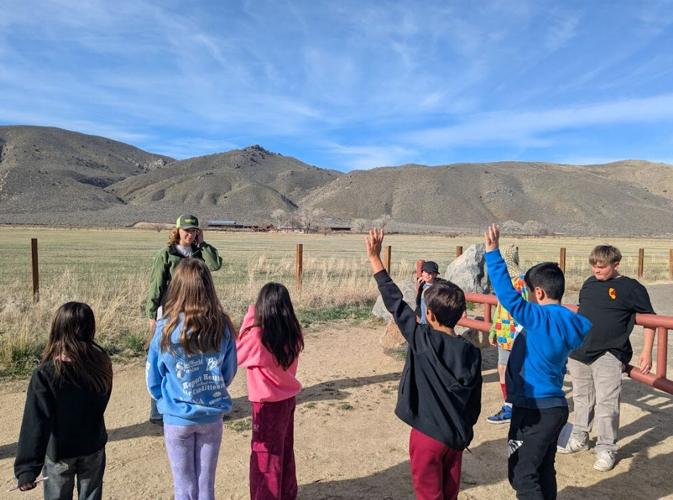
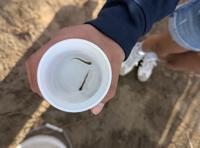
On a Friday morning in March, 40 fourth-grade students from Carson Montessori School stood along the Carson River, each holding a small cup with a trout they had raised in their classroom. One by one, they stepped forward and released them into the water.
“This one’s Nike, and this one is Adidas,” one student said, carefully pointing before letting them go.

The experience is part of a program run by River Wranglers, a Northern Nevada nonprofit that has spent more than 20 years connecting students to the Carson River watershed through hands-on learning.
For weeks leading up to the release, students studied the trout life cycle in class. At the river, that lesson shifted from something read in a book to something they could see and take part in.
“If you’ve ever been around children in a classroom setting, and then you get to be with those same students out at the river… More often than not, the most beautiful part of this job is seeing their face and body just come to life,” said Rebecca Feldermann, Executive Director of River Wranglers.
Programs like this are supported by the Nevada Outdoor Education and Recreation grant, which provides funding to organizations focused on getting students outside to learn by doing. Lawmakers approved continued funding through AB108, backed by the Nevada Conservation League and community partners.
River Wranglers now reaches more than 7,000 students each year across Carson City, Douglas, Lyon, Churchill, and Storey counties.
“It just was like the perfect storm of a job for me personally,” Rebecca said. “I love being outside, and I love working with kids.”
That reach was not always guaranteed.
When Feldermann stepped into her role, the organization relied heavily on a single funding source. After funding changes tied to the COVID-19 pandemic, there were concerns about whether the program could continue.
“I came to find out that it was a very real concern… that River Wranglers was going to have to close their doors,” Rebecca said.
Support from the grant program helped stabilize operations. River Wranglers received $25,000 in 2025 and $16,000 in 2026, allowing the group to expand beyond its core programs.
“When we had been awarded that [grant], the trout numbers started picking up,” Rebecca said. “We were like, ‘Okay, we have this funding, let’s do it. Let’s do all the classes. Let’s do every school that has a tank.”
That expansion included adding programs for younger students and increasing outreach to more schools, including those that may not otherwise have the resources to participate.
“NOER has really been a saving grace,” said Sydney Wirkus, River Wranglers’ education and outreach coordinator. “It has kept us afloat. It honestly feels like a weight off our chest. We can breathe, we can continue, we can keep planning things.”
Still, challenges remain.
Transportation is one of the biggest barriers. Some students live near open space but have limited opportunities to access it through school or at home.
“They'll often have barriers, in relation to just transportation in general… If they haven't been out to the river, it's because it's not within walking distance, and they don't have — either the parents are both working tons, or they don't have vehicles to get out there. Or their parents just plain don't have the time,” Rebecca said.
Funding can also determine how many schools the organization can serve and what materials it can provide. In some cases, River Wranglers has had to scale back, including reducing the number of maps students take home after lessons.
“It stinks not being able to give them that map,” Rebecca said. “I would probably put in an order for like 10,000 maps right off the bat.”
Despite those limits, the demand continues to grow.
In 2026, the Nevada Division of Outdoor Recreation received 55 applications requesting nearly $1.1 million in funding. Only 22 projects were funded, totaling $283,000.
That gap means programs like River Wranglers, along with others across the state, may have to limit how many students they can reach.
Back along the Carson River, the impact of those decisions plays out in real time.
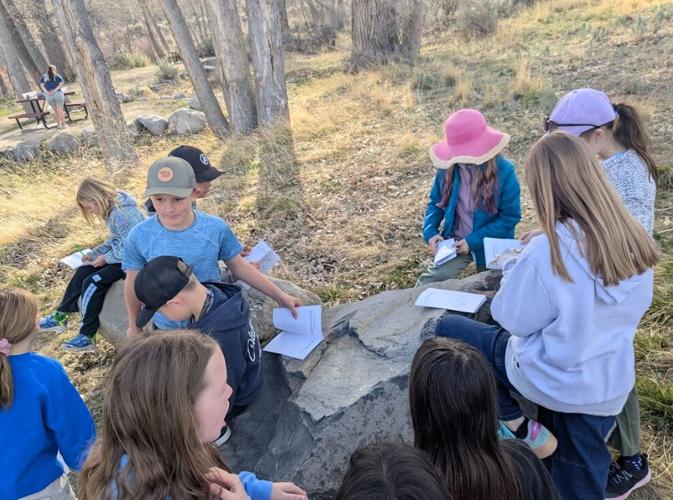
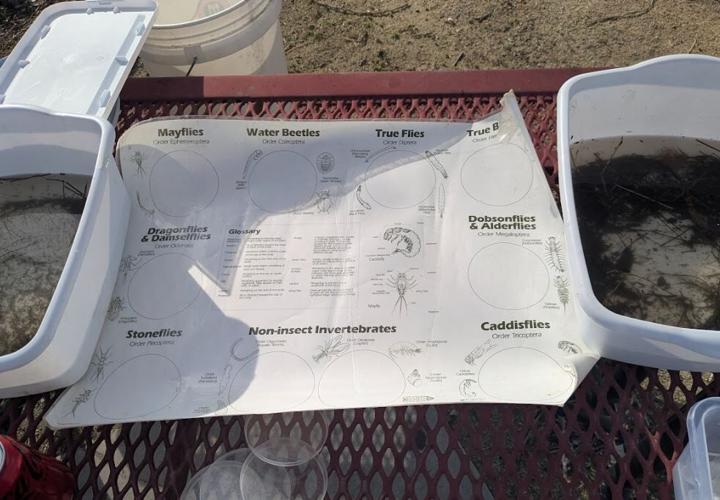
As students moved through learning stations, testing water quality, and exploring habitats, they connected classroom lessons to the river in front of them.
One student called out, “Goodbye, Alvin and Theodore!” as their fish disappeared into the current.
Moments like that are what the program is designed to create, hands-on, in real places, with lessons that extend beyond the classroom.
Lawmakers are expected to revisit funding for the program in 2027, which could determine how many more students get that same opportunity.