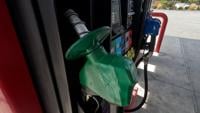
Governor Joe Lombardo has announced plans to propose a resolution before the Nevada Commission on Homeland Security that would establish a Fuel Resiliency Subcommittee, focused on strengthening Nevada’s fuel supply chain and reducing vulnerabilities to disruptions.
According to the Governor's Office, Nevada currently depends entirely on imported transportation fuels, primarily from California.
With several California refineries scheduled to close in 2025 and 2026, the state faces potential fuel shortages and price increases that could affect consumers and businesses across the region.
If approved, the new Subcommittee would assess Nevada’s supply vulnerabilities, improve coordination with private partners, and ensure the state can withstand disruptions such as refinery outages or pipeline failures. It would also emphasize that energy reliability is a key component of homeland security.
“Energy security is national security, and that includes ensuring Nevadans have reliable access to the fuel that keeps our economy and communities running,” said Governor Joe Lombardo. “This Subcommittee will bring together state, industry, and federal partners to develop long-term strategies that strengthen our infrastructure, diversify supply routes, and protect Nevada’s future.”
According to the Governor’s Office, the Fuel Resiliency Subcommittee will:
- Conduct comprehensive assessments of Nevada’s current and projected fuel needs and vulnerabilities.
- Explore options to expand infrastructure, storage, and transportation capacity.
- Recommend policies, investments, and partnerships to enhance resilience and emergency response capabilities.
- Coordinate with federal and regional partners, including the Federal Permitting Improvement Steering Council, the Department of Energy, and the Department of Transportation, to accelerate permitting and address regulatory barriers to critical infrastructure projects.
The Subcommittee’s findings and recommendations will be delivered to the Governor and the Nevada Commission on Homeland Security in 2026.
The resolution will be introduced and voted on during an upcoming meeting of the Commission.