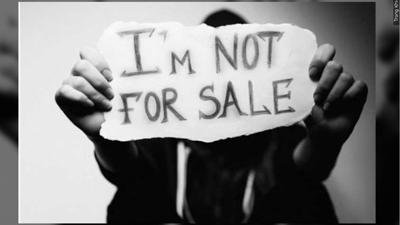

January is National Human Trafficking Prevention Month, a time set aside each year to raise awareness about a crime that reaches into communities across the country, including here at home.
The observance has been recognized every year since 2010, when a presidential proclamation dedicated the month to educating the public on how to identify and help prevent human trafficking.
The U.S. Department of State, Office to Monitor and Combat Trafficking in Persons, continues to raise awareness domestically and abroad through U.S. embassies and consulates, while encouraging people to learn the signs and share that knowledge in their daily lives.
The month traces its roots to the Trafficking Victims Protection Act of 2000, which established the United States’ commitment to combat human trafficking both nationally and internationally.
In 2010, President Obama formally declared January National Slavery and Human Trafficking Prevention Month, a practice that has continued under every president since.
Those annual proclamations have highlighted key moments, including stronger protections against trafficking in federal contracts in 2012, the first convening of the U.S. Advisory Council on Human Trafficking in 2016, and the launch of the Program to End Modern Slavery in 2017.
Human trafficking includes forced labor and sex trafficking and affects adults and children worldwide. An estimated 27.6 million people are subjected to trafficking globally, including in the United States.
According to the State Department, traffickers often exploit instability caused by disasters, conflict, or public health crises, adapting their tactics during times such as the COVID-19 pandemic.
Globally, many countries now follow a framework focused on preventing trafficking, protecting victims, and prosecuting traffickers.
There are 178 parties to the United Nations protocol designed to address trafficking, with most countries assessed in the State Department’s 2024 Trafficking in Persons Report meeting international standards.
Here locally, law enforcement has also used January to highlight ongoing efforts. In a social media post, the Reno Police Department noted that detectives with its regional Human Exploitation and Trafficking team work around the clock to investigate trafficking cases, address attempts to solicit sex from children and adults, and connect victims with resources.
The Reno Police Department encouraged people who may be at risk, or who know someone who is, to contact its HEAT detectives by email.
The U.S. Department of State, Office to Monitor and Combat Trafficking in Persons, also points people to several educational resources during January, including information on understanding human trafficking, ways individuals can help prevent it, an overview of the federal government’s response, and national hotlines for reporting concerns.
The department also publishes an annual report through the U.S. Advisory Council on Human Trafficking that outlines trends, challenges, and policy efforts.
Federal officials emphasize that each January proclamation ends with a call to action, reminding people that awareness and education remain critical tools in preventing human trafficking, especially in states like Nevada, where major roadways and an interstate run through communities.
(The Reno Police Department, Washoe County Sheriff's Office and The U.S. Department of State's Office contributed to this story.)