







Redwood Materials is getting a $2 billion conditional loan from the Department of Energy.
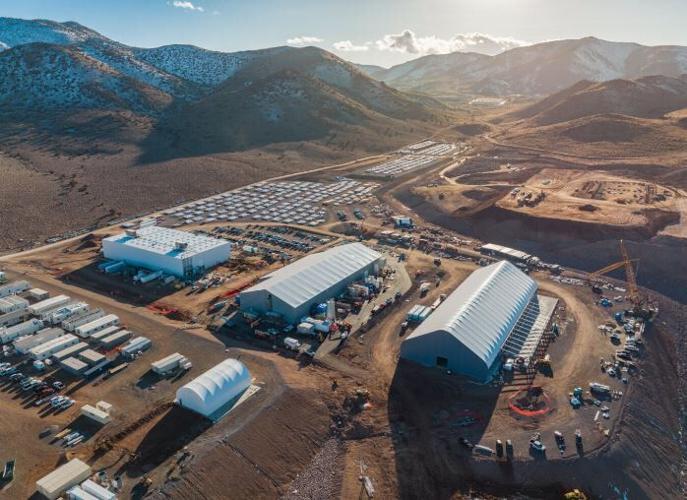
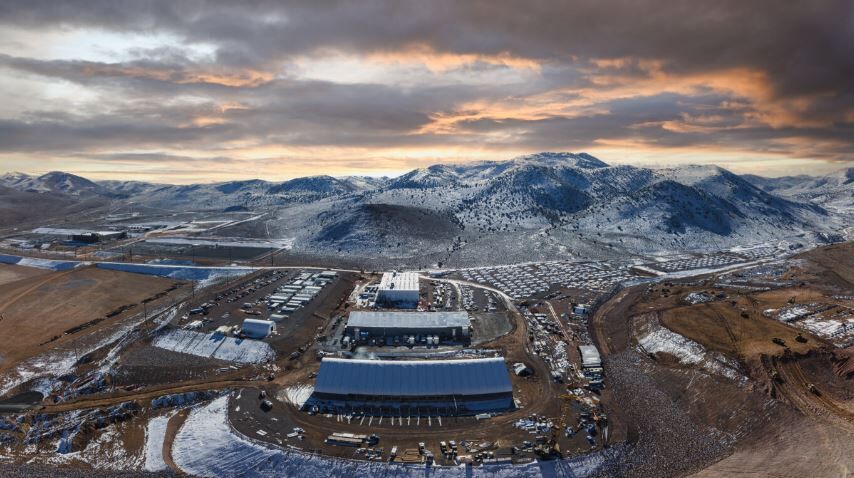
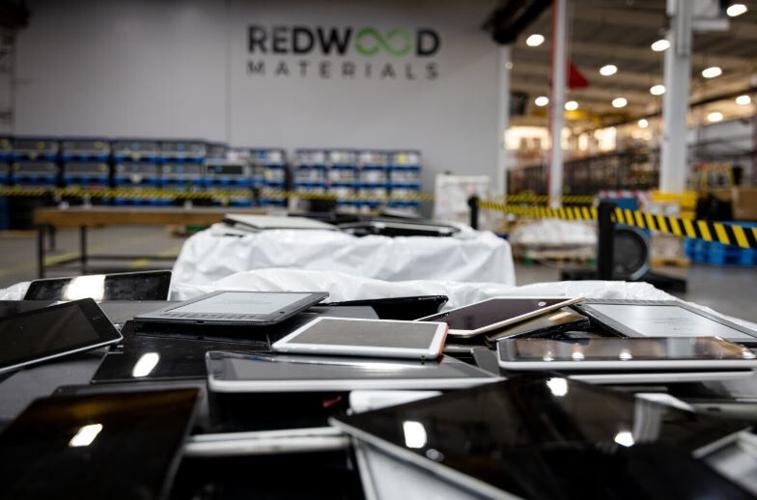
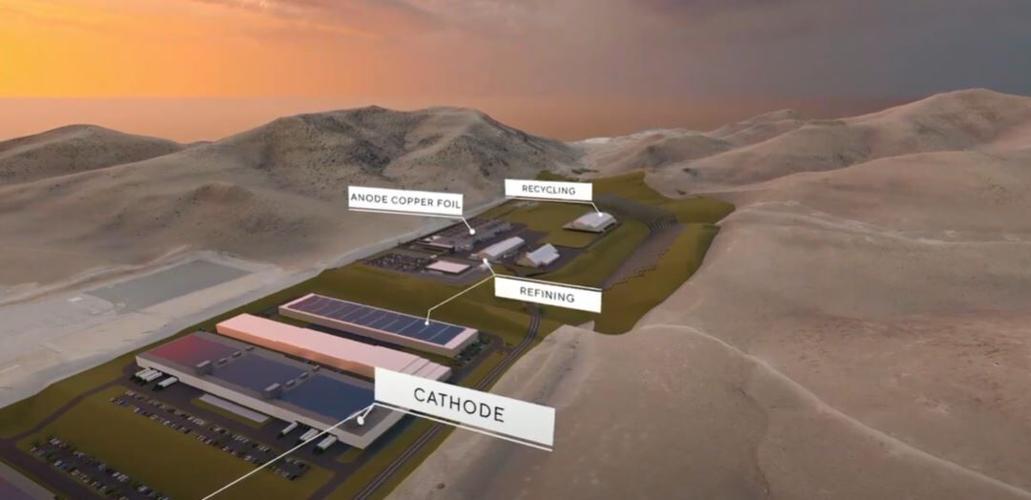
The DOE loan is targeted for construction and expansion of a battery materials campus in McCarran that will support the growing electric vehicle market in the U.S. Once fully operational, the project would be the first domestic facility to support production of anode copper foil and cathode active materials a lithium-ion battery manufacturing process. The process would recycle end-of-life battery and production scrap and remanufacture that into critical materials, the Energy Department said in a blog post.
The conditional loan will also support phased construction and expand its battery materials campus.
Ultimately, Redwood will "produce 100 GWh annually of ultra-thin battery-grade copper foil and cathode active materials from both new and recycled feedstocks at gigafactory scale in the United States for the first time."
That's enough battery materials to domestically produce more than a million electric vehicles a year.
Redwood recently announced plans to build a new $3.5 billion battery manufacturing and recycling factory in South Carolina. The Carson City, Nevada-based company plans to pull out key components of batteries such as nickel, cobalt, lithium and copper, and reuse them to make electrodes for electric vehicles.
Redwood Materials was founded in 2017 by Jeffrey “JB” Straubel, Tesla's former chief technology officer. It now has more than 300 employees who recycle used batteries and has supply contracts with Ford and Panasonic, which makes batteries for Tesla.
Straubel, Redwood’s CEO, told The Associated Press last year that recycling battery materials will help the U.S. establish its own electric-vehicle supply chain.
“Redwood fills a critical gap in that whole piece, and our goal is to close the loop on all the materials that we’ve already mined and produced into products, keep them in the regions where they were bought and are being used,'' Straubel told the AP. "Every battery that we can recycle is one battery worth of materials that we don’t need to mine again. So we’re aiming to both fill a raw-material gap from the recycling and also fill a supply-chain gap.''
The Energy Department said the project will help meet President Joe Biden's goal to promote domestic critical materials recycling and manufacturing. "Domestic production of these battery components is paramount to our national security, building our supply chain, and strengthening our economy long-term,'' the department said in a statement.
Using recycled materials will help improve U.S. energy security and enable the growth of reliable, large-scale U.S.-based EV battery cell production, the department said.
The Energy Department said its conditional commitment demonstrates the department’s intent to finance the project, but several steps remain for the project to reach critical milestones and certain conditions must be satisfied before officials approve a final loan.
(The Associated Press, Redwood Materials contributed to this report.)