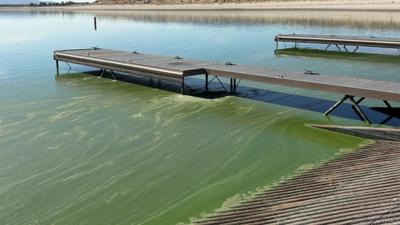
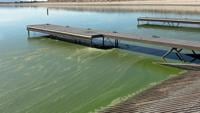
The Nevada Division of State Parks is prohibiting swimming for both people and pets at the Silver Springs side of Lahontan Reservoir because of elevated toxin levels linked to a harmful algal bloom.
The Lahontan State Recreation Area remains open for camping, boating and other recreational activities.
Officials say harmful algal blooms can produce cyanotoxins that may cause skin and eye irritation, nausea, vomiting, diarrhea and other health effects if contaminated water is swallowed or comes into contact with the skin. The toxins can be especially dangerous for pets.
“We want everyone who visits Lahontan to have a safe experience, and we are concerned for their wellbeing,” said Jonathan Brunjes, administrator of the Nevada Division of State Parks. “We ask visitors to follow all posted restrictions and take precautions around the water until conditions improve.”
Recent testing by the Nevada Division of Environmental Protection found toxin concentrations of about 25,000 micrograms per liter (µg/L) on the Silver Springs side of the reservoir. Officials say that is the highest concentration recorded in Nevada to date.
NDEP will continue testing and monitoring conditions at Lahontan Reservoir. The swimming restrictions will remain in place until testing shows toxin levels have decreased.
The Fallon side of the reservoir remains under a Danger Advisory. Visitors should watch for signs of a harmful algal bloom and avoid water that is discolored.
Fishing is also not recommended in areas where an algal bloom is present.
“If you choose to fish, thoroughly wash any fish before cleaning or processing it and avoid contact with visibly affected water,” said Nevada Department of Wildlife Sportfish Coordinator Kevin Netcher. “Consumption of fish from Lahontan is discouraged altogether because of elevated mercury levels.”
For current advisories and more information about harmful algal blooms, visit the Nevada Division of Environmental Protection.