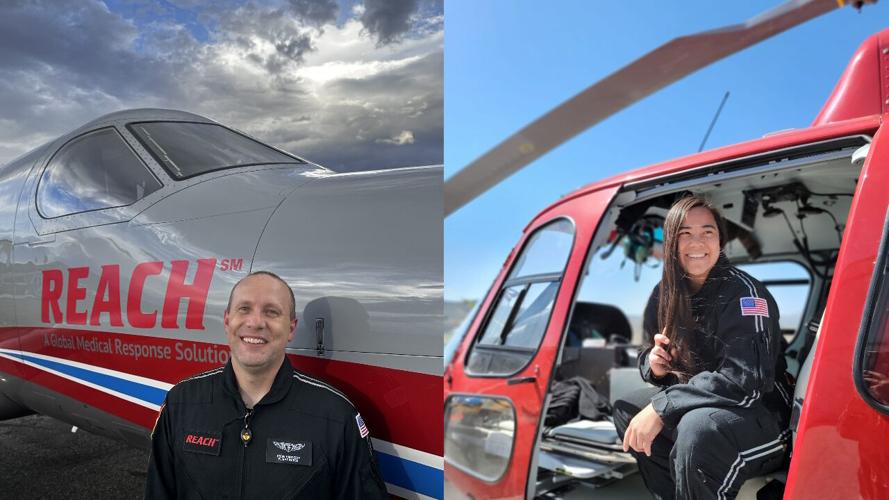



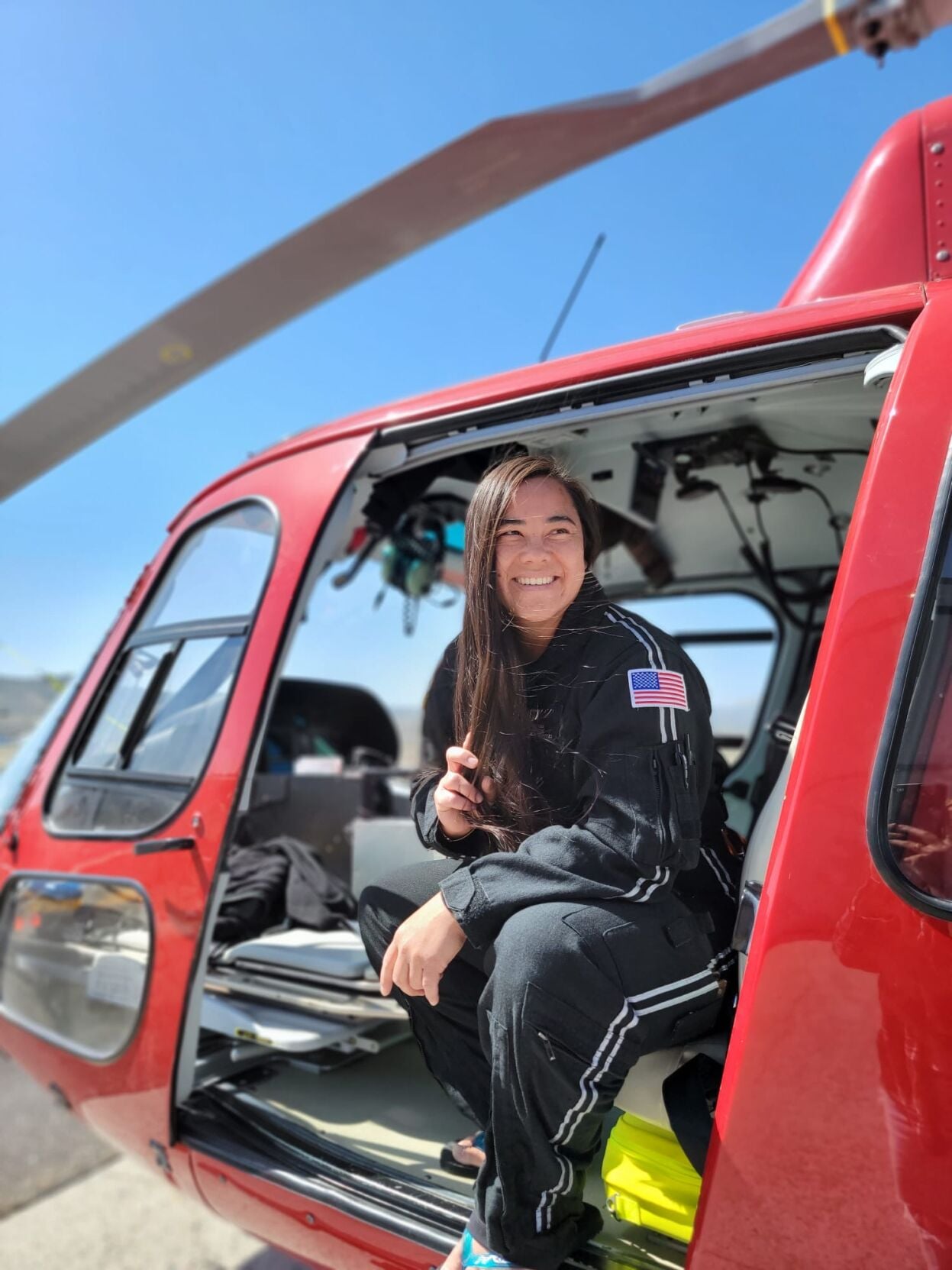
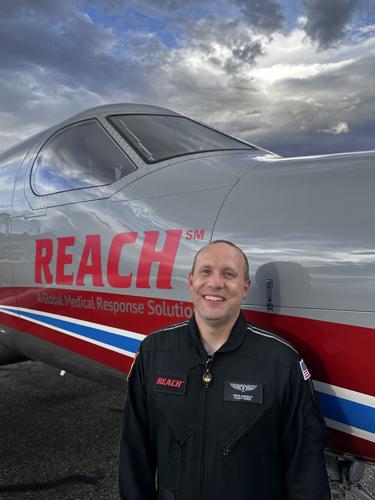
There’s no room for hesitation when a baby decides it’s time to be born, especially when you’re thousands of feet in the air, inside a cramped medical aircraft. That’s the situation two flight medical professionals faced when a transport for a woman in premature labor suddenly became a delivery, putting their preparation and trust in each other to the test.
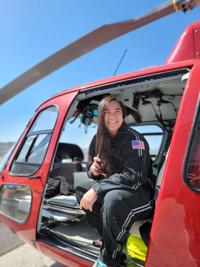
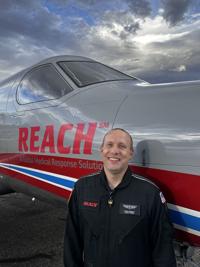
According to REACH Global Medical Response, Brianna Nielson was being flown for medical care when she told REACH flight nurse Steve Hardesty and paramedic Misae Nomiyama that her baby was coming. The aircraft was still climbing, and the crew had little time or space to prepare.
Fortunately, Hardesty and Nomiyama had already discussed how they would handle possible complications before takeoff. Hardesty would lead the delivery and care for Nielson, while Nomiyama would focus on the newborn.
As the delivery became imminent, Hardesty moved equipment and rearranged the limited cabin space to make room. Within minutes, Nielson gave birth to baby Lacy, who was placed in Nomiyama’s care for warming and essential newborn support.
Both mother and baby were healthy and safe after the transport. The delivery was a first for the pair, who had worked together at the same hospital before moving into emergency medical services and have flown together for the past three years.
“Misae and I both have five years of air emergency medical services (EMS) experience, and this was certainly an extraordinary case for us,” said Hardesty. “There are so many levels of care required and moving parts, both literally and metaphorically. Situations like this show how trust and communication with your flight team are critical.”
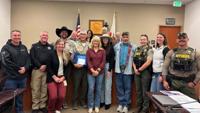
On Friday, Oct. 23, Nielson and Lacy are scheduled to reunite with the Guardian Flight crew at its Elko base for the first time since the delivery.
The reunion comes as Hardesty and Nomiyama receive another recognition for their work: both have been named 2026 Stars of Life honorees, an award from the American Ambulance Association recognizing EMS professionals for their dedication to patients, colleagues and communities.
Hardesty has worked to improve patient care in rural communities, collaborating with health care leaders and critical access hospitals on clinical protocols and transitions of care. Nomiyama has pursued advanced training and specialized licensure that allow her to care for patients in Nevada and Alaska.
Their experience in the air showed just how much preparation matters when a medical call takes an unexpected turn, and how much trust in a teammate can mean when there’s no time to waste.