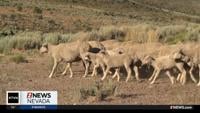

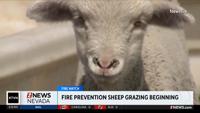

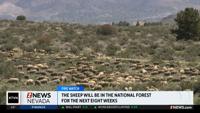

Beginning April 28, hundreds of sheep will be grazing in the Arrowhawk Fuels Reduction Project area, located just west of the Arrowcreek community in Reno.
The effort is part of the U.S. Department of Agriculture, Forest Service’s proactive fire mitigation program.
Targeted grazing with sheep is used to control invasive weeds in areas that are difficult for people or machinery to reach.
The sheep's thorough grazing helps reduce the spread of weeds and supports the recovery of native plants, contributing to landscape restoration.
Approximately 900 sheep will be monitored by herders from the Borda Land and Sheep Company, based in Gardnerville, Nevada.
Grazing operations will take place within the Thomas Creek and Whites Creek watersheds, north of Timberline Road.
“Cheatgrass is an aggressive, non-native species outcompeting native vegetation,” said Forest Service Fuels Specialist Jed Rudelbach. “Sheep have been used to reduce fuels in this area since 2013, and around 1,500 acres are treated annually.”
Cheatgrass and other invasive weeds contribute to wildfire hazards by creating fuel beds that can increase fire spread and threaten nearby communities.
“Targeted grazing can reduce the risk of wildfire by removing undesirable vegetation and creating fuel breaks to slow the spread of these fires, making it easier and safer for firefighters to fight them,” Rudelbach said.
The Arrowhawk Fuels Reduction Project area is also a popular location for hikers and dog walkers.
Due to an increase in incidents involving sheep and off-leash dogs, the Forest Service reminds visitors that Washoe County animal ordinances and Forest Order 04-17-11-06 require dogs to be leashed in this area.
The continued success of the grazing program depends on ensuring the safety of both sheep and dogs.