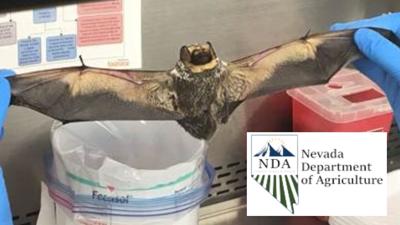


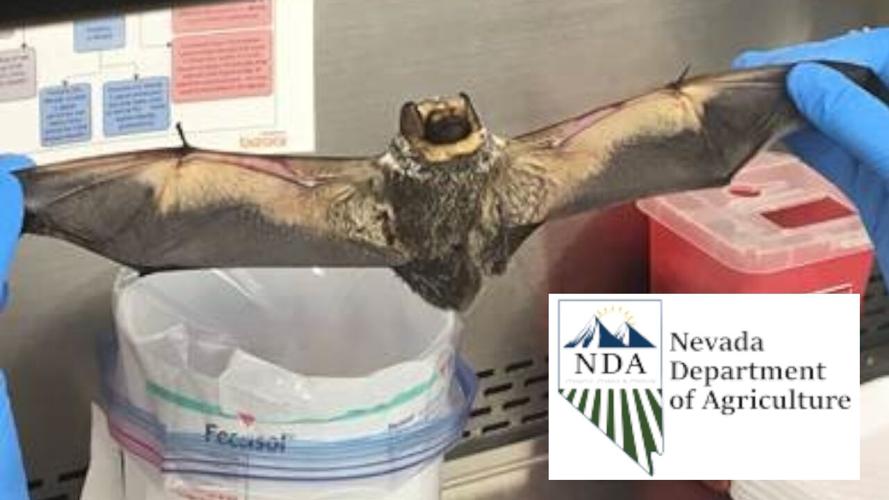
The Nevada Department of Agriculture Animal Disease Laboratory has confirmed two cases of rabies in bats within the state since the beginning of the year.
The positive detections involved Big Brown bats found in Carson City and Washoe County.
Bats are native to Nevada, and their activity typically increases between May and October.
On average, the Animal Disease Laboratory confirms 10 to 20 cases of bat rabies each year.
While other wildlife species can also carry rabies, bats remain the primary source of transmission to humans and domestic animals.
“Maintaining up-to-date rabies vaccinations for pets is extremely important this time of year,” said NDA State Veterinarian Peter Rolfe DVM. “Vaccinating dogs and cats not only safeguards the health of these animals but also provides a vital layer of protection for their owners. Unvaccinated animals exposed to rabies face mandatory euthanasia, highlighting the necessity of consistent vaccination.”
Nevada law requires current rabies vaccinations for dogs, cats, and ferrets.
Vaccines are also available for some types of livestock. Pet and livestock owners are encouraged to work with their veterinarians to set and maintain proper vaccination schedules.
Bats are capable of entering and exiting homes without detection.
Any bat, whether dead or alive, that may have come into contact with people or domestic animals should be reported immediately.
Authorities advise contacting local animal control before attempting to handle a bat.
“If you or your animals have had contact with any bats, contact your local healthcare professional or veterinary provider immediately,” Dr. Rolfe said.
More information on rabies and appropriate response steps is available on the Centers for Disease Control and Prevention website at cdc.gov/rabies or through Northern Nevada Public Health.