Extreme Weather-Isaias

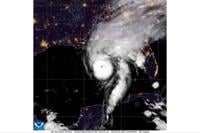
This satellite image from the National Oceanic and Atmospheric Administration shows Hurricane Isaias in the Gulf of Mexico, Friday, Oct. 9, 2026.
As featured on


Isaias has strengthened into a powerful Category 3 hurricane as it surges toward the U.S. Gulf Coast. The National Hurricane Center says Isaias’ maximum sustained winds have increased to 120 mph. That classifies it as a major hurricane. The first hurricane of the Atlantic season is expected to make landfall near the Alabama-Florida state line Friday night. It threatens to bring strong winds, heavy rains and potentially life-threatening storm surges to the Florida Panhandle, southern Alabama and southern Mississippi. Heavy rain and flooding are possible into the weekend as far north as Tennessee and North Carolina.

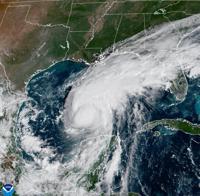
A supersized El Niño’s decapitating winds and the Gulf of Mexico’s hot storm-fueling waters are battling for the core and future of land-approaching Hurricane Isaias and the storm’s tilt and eye show who’s winning. After an Atlantic hurricane season when El Niño dominated, smothering any wisp of a storm from strengthening, a window of moderation opened and Isaias became the latest first Atlantic hurricane to form since 1914. But the good news for residents of Alabama and Florida’s panhandle is that El Niño storm-decapitating tilt-inducing winds are forecast to return before landfall Friday night or Saturday morning and weaken Isaias a bit.
Isaias has strengthened into a major hurricane as it heads toward the U.S. Gulf Coast. Final preparations are underway for potentially life-threatening storm surges and high winds. Meanwhile, Hurricane Simon is moving toward Mexico’s Pacific coast and has strengthened into a Category 2 storm. U.S. forecasters have issued a hurricane warning for parts of the central and southwest coast, expecting hurricane-force winds within 36 hours. Tropical storm activity has been above average this season in the Pacific due to a strong El Niño. In the Atlantic, El Niño’s winds and the Gulf of Mexico’s warm waters are affecting Isaias's strength.