







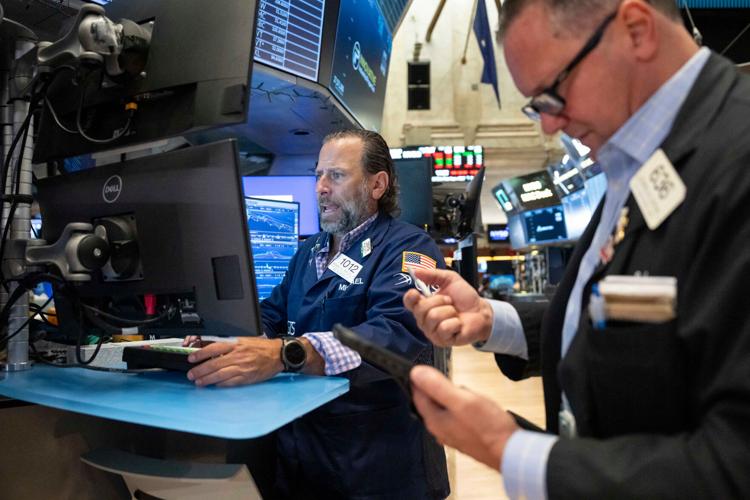
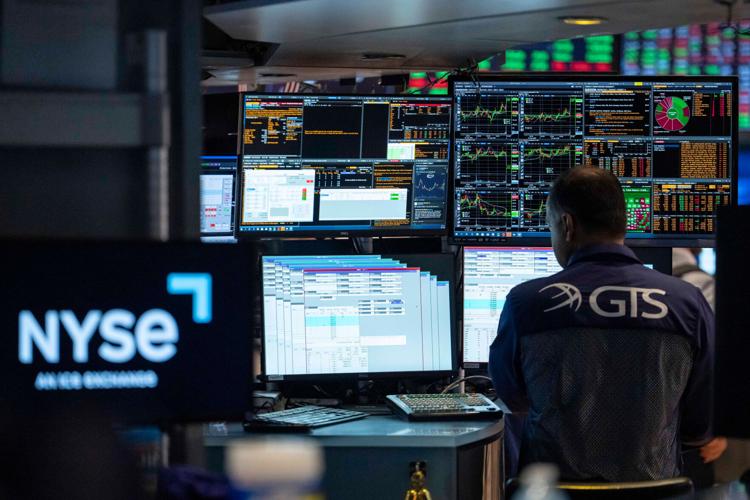
NEW YORK (AP) — U.S. stocks are drifting lower Tuesday in their return to trading following a three-day weekend, as rising oil prices raise the pressure following the latest fighting in the war with Iran.
The S&P 500 dipped 0.2%. The Dow Jones Industrial Average was down 477 points, or 0.9%, as of 9:35 a.m. Eastern time, and the Nasdaq composite was 0.1% lower.
In the oil market, the price for a barrel of Brent crude rose 0.9% to $97.85 after briefly climbing as high as $99.46. It’s jumped from roughly $72 over the last two months as increased fighting in the Middle East erodes hopes for a deal to reopen the Strait of Hormuz to oil tankers and get the global flow of crude going again.
More expensive oil has worsened worries about the high inflation weighing on people and companies across the country, which gives extra heft to a couple reports coming later this week. On Thursday, the U.S. government will release its August report for inflation at the wholesale level, which economists expect will show an acceleration to 5.4% from 4.7% in July.
The more closely watched report on inflation that U.S. consumers are feeling will arrive on Friday. That update will show how much people are paying for groceries, clothes and other costs of living, and economists expect it eased a bit to 3.3% from July’s 3.4% inflation rate.
They will be the last updates on inflation before the Federal Reserve meets next week to decide whether to cut, raise or hold interest rates. The traditional move for the Fed when inflation is high is to raise its main interest rate. That in turn would filter out into the rest of the bond market, make it more expensive for companies and people to borrow, slow the overall economy, undercut prices for investments and hopefully rein in inflation.
But President Donald Trump has been lobbying for lower interest rates instead, which could give the economy — and inflation — an extra kick. The Fed’s new chairman, Kevin Warsh, has meanwhile said he would like to give financial markets fewer clues about what the Fed is planning to do with interest rates in the short term.
That all has traders betting on a 58% probability the Fed will raise its federal funds rate after its next meeting finishes on Sept. 16, according to data from CME Group.
In the bond market, the yield on the 10-year Treasury remained at 4.78%, where it was late Friday, and is near its highest level since the autumn of 2023.
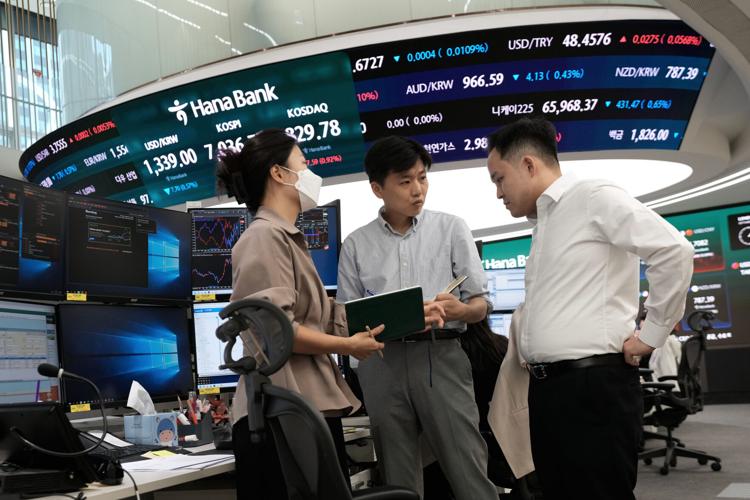
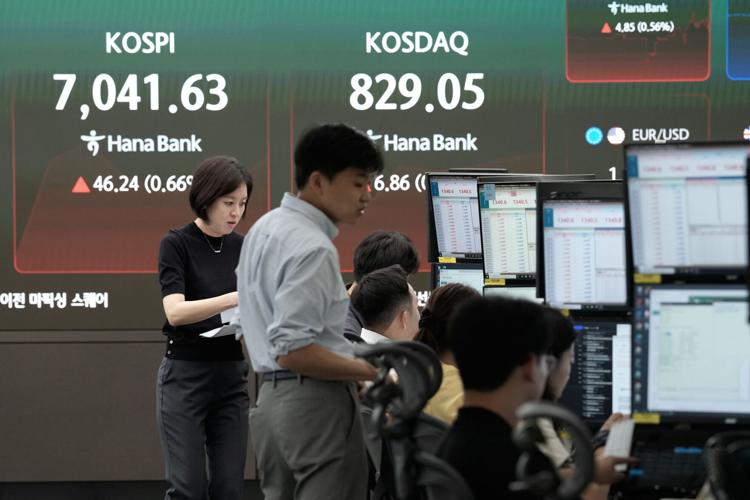
In stock markets abroad, Japan’s Nikkei 225 sank 1.7% under the weight of losses for major exporters, which were hurt by more rises for the value of the Japanese yen against the U.S. dollar.
A stronger yen erodes the value of sales made in U.S. dollars when Toyota Motor, Panasonic Holdings and other Japanese exporters have to translate them back into yen.
The Bank of Japan is also scheduled to meet next week on interest rates, and speculation is rising that it could raise rates further.
In China, indexes fell 0.4% in Hong Kong and rose 0.2% in Shanghai after the world’s second-largest economy said its exports jumped 25% year-on-year in August, driven by strong demand for autos and high tech items.
AP Business Writers Matt Ott, Elaine Kurtenbach, Chan Ho-him and Yuri Kageyama contributed to this report.