

As the Nevada GOP's First in the West Caucus draws closer, it's important to know the essentials. This is the contest that actually matters for Republicans because it awards delegates, unlike the primary. To participate, voters must be registered Republicans and they cannot vote early or by mail. All voting will take place in person on a paper ballot at one of the more than 1,500 precincts across the state.
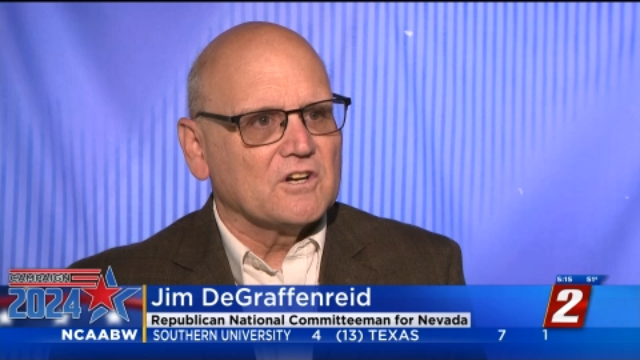
"Every Republican in the state will be notified of where their caucus location will be," said Republican National Committeeman for Nevada Jim DeGraffenreid.
On the day of the caucus, voters will have a two-hour time window from 5 p.m. to 7 p.m. to cast their paper ballot. During those two hours, voters are encouraged to attend their precinct meeting. At the precinct meeting, members will discuss various matters, including who's going to be representing their precinct at the county level.
A delegate is a person elected to represent the results of the caucus. The delegate selection process is a series of elections from county level to state to national.
"At your precinct meeting, if you wish to be a national delegate in Milwaukee, you'll go to your precinct meeting, get elected at your precinct meeting to represent your precinct at the county convention. At the county election get elected to the state convention, and then you can self nominate to be a national delegate in Milwaukee," said DeGraffenreid.
Nevada brings 26 delegates to the Republican National Convention, and these delegates will be awarded proportionately based on the outcome of the February 8 caucus.
"If Trump has 50% of the vote, than that's 13 delegates, that's the easy math. If DeSantis has 30% that's about 8 delegates roughly speaking," said DeGraffenreid.
The Nevada GOP is not discouraging voters from making their voice heard in both the primary and caucus even though only the caucus awards delegates.