


Today, Nevada State Treasurer Zach Conine announced the Nevada Student Loan Ombudsman within the Treasurer’s Office is taking steps to assist borrowers in navigating the end of the pause in student payments.
After a 3-year pause on student loan payments in response to the COVID-19 pandemic, interest on federal student loans will resume on September 1, 2023, and payments will be due beginning again in October.
According to the U.S. Department of Education’s Office of Federal Student Aid, borrowers will be notified in advance of payments restarting.
Borrowers should keep in mind that the exact due date for resumed payments will depend on their individual loan servicer.
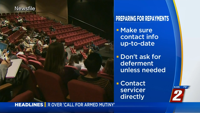
If you are a federal student loan borrower, here are a few things you should do to prepare to re-enter repayment:
1. If you moved or changed addresses since the student loan pause began, please make sure that your individual loan servicer has your most up-to-date contact information on file, so that you will be notified of deadlines and due dates.
2. Please log on to your account or contact your loan servicer directly to confirm your monthly payment and the due date. If the return to student loan payments will result in financial hardship, then you should reach out to your individual loan servicer and ask about repayment plan options.
3. Do not ask for more delays on repayment unless you absolutely need them. Asking for a deferment or forbearance allows borrowers to temporarily stop making loan payments if they meet certain criteria; however, interest may still accrue during these periods and are added to your principal balance, thereby increasing the overall debt and monthly payment. Therefore, these options should only be considered as temporary relief and only if absolutely necessary.
4. Understand the consequences that you may face if you don’t repay your federal student loans. For example, loan servicers report delinquencies of 90 days or more to the three major national credit bureaus. After 270 days, a delinquent loan goes into default which can have negative consequences including: impacting your credit score, reducing your access to financing in the future, and can even result in the government taking your tax refund, part of your Social Security benefits, or garnishing up to 15% of your paycheck.
If borrowers have questions about their student loan payments, Nevada’s Student Loan Ombudsman can assist them in understanding their options.
The Student Loan Ombudsman can be reached by emailing SLO@nevadatreasurer.gov or by visiting NVigate.gov.