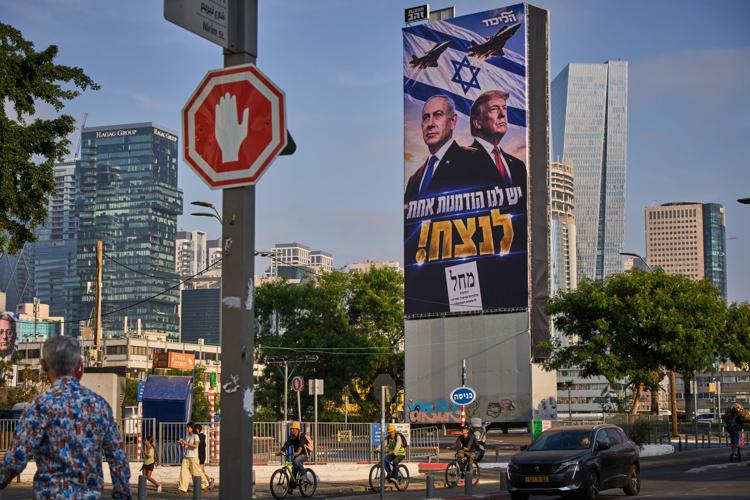














Israelis were voting Tuesday in a tense national election widely seen as a referendum on Prime Minister Benjamin Netanyahu's leadership since the Hamas-led Oct. 7, 2023, attack on Israel and the wars that have since shaken the Middle East.
Israelis vote for parties, which then form alliances to create a majority coalition. No single party has ever won a 61-seat majority in the 120-member parliament, or Knesset.
Opinion polls suggest a tight race, with no clear winner expected, setting the stage for weeks or even months of negotiations among around a dozen parties expected to win seats in the Knesset.
Here is the latest:
Emotions are running high as Israelis vote
“This is critical. And it’s never been as critical,” said Noga Mizrahi, a voter in Jerusalem, speaking of the elections. She said she had come from kibbutz Nirim, which was attacked on Oct. 7.
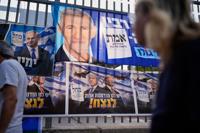
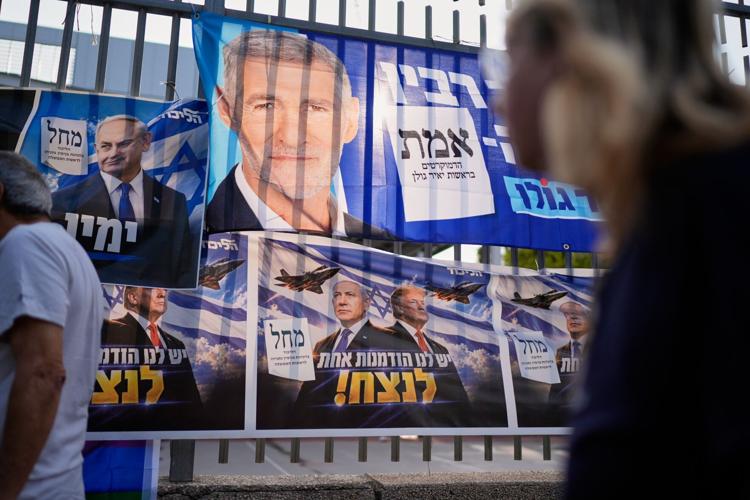
In Kiryat Shmona, a Netanyahu stronghold near the border with Lebanon, a man kicked and tore down a poster of the prime minister's leading rival, former military chief Gadi Eisenkot.
In Tel Aviv, some families of those killed in the Hamas-led 2023 attack and families of former hostages held a moment of silence.
“Remember all those whose voices are no more,” said Yona Adam, the mother of Mapal Adam, who was killed.
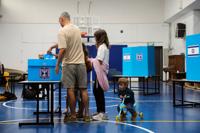
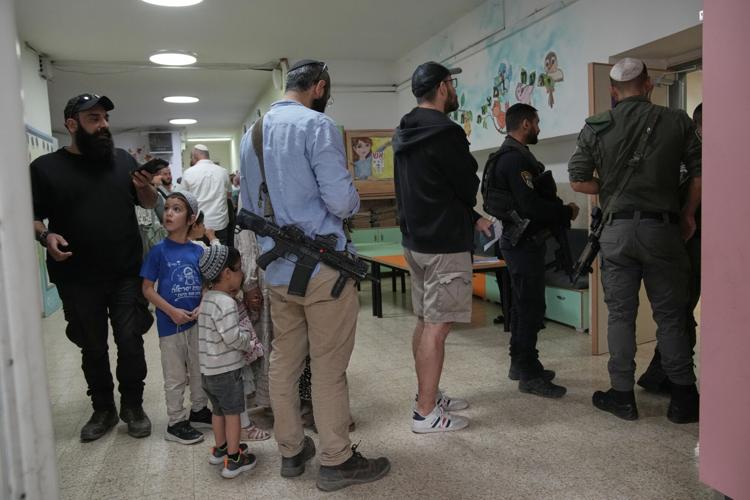
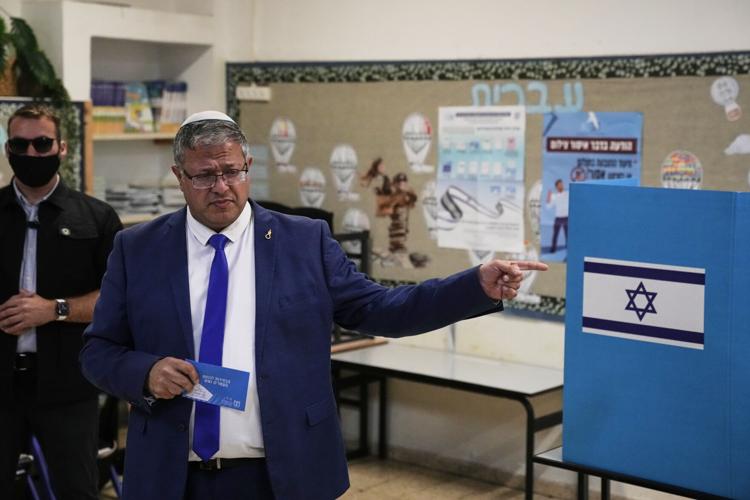
At a polling station set up in a Jerusalem school, some said they were voting for change while others said they only trusted Netanyahu to keep them secure.
“He’s not responsible for Oct. 7,” said Nisim Cohen, a reservist.
He said he wants Netanyahu to win the election and continue the wars in Gaza, Lebanon and with Iran until Israelis can sleep peacefully.
Politicians and officials begin to vote
Mansour Abbas, the soft-spoken 52-year-old leader of the Islamist party Ra’am, voted in his mountainside hometown in the Galilee.
Ra’am is expected to win at most a handful of seats in the Knesset, but Abbas could emerge as an unlikely kingmaker if neither Netanyahu nor the bloc of parties opposing him win enough seats to form a majority.
Abbas said he was hoping record turnout in Arab communities could help unseat Netanyahu’s right-wing government. “Our vote will change the government,” he said.
Israel’s far-right national security minister, Itamar Ben-Gvir, also voted. He’s perhaps the most visible of Netanyahu’s allies, with his public taunting of Palestinian detainees.
“God willing I will become defense minister, it will be good for the soldiers and good for the people of Israel,” Ben-Gvir said.
Netanyahu's rival meets with voters in a southern community attacked in 2023
Eisenkot, Netanyahu's top rival, was up and meeting voters as polls opened in Ofakim, one of the communities in southern Israel that was attacked by Hamas-led militants on Oct. 7, 2023.
The visit was likely aimed at reminding voters of the security failures ahead of the deadliest militant attack on Israel in its history, and of Netanyahu’s refusal of a state commission of inquiry into them.
Eisenkot lost his son and two nephews to combat in Gaza.
Polls open across Israel in a tense election
Thousands of volunteer Israeli election observers were in place at polling stations across the country to monitor the election.
Eyal Sher said he volunteered with a civil society group called Elections Guards because he wanted to play a role in such a critical vote.
“We have a corrupt government that will do anything to stay in power," he said. "Every vote counts and we want to make sure the procedures are kept intact.”
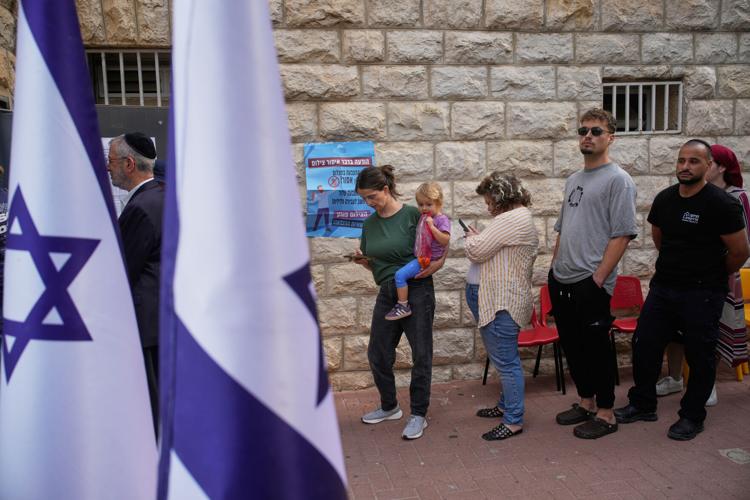
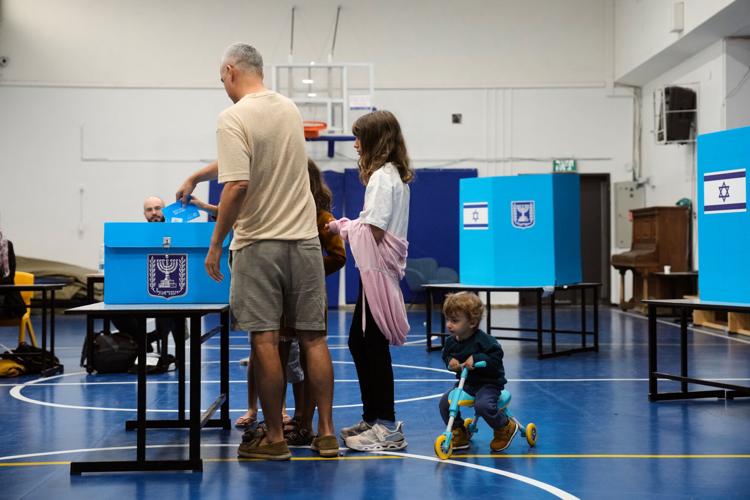
According to Israel’s Central Election Committee, more than 7.3 million Israelis are eligible to vote, including around 330,000 young Israelis who spent their high school years in the shadow of war.
The polling stations — around 12,000 of them — will close in most places at 10 pm. Ballots are manually counted at each polling station immediately after voting ends.
Netanyahu’s legacy is on the line in the vote
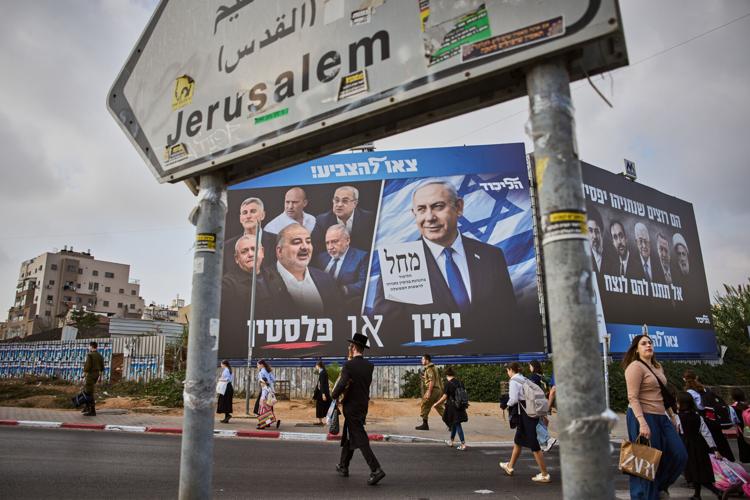
Netanyahu has been Israel’s most dominant politician for nearly two decades, and a poor showing could end the 77-year-old’s lengthy career on a bitter note and open the door to a new era in Israeli politics.
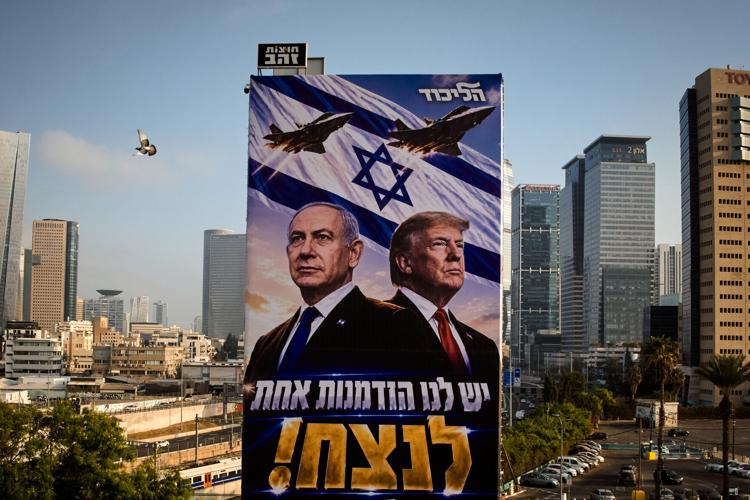
A victory would cement his image as the ultimate political survivor. Earlier this month, U.S. President Donald Trump backed Netanyahu's reelection, but the late endorsement still marked a setback for the Likud politician who had billed his tight ties to the Republican president as a selling point for staying in power.
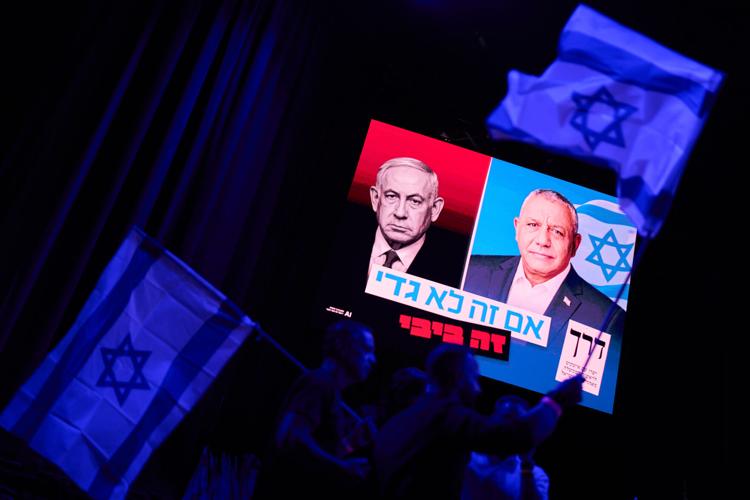
Netanyahu has been a master at forming coalitions with religious and nationalist partners. But opinion polls now suggest a tight race between his bloc and the one led by Eisenkot, which says Netanyahu should be held accountable for Oct. 7 and the failure to turn battlefield victories into diplomatic achievements.
Scars of Oct. 7 weigh heavily on Israelis
The deadliest day in Israel’s history has featured prominently in the campaign, but there has been almost no debate over Israel’s wartime conduct in Gaza, which led to an international arrest warrant against Netanyahu.
Israel's occupation of much of southern Lebanon and parts of Syria, as well as its two wars launched against Iran, also has broad support among Israelis.
The candidates have instead focused on Netanyahu’s role in the security breakdown on Oct. 7; his efforts to exempt ultra-Orthodox Jews from military service and a 2023 judicial overhaul seen by critics as an assault on Israel’s democratic institutions.