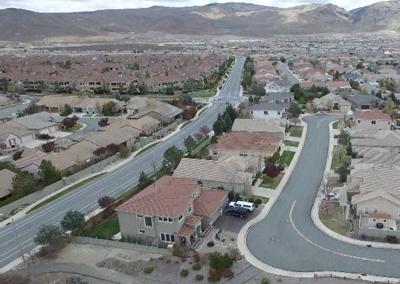



In the Truckee Meadows, the job market is doing so well, and the housing market is growing so slowly, that experts say the housing shortage in the Reno area is hindering companies from hiring employees because they have trouble finding affordable housing.
"We are finding shortages in the workforce across the board," President and CEO of Economic Development Authority of Western Nevada Mike Kazmierski says. "And those shortages will be exacerbated if we don't solve the housing problem first."
The housing shortage in the Reno area has caused rent to increase hundreds of dollars over the last several years, mainly because demand is so much higher than supply.
The greater Reno-Sparks area has seen ten thousand new jobs each year since 2015.
Unemployment is below four percent, which means we are at full employment. That means many of the future jobs opening will likely be filled by people who don't live here right now, and experts don't expect growth to slow.
"We're going to see ten thousand more jobs this year, 10 thousand probably next year," Project Manager for the Center for Regional Studies Brian Bonenfant says. "And if we do not figure out the infrastructure and housing shortages we will see companies pass on the area."
He believes it's reached the point where some businesses would not be interested in coming to the region because there's not enough housing.
"If they're a low-wage company, they're going to pass on the region," Bonenfant says. "Because the housing costs are not going to be there for their employees."
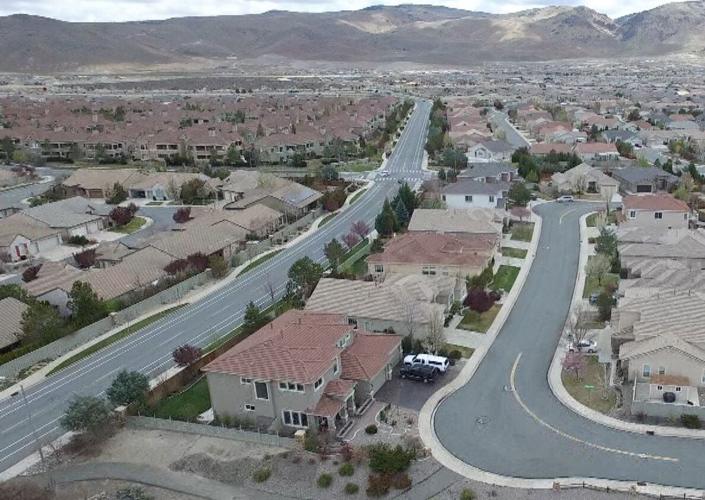
Demand is so high, Bonenfant says there needs to be more than large residential complexes on the outskirts of town, especially considering much of the workforce is young and wants to live in a city.
"Our number one in-migration population is [age] 25 to 29," Bonenfant says. "So that demographic, they want to be in urban areas where they can socialize. So that's going to prevent high demand in places like Fernley and Dayton."
Bonenfant and Kazmierski eluded to putting more units on existing land, which means building vertically, or building auxiliary units. Either way, Kazmierski agrees we can't just spread out.
"When you start growing up to become a city you have more density," Kazmierski says. "And the density allows you to better use resources put more housing units on each acre, it requires less city services and it's therefore less expensive overall so you can keep the price of the housing down."
Kazmierski says the area should be building more than six thousand units a year, but we haven't built 6,000 units in a single year since before the recession.