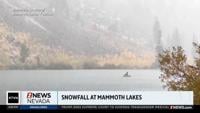


April has been a stormy month... so far. Snow and rain have dropped in the mountains and valleys and more is expected this week. Officials say the precipitation is too late to help the snowpack, though.
"We were hot," Chad Blanchard, U.S. District Court Water Master said. "We got a lot of snow melted off. Now, it's cooled back down. We'll just have to see how it plays out but now we've got precip in this cool spell, so that's helpful."
Most of it has already melted, which is earlier than normal. Blanchard says the moisture falling in April will help in other ways though.
"It's not really building the snowpack but it's helping add a little bit of snow and get some soil moisture in the ground, so it'll help make the runoff more efficient, what's left," Chad Blanchard, U.S. District Court Water Master said.
Tahoe City has had 2.02 inches of precipitation in April. That is about what the entire months averages, so the upcoming storm will more than likely put the month's moisture above average.
January, February and March were the driest those three months have ever been, combined. Blanchard says the runoff will still be much better than last year, thanks to record precipitation in October, followed by near record snowfall in December.
"The tremendous amount of rain we received in October really saturated things and we're still benefitting from that," Blanchard said. "The soil moisture's better, so we're not losing so much of the runoff to groundwater, into the soil."
The early snowmelt is not ideal. Typically, the snow melts later in the spring, allowing it to align with the increased demand for agriculture. The earlier runoff also means Lake Tahoe will have a longer period of time to evaporate, this summer.
"It's better to peak later at Tahoe just so you're subject to less negative inflow or evaporation greater than inflow during the summer months," Blanchard said.
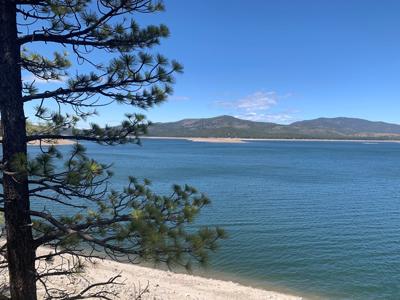
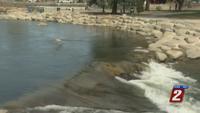
He says the creeks that feed Lake Tahoe are in good shape, despite the dry start to the year. The lake is 1.16 feet above its natural rim but that will drop substantially as we get closer to the fall months.
"We're expecting Lake Tahoe to get back down to the natural rim in late summer and possibly run out of Floriston rate water, sometime in September," Blanchard said.
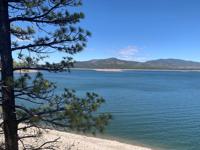
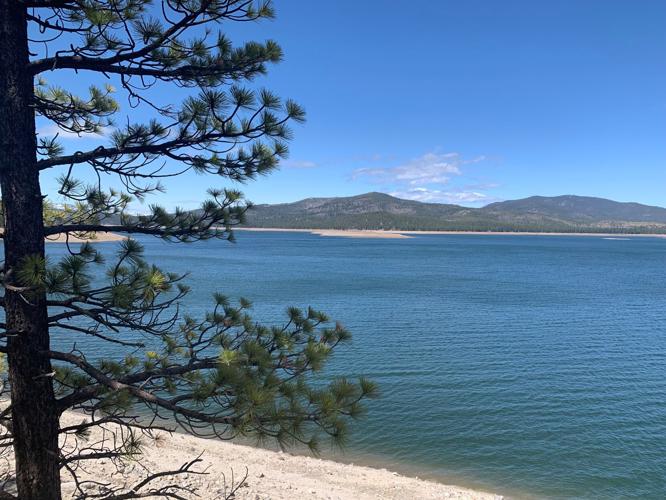
When that water runs out, Lake Tahoe and other upstream reservoirs will not be feeding water into the Truckee River. Blanchard says Stampede and other upstream reservoirs will not rise much more than they already have. The plan is to fill Boca Reservoir by moving water from Stampede because of the reconstructed dam.
"There was construction on the dam, a couple years ago and we need to fill it as a part of the process," Blanchard said. "You need to fill the reservoir afterwards, so they can do safety checks on that."
That water is not expected to last very long. Once again, the region will need a big winter, later this year to help replenish the water levels.
"Boca's storage will be depleted at a pretty quick rate, starting mid-summer," Blanchard said.
The snow year ends on April 1. Blanchard says the amount of precipitation progressively drops off after that.
"The largest March we've ever seen as far as precipitation is about 20 inches at Tahoe City," Blanchard said. "The largest April is only eight. The largest May is a little over four."
The lack of snowpack could affect recreation at some reservoirs. Most farmers will not get their entire water allocation for irrigation, this year. It is likely that some farms will not have any irrigation.