


October is Breast Cancer Awareness month, an international campaign designed to raise awareness about a disease that affects so many.
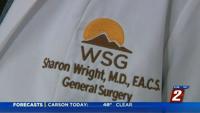
"I see a flood of new patients every October because everybody is reminded to get their mammogram," said Dr. Sharon Wright, a surgeon with Western Surgical Group. "It's very important because one out of every eight women will get breast cancer and most, three out of four, are not considered to be high risk, meaning no family history."
Dana Kilroy's doctor found a lump during a routine exam a little over a year ago.
"I made an appointment for the mammogram, and the lump he had felt turned out to be nothing," Kilroy said. "But they found a suspicious mass on the other side and it turned out to be cancer."
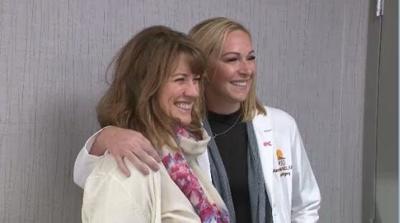
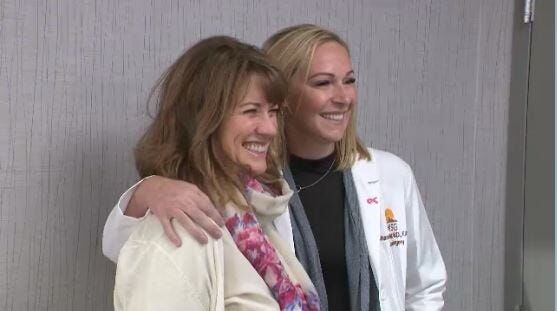
Soon, she'd undergo a lumpectomy with Dr. Wright, and start radiation treatment. But they caught it early.
"I am pretty good about getting my mammograms but I had skipped the year before and it was a very good reminder that mammograms are a very important screening tool that we have, and skipping them is a very bad idea," Kilroy said. "If I had skipped another one, who knows what the cancer would have developed into."
Screening rates in general have gone down during the pandemic.
"Over the last six months, breast cancer screening rates have decreased quite a bit. It's important to remember that breast cancer does not take a break during the pandemic," Wright said. "So we're doing everything we can to make your screening mammogram experience safe and comfortable so please feel comfortable coming in to get your screening mammogram."
Now, Kilroy is cancer-free, and making her health a priority.
"I have three kids and I've always prioritized their health, they never missed a pediatrician's appointment or a dentist visit," Kilroy said. "As a mom, it's easy to push yourself to the side and not prioritize yourself, and that's another lesson many women need to be aware of. Your health is just as important as everyone that lives in your house."
Women age 40 and older are advised to get mammograms every year, and younger women with a family history should talk to their doctor about when screening should start.
"If you feel a lump or change in your breasts, if you have a change in your mammography, get with your primary as soon as possible," Wright said. "At Western Surgical Group we have three doctors that specialize in breast cancer and we are part of a very important team in Northern Nevada that will take care of you from beginning to end."