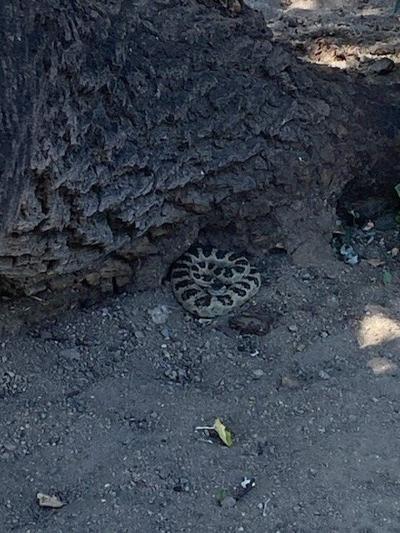
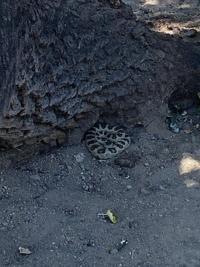


Snakes are very active during the day starting in March and going through the summer and into fall. In Nevada we have plenty of snakes and sometimes we encounter Rattlesnakes.
Officials say we need to be using our eyes and ears to spot Rattlesnakes, and make sure you stay on the hiking trail even if a snake crosses your path. But if you don’t see the Rattlesnake and it’s close by, it’ll give you a polite warning by rattling it’s tail.
Zac Campbell, the Western Region Education Supervisor of NDOW says, "If you do hear a Rattlesnake rattle stop and try and locate it." This is important to remember because there could be more than one Rattlesnake around you at a time. So you want to make sure you slowly back away and do not run.
Campbell explains, "more than likely they're going to back away as well. They don't want to be around you just as much as you don't want to be around them."
If you do get bit by a snake, officials say you should call 911 immediately and follow the instructions they give you. Campbell mentions, "Try to stay calm as well because when the venom is in your blood stream you want to stay calm and get to the hospital as soon as possible."
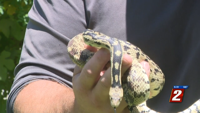
Gopher snakes, also known as Bullsnakes, can be mistaken as Rattlesnakes. Their patterns are very similar but a Bullsnake will have shinier scales and a longer, skinnier body. A Rattlesnake has a shorter thicker body, flat arrow shaped head, thicker cheeks where their venom glands are and of course a rattle.
Campbell says, "Don't get fooled by a gopher snake. One of their protection mechanisms is they'll fill up their bodes with air, they'll shake their tail and try and rub it up against grass or leaves to make a rattling sound."
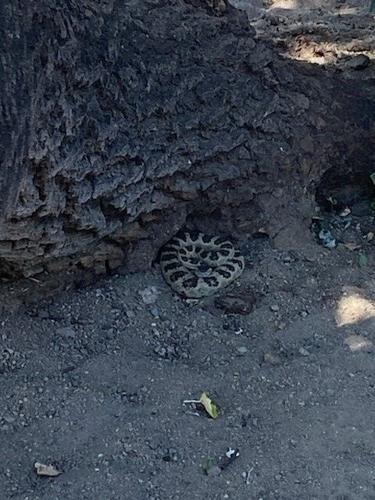
In the hot sun snakes can get too hot, so they often find cool places to hide. This can be under sage brush or under sheds.
Officials also say to stop feeding birds and small rodents if you want to avoid attracting snakes to your house.