
An estimated 24 million people in the United States suffer from an eating disorder but most of those people will never get the treatment they need.
Eating disorders have the highest mortality rate of any mental health issue and that's largely because about 90% of people suffering never get treatment.
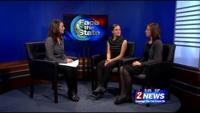
For Face the State this week, I asked an expert why that is. It turns out it's a combination of people just not getting a diagnosis, insurance not covering treatment and a stigma attached to the disease that stops people from asking for help.
I asked - how do you know when normal dieting crosses the line?
Katie Stout, the executive director of the Center for Hope in Reno says to look out for dramatic weight changes in short periods of time, an obsession with food, calories, or exercise and big changes to other parts of life as well. "If they're unable to socialize, continue with school, if they're losing relationships in their family, not able to hold a job, those are good signs that something is out of control."
Briana Biller is a recovered patient who has battled an eating disorder for most of her life.
She says it's a slippery slope once it starts. And in many cases people manage to hide it from their loved ones. "It starts to take over everything. It starts to dictate where you go, who you hang out with, every decision that you make. It starts to dictate everything."
To hear the rest of Briana's story and to learn about the Center for Hope, tune in or set your DVR for Face the State this weekend. It's airing tomorrow at 4:30 am and 4:30 pm. And on Sunday at 2:30 and 6:30 am and 4:30 pm.