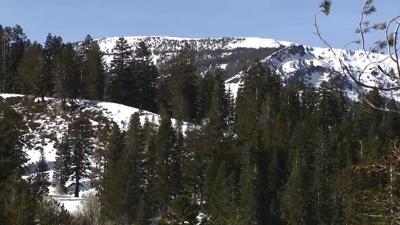
You know you're in a snow drought when the winter season feels more like spring. There are both immediate and long term affects of snow droughts.
"The most basic definition of a snow drought is a just a lack of snow when there should be in the middle of winter," said Climatologist Dan McEvoy of WRCC, The Desert Research Institute.
This can happen from a dry weather pattern or a warm pattern that brings more rain than snow. We've seen both types this winter season, and this pattern has happened multiple times in the past several years. This year is looking more and more like a couple years ago in 2015. 2015 gave us the least amount of snow on record, which is not good for recreation.
It's been a dry and warm winter season, and even if we make it up by the beginning of April, there are still some immediate and long term affects to be aware of.
"There needs to be more detailed research looking at what are the impacts looking at things like flooding, hydrology, ecosystems, vegetation, fire season," said McEvoy.
Researchers say we need to monitor impacts throughout the winter season, not just at the end.
"Started thinking a lot about how we get to above average precipitation at some point but also have below average snow pack conditions," added meteorologist Benjamin Hatchett.
For example, with the warm rain falling on top of snow and disrupting our snow pack, the 1997 flood is an example of a snow drought too. Even last year, we were in a snow drought to begin with. Every year is different, and their research brings to mind that even in years with above average precipitation, the effects of snow droughts can still linger.