Black bears across the Lake Tahoe Basin are entering a period of intense feeding as they build the fat reserves they need for winter.
Known as hyperphagia, this part of the bears’ annual cycle means they spend much of their time searching for food. Bears can consume as many as 25,000 calories a day during this period, which typically continues through fall until colder temperatures and diminishing natural food sources prompt them to begin denning for winter.
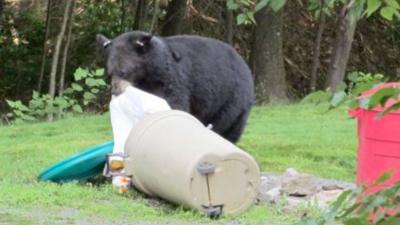
In the wild, bears feed on naturally available foods such as berries, insects, seeds, grasses and other seasonal sources. But garbage, pet food, birdseed, coolers and other human attractants can provide an easier and more concentrated source of calories.
The Tahoe Interagency Bear Team is reminding residents and visitors that although bears need to eat significantly more during hyperphagia, human food should never become part of their diet.
When bears repeatedly find food around homes, campgrounds, vehicles or neighborhoods, they can learn to associate people and developed areas with an easy meal. Food-conditioned bears may damage property, break into vehicles and homes, and create potentially dangerous situations for both bears and people.
There are several steps residents and visitors can take to keep food and other attractants away from bears.
Garbage should be kept in a bear-resistant container and properly latched. Trash should never be left outside or next to a full dumpster or garbage container.
Food, coolers, trash and other scented items should be removed from vehicles, and vehicle doors and windows should be kept closed and locked. People should never intentionally feed a bear.
Other attractants, including pet food, bird feeders, birdseed and livestock or chicken feed, should be removed or properly secured. Ripe fruit should be picked from trees, and fallen fruit should be cleaned up promptly. Barbecue grills should be cleaned after use and stored securely.
When camping or recreating, people should use provided bear boxes and food-storage lockers and make sure they are completely closed and latched. Doors and windows should also be secured when people are away from home or when rooms are unoccupied.
The Tahoe Interagency Bear Team is also urging drivers to remain especially alert for bears on area roadways. Vehicle collisions involving bears have increased across the region this summer.
Drivers should slow down and watch for wildlife, particularly at dawn, dusk, and at night, when bears can be more difficult to see. If a bear crosses the road, drivers should be prepared for another bear to follow.
When a sow is traveling with cubs, she may cross first, with one or more cubs following behind. Drivers who see a bear near or crossing a roadway should reduce their speed, scan both sides of the road, and give the animal plenty of time and space to cross safely.
Bears can be especially persistent in their search for food during hyperphagia. Anyone who encounters a bear near a food source should never approach the animal or attempt to take the food away. Instead, give the bear plenty of space and an opportunity to leave the area.
Hyperphagia is a normal and important part of a bear's annual cycle. Securing garbage and other attractants, never feeding bears, and staying alert on area roadways can help reduce human-bear conflicts and keep Tahoe's bears wild.
For information about living responsibly with bears, visit tahoebears.org and bearwise.org.
If a human-bear conflict poses an immediate threat, call the local sheriff's department or 911. In California, people can contact the CDFW at (916) 358-2917 or report an incident online through the Wildlife Incident Reporting system.
Non-emergency wildlife interactions in California State Parks can be reported to public dispatch at (916) 358-1300. In Nevada, people can contact NDOW at (775) 688-BEAR (2327).