



Nevada agencies are working together to increase public awareness of harmful algal blooms (HABs), how to recognize them, and how to protect people, pets, livestock, and wildlife when recreating in lakes, rivers, ponds, and reservoirs across the state.
The Nevada Harmful Algal Bloom Task Force is a multi-agency collaboration that includes the Nevada Division of Environmental Protection, Nevada Department of Health and Human Services, Nevada Division of State Parks, Nevada Department of Wildlife, Nevada Department of Agriculture, and other partner agencies. The group works to improve monitoring, communication, and response to harmful algal blooms in waterways across the state. A new technology has recently been deployed to monitor levels of cyanobacteria.
“It's a satellite remote sensing tool. It uses color data from the Sentinel two satellite. And, basically runs that color data through an algorithm, the end result being, value that tells us cyanobacteria concentration in the water column,” said Weston Fettgather, an environmental scientist with the Nevada Division of Environmental Protection.
When the cyanobacteria goes through photosynthesis, it changes colors. After the cells die, the color changes once again.
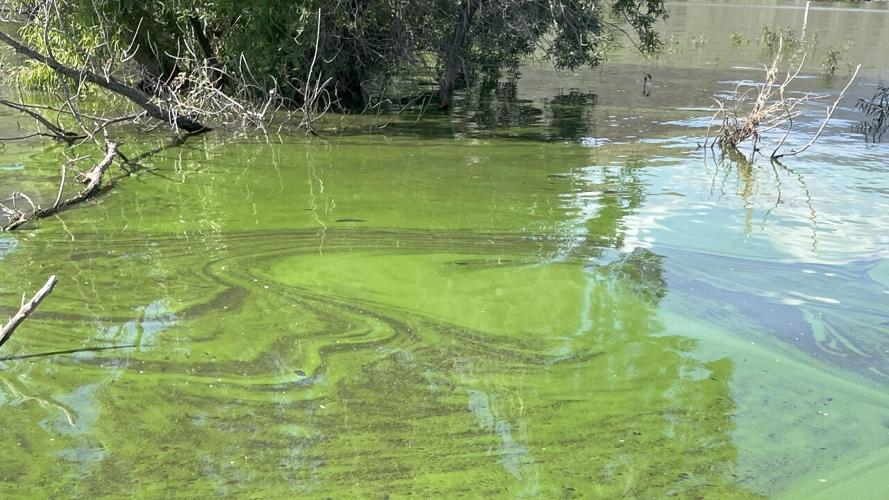
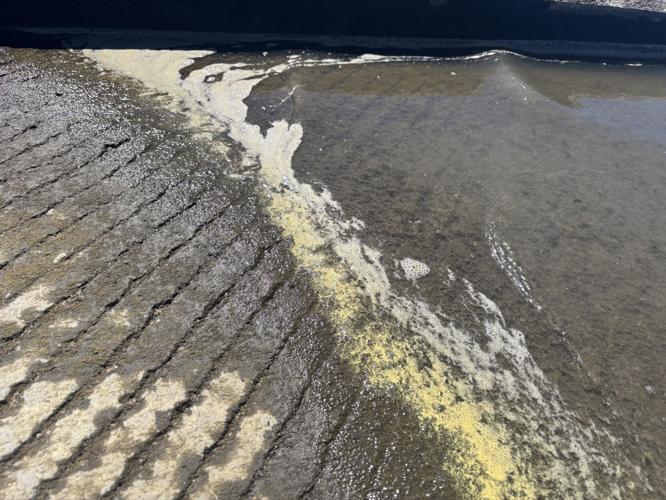
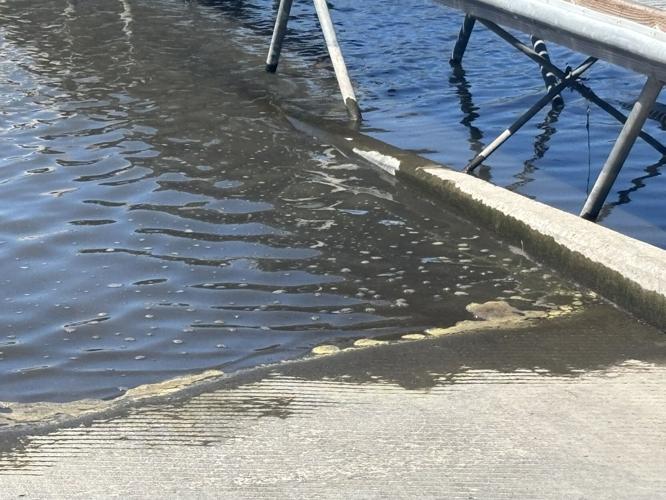
“Typically when the cells are actively photosynthesizing, they're bright green. That's when it'll take on the appearance of spilled paint on the water surface. After they die, they tend to lose that chlorophyl color and they turn more brown,” said Fettgather.
On Thursday, June 25, the Task Force hosted a media education day at Washoe Lake State Park in Washoe Valley. During the event, environmental scientists demonstrated how harmful algal blooms are identified and sampled in the field and explained how monitoring systems and public advisories are used to track conditions and inform recreation decisions.
Officials say Nevada’s lakes, reservoirs, ponds and rivers remain popular recreation destinations, but certain environmental conditions can allow naturally occurring cyanobacteria to rapidly multiply and form harmful algal blooms. These toxins may cause illness in humans and animals and can be especially dangerous for pets, livestock, and wildlife.
“Harmful algal blooms are a complex issue that requires collaboration across multiple agencies and areas of expertise,” said Jennifer Carr, Administrator of the Nevada Division of Environmental Protection. “By working together, we can improve monitoring efforts, provide timely information to the public, and help Nevadans make informed decisions when enjoying our lakes and reservoirs.”
“Public awareness plays an important role in reducing the risks associated with harmful algal blooms,” said Cindy Beard, State Epidemiologist. “Understanding what blooms can look like, paying attention to advisories, and avoiding contact with affected water can help protect people and animals from exposure.”
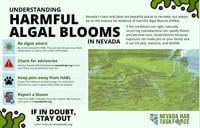
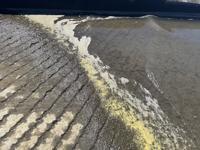
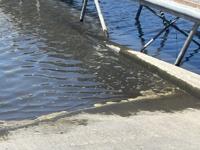
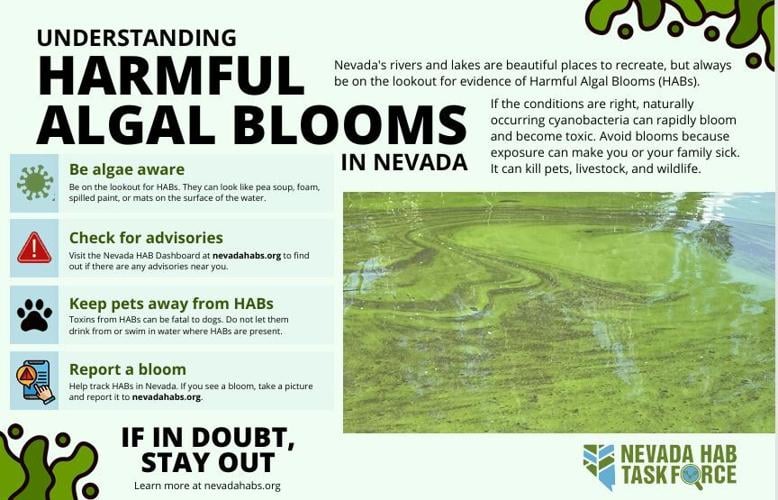
Officials are reminding the public to watch for warning signs of potential blooms, including water that appears discolored, has surface scum, foam, or looks like spilled paint.
They also encourage recreationists to take the following precautions:
Check current advisories at the Nevada HAB Dashboard at nevadahabs.org before visiting lakes or reservoirs
Avoid contact with water that looks suspicious or has visible bloom conditions
Keep pets away from water where blooms may be present, as toxins can be especially dangerous and potentially fatal to animals
Report suspected blooms by taking a photo and submitting it through nevadahabs.org to support monitoring efforts
The Task Force uses satellite imaging, cyanotoxin testing, and water quality monitoring to track bloom activity across the state. Researchers at the University of Nevada, Reno are also studying environmental factors that contribute to bloom formation.
Officials say the long-term goal is to expand monitoring networks, improve data collection, and strengthen public outreach and response efforts as part of Nevada’s HAB Strategic Response Plan.
More information on harmful algal blooms and public health guidance is available through the Nevada Office of State Epidemiology and at nevadahabs.org. The HAB reporting tool is also found on this page.
HABS are actually bacteria, not algae, and can cause sickness in humans and even kill animals. The Nevada Harmful Algal Bloom Task Force is hoping to prevent that from happening.