Residents across Northern Nevada witnessed a rare and colorful sight Tuesday night as the Aurora Borealis appeared over the region’s skies.
The natural light show, usually visible only much farther north, may return Wednesday night, according to forecasters.
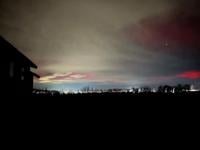
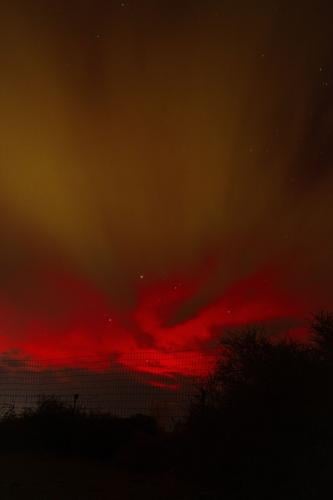
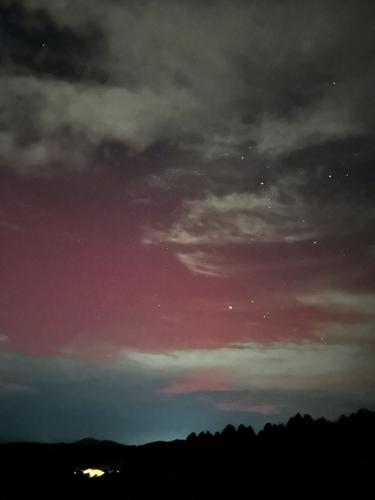
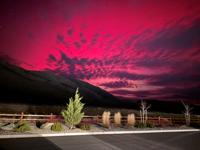
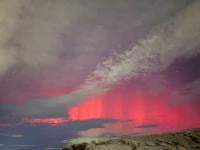
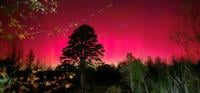
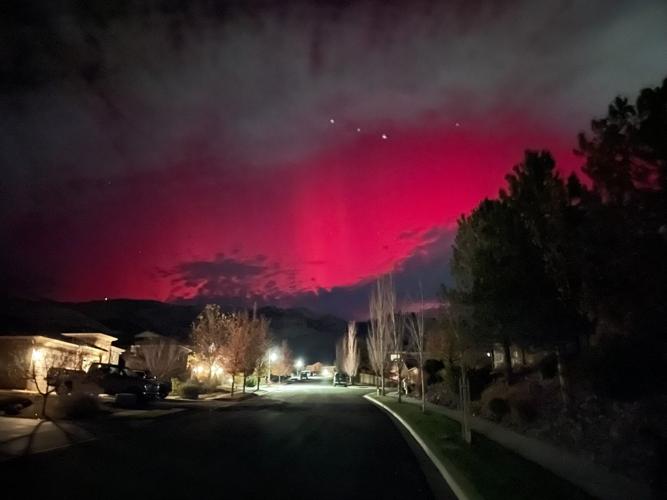
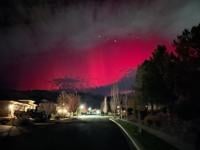
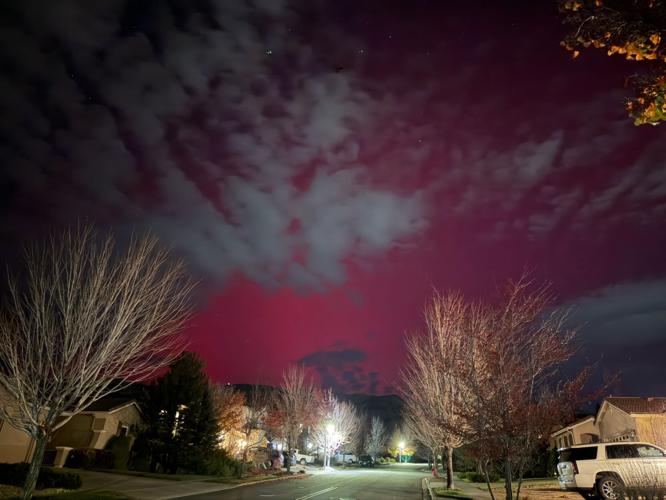
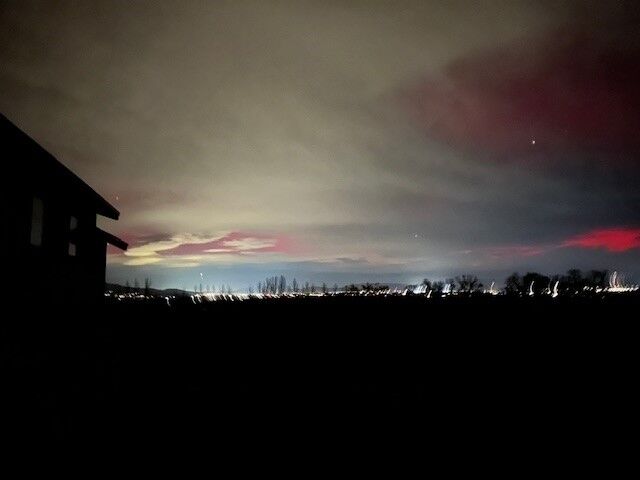
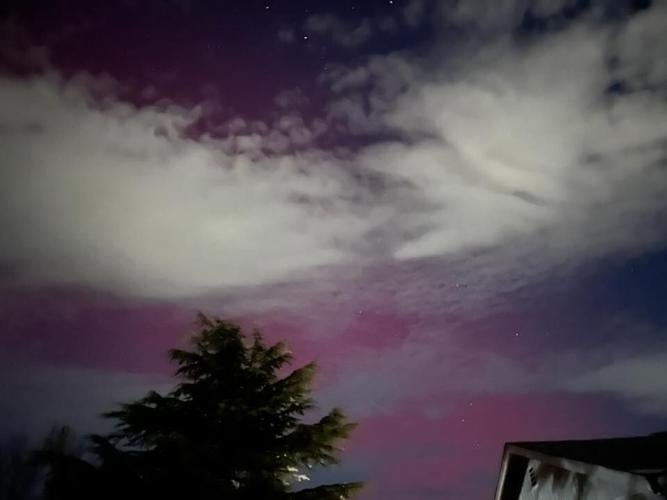
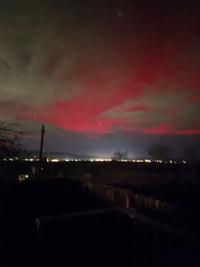
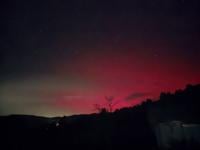
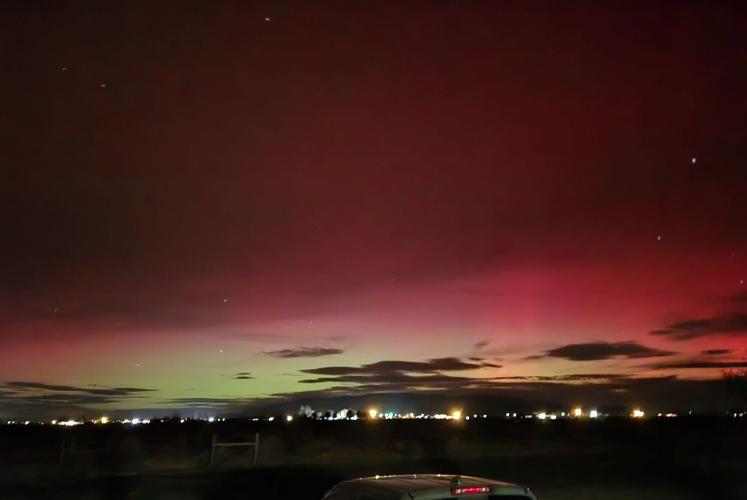
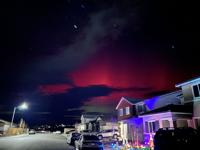
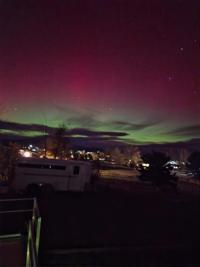
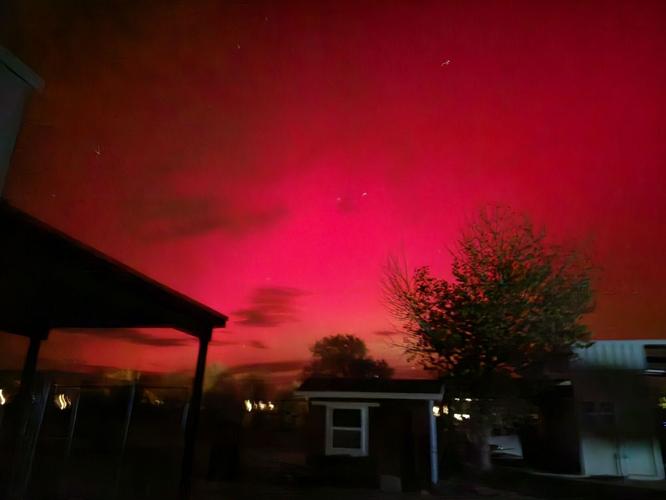
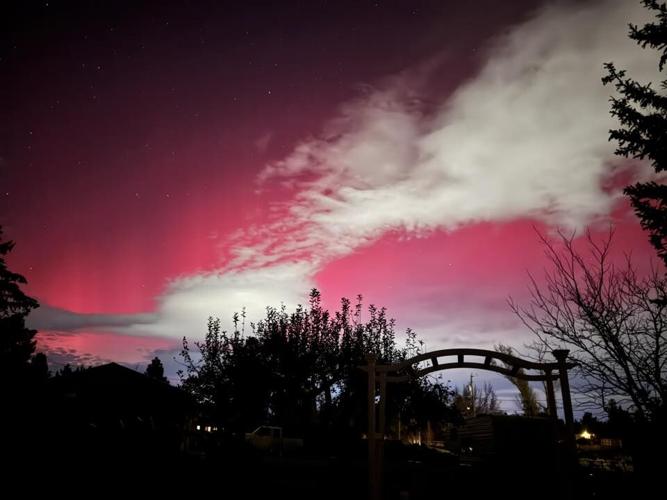
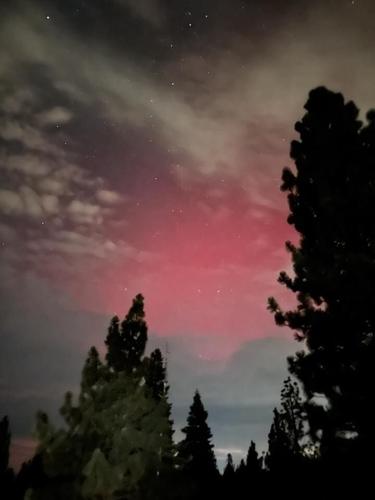
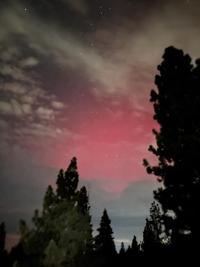
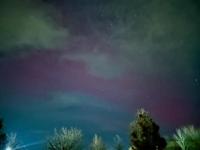
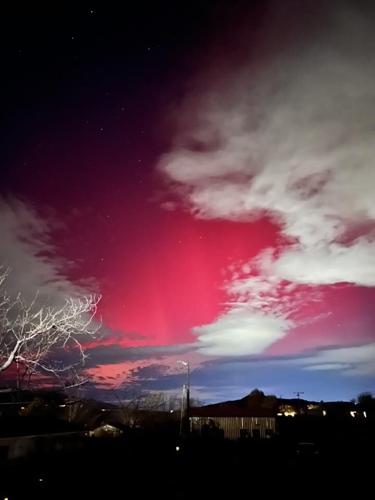
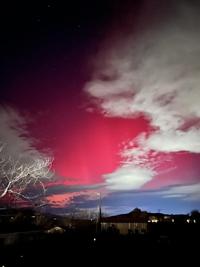
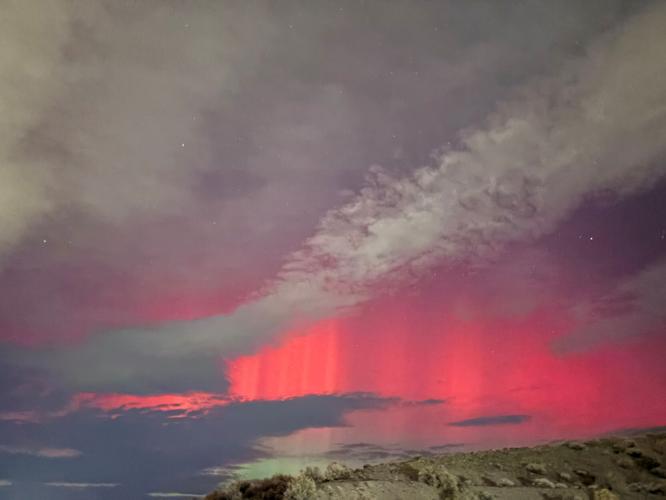
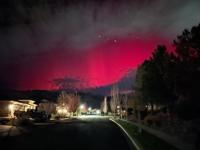
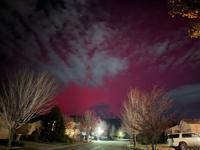
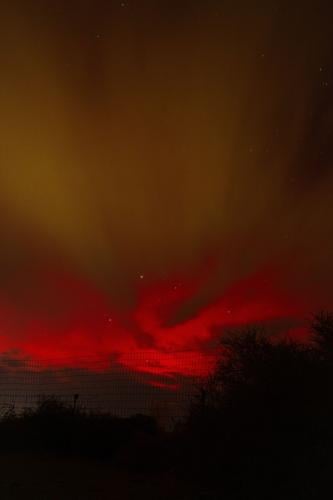
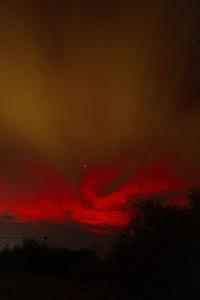
Viewers across the area shared photos of the phenomenon showing green and red glows across the northern horizon. The images, captured from communities around Northern Nevada, are featured in a photo gallery below.
The National Oceanic and Atmospheric Administration (NOAA) said the aurora display was caused by heightened geomagnetic activity linked to recent solar events.
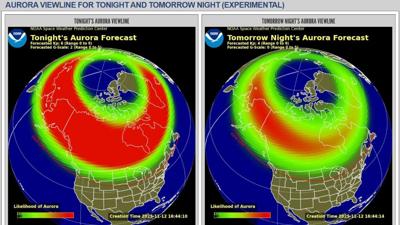
According to NOAA, “This is a prediction of the intensity and location of the aurora borealis tonight and tomorrow night over North America. It also shows a 'viewline' that represents the southern-most locations from which you may see the aurora on the northern horizon.”
NOAA explained that the prediction is based on the OVATION model, which measures the maximum forecast geomagnetic activity between 6 p.m. and 6 a.m. U.S. Central Time. “The images are updated continuously, with the transition when ‘tomorrow night’ becomes ‘tonight’ occurring at 12:00Z,” the agency said.
The maps from NOAA show green ovals centered on Earth’s magnetic pole, indicating where the aurora is likely to be visible. These ovals turn red when the lights are expected to be more intense. The aurora can often be seen from as far as 1,000 kilometers away when conditions are right, typically just after sunset or before sunrise.
Auroras form when charged particles from the Sun travel along Earth’s magnetic field lines toward the poles and collide with oxygen and nitrogen atoms in the upper atmosphere. These collisions produce light in varying colors depending on the gases involved and the altitude of the interaction.
The result was a rare view for Nevada residents, who reported seeing the northern lights for the first time in years.
NOAA forecasts show continued geomagnetic activity through the night, meaning conditions could again allow for visibility across parts of Nevada and surrounding states.
For those hoping to catch the show again, experts advise heading away from city lights, finding a northern horizon view, and looking around 10 p.m. to 2 a.m. local time. Cloud cover and light pollution remain major limiting factors.





Whether the lights return on Wednesday night remains uncertain, but the conditions are favorable for another appearance. Those interested are encouraged to submit their photos for the gallery.








(The National Oceanic and Atmospheric Administration (NOAA) contributed to this story.)