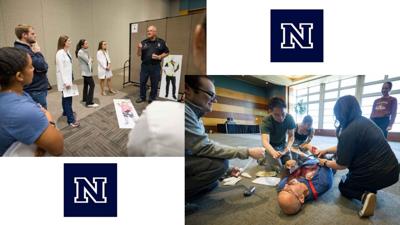

A large-scale disaster training at the University of Nevada, Reno, is giving students a closer look at what it takes to respond when a major emergency hits.
More than 180 students are set to take part in Interprofessional Care 2026, a coordinated exercise simulating a 6.9-magnitude earthquake and the mass-casualty situation that follows. The training is scheduled for next week and is designed to mirror the kind of high-pressure scenarios many of them may face in their careers.
Participants include students from the university’s School of Medicine, School of Public Health, and Orvis School of Nursing, along with students from the paramedic program at Truckee Meadows Community College.
During the exercise, students will work together using incident management strategies and casualty coordination techniques. That includes simulated triage and discussions focused on the Hospital Incident Command System, a structure used in real emergencies to organize response efforts.
Organizers say the goal is to give students practical experience in disaster response while strengthening communication and teamwork across different areas of health care. By working through a simulated large-scale emergency, participants are expected to build skills in coordinated care, resource management, and decision-making under pressure.
The exercise is coordinated by University Organizational Resilience, Northern Command, in partnership with campus and community organizations. Those partners include the Regional Emergency Medical Services Authority, Northern Nevada Public Health, the Washoe County School District, and several regional health care providers.
Additional partners include Renown Regional Medical Center, Saint Mary’s Regional Medical Center, and the Veterans Affairs Sierra Nevada Health Care System, among others, supporting the effort.
Organizers say exercises like this are key to preparing the next generation of health care workers for real-world disasters, where coordination and quick decision-making can directly affect patient and community outcomes.