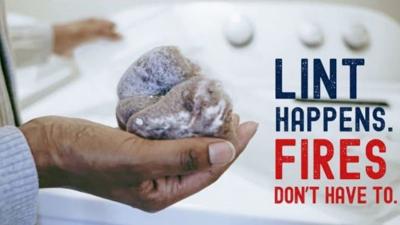
Truckee Meadows Fire Protection District is urging people to take steps to prevent dryer fires by regularly cleaning lint filters, vents, and exhaust systems in their homes.
According to the Truckee Meadows Fire Protection District in an online post, lint buildup can lead to a dryer fire if it is not cleaned regularly. The agency reminded people to clean the lint filter before or after each load, make sure the outdoor vent flap opens when the dryer is running, and have a qualified service person clean the inside of the dryer cabinet and exhaust duct once a year.
The warning is part of a broader fire prevention effort aimed at reducing avoidable home fires in the community.
According to FEMA on its website, people face a higher risk of a clothes dryer fire if lint filters and dryer vents are not cleaned. FEMA recommends having dryers installed and serviced by a professional, never using a dryer without a lint filter, and cleaning the lint filter before and after each cycle.
FEMA also advises people to clean behind the dryer where lint can collect, check that venting systems are not damaged, crushed, or restricted, and make sure outdoor vent coverings open properly while dryers are operating.
The National Fire Protection Association also warns that lint and debris can build up in dryer ducts, forcing dryers to work harder and creating potentially hazardous conditions, including dangerous levels of carbon monoxide in homes or fires.
The NFPA recommends having dryers professionally installed and serviced, using rigid or flexible metal venting material to maintain proper airflow, and removing lint collected around the dryer drum. The organization also advises people to inspect exhaust vent pipes regularly and clean them at least once a year or more often if clothes are taking longer than normal to dry.
The NFPA says gas dryers should be inspected by a professional to make sure gas lines and connections are intact and free of leaks. The organization also recommends using the proper plug and outlet, following manufacturer operating instructions, avoiding overloading dryers, and turning dryers off before leaving home or going to bed.
(Truckee Meadows Fire Protection District contributed to this story.)