



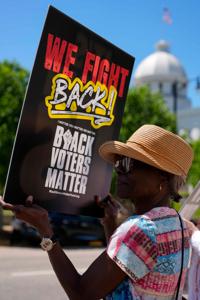













NASHVILLE, Tenn. (AP) — As civil rights advocates protest, Republican lawmakers in several Southern states are seizing on the opportunity afforded by a U.S. Supreme Court ruling to redraw congressional districts ahead of the November midterm elections.
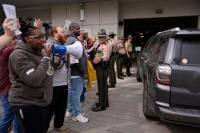
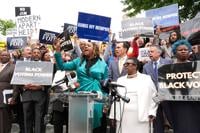
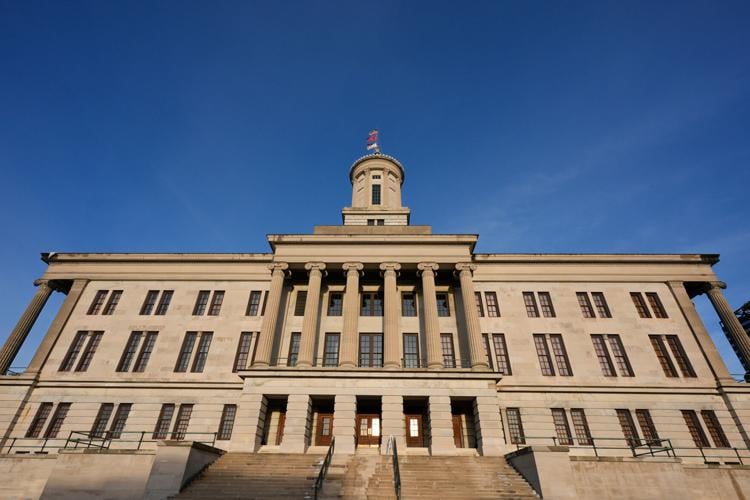
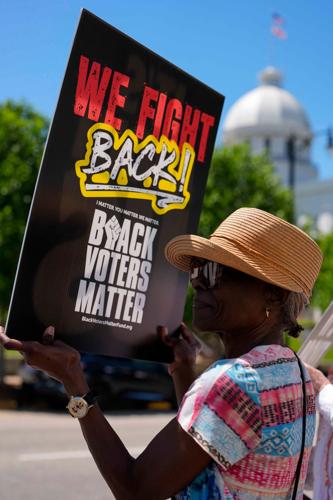
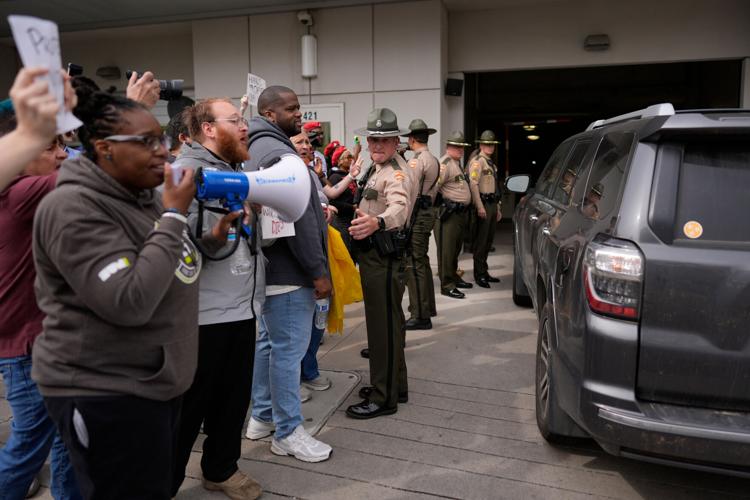
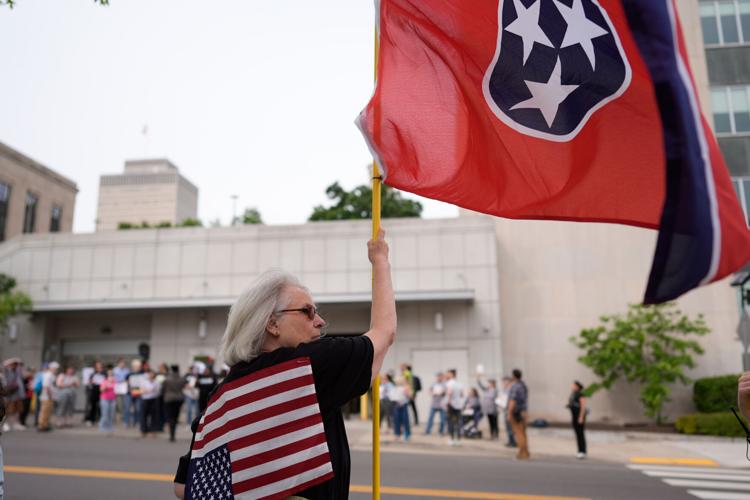
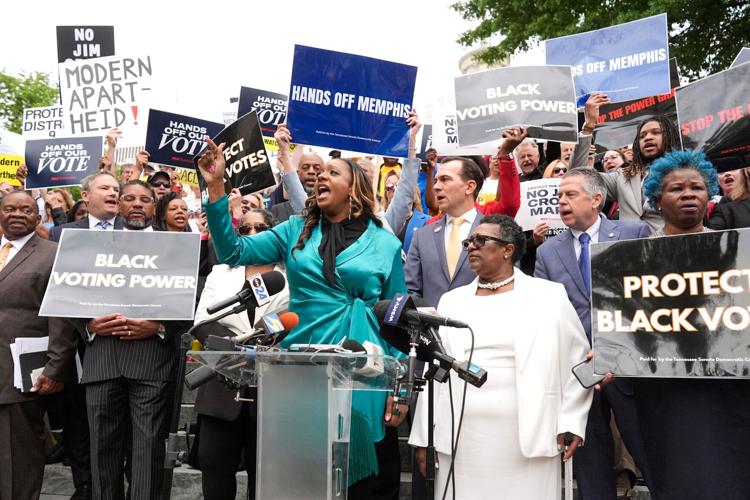
Protesters marched up to Tennessee's Capitol on Tuesday as a special legislative session began that could carve up a majority-Black district in Memphis. In Alabama, meanwhile, Republican lawmakers pressed ahead with a plan that could upend the state's congressional primaries. And Republican leaders in South Carolina announced Tuesday that would try to eliminate a House district held by a longtime Black Democratic lawmaker.
Louisiana lawmakers also are making plans for new U.S. House districts after the Supreme Court last week struck down the state's current map. The high court’s ruling said Louisiana relied too heavily on race when creating a second Black-majority House district as it attempted to comply with the Voting Rights Act. The ruling significantly altered a decades-old understanding of the law, giving Republicans in various states grounds to try to eliminate majority-Black districts that have elected Democrats.
It could lessen congressional representation for Black Americans and other minorities, reversing decades of gains in minority voting rights.
President Donald Trump has been encouraging more states to join in redistricting as Republicans seek to hold on to their narrow House majority in this year’s elections.
Eight states already have adopted new U.S. districts ahead of the midterms. From that, Republicans think they could gain as many as 13 seats in five states, while Democrats think they could gain up to 10 seats from new districts in three other states. But some of the new districts could be competitive in November, meaning the parties may not get all they sought.
The newly proposed redistricting in Southern states could add to the Republicans’ tally.
South Carolina to test its will for redistricting
Democratic U.S. Rep. Jim Clyburn has represented South Carolina's 6th Congressional District since it was redrawn to favor minority voters in 1992. He's running for an 18th term. But that could get harder if Republicans redraw his district.
Leaders in the state House and Senate said a redistricting effort needs to start with a two-thirds vote in each chamber. The issue could come up as soon as Wednesday. But if only a few Republicans aren’t on board, it can’t succeed.
“We don’t know if we have the votes in the House,” Republican Speaker Murrell Smith said.
Senate Majority Leader Shane Massey has warned that redistricting could backfire because of thin political margins, resulting in a second Democrat in the U.S. House. Massey told reporters Tuesday that he had a cordial conversation with Trump about redistricting, each laying out their concerns.
The state’s primaries are June 9 and early voting starts in three weeks.
Tennessee plan targets Memphis district
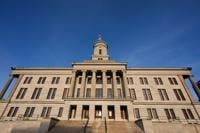
Republican Gov. Bill Lee called Tennessee lawmakers into a special session to consider a plan urged by Trump that could break up the state’s lone Democratic-held U.S. House district, centered on the majority-Black city of Memphis. Republican lawmakers said little about the plan Tuesday.
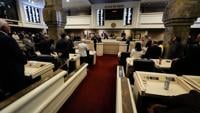
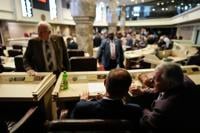
As the Senate began work, shouts of “shame, shame, shame” could be heard inside the chamber from protesters gathered in the hallways. On the chamber floor, Sen. Raumesh Akbari, a Black Democrat from Memphis, called the redistricting “an act of hate.”
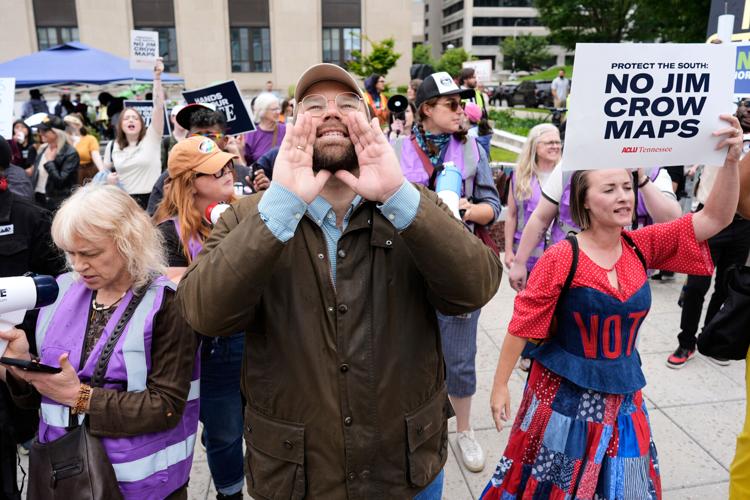
At a rally earlier Tuesday, state Rep. Justin Pearson of Memphis, who is running for Congress, denounced the Republican plan as a “racist redistricting.”
U.S. Rep. Steve Cohen, who is white, said the Memphis-based district he represents predates the Voting Rights Act.
“Memphis has been a majority black district historically, because that is where the population is,” he said. “It’s a district that is compact, and it has community purpose.”
Martin Luther King III sent a letter to Tennessee legislative leaders expressing “grave concern” about the plan to divide Memphis’ congressional representation.
“This decision undermines the work that my father, Dr. Martin Luther King, Jr., carried out to help secure passage of the Voting Rights Act,” he wrote, noting that his father was assassinated in Memphis.
The candidate qualifying period in Tennessee ended in March, and the primary election is scheduled for Aug. 6.
Alabama looks at setting a new primary
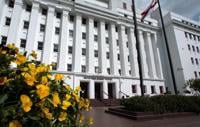
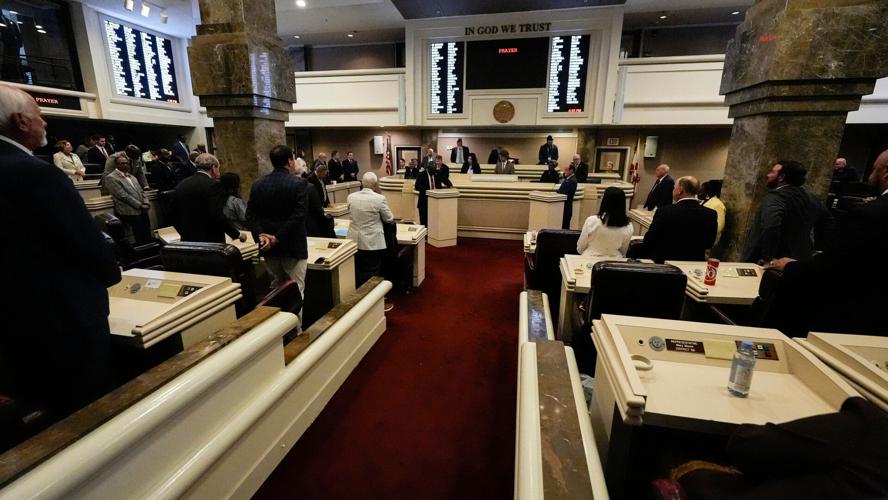
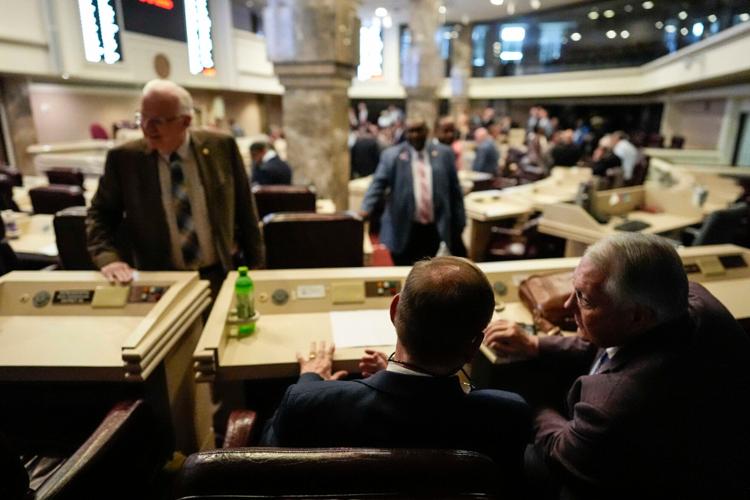
Alabama legislative committees swiftly advanced legislation Tuesday that would allow a special congressional primary, if the Supreme Court clears the way for the state to change its U.S. House districts.
In light of the court's ruling on Louisiana's districts, Alabama officials have asked the high court to set aside a judicial order to use a U.S. House map that includes two districts with a substantial number of Black voters and instead let the state revert to a map passed in 2023 by Republican lawmakers. That map could help the GOP win at least one of those two seats currently held by Democrats.
Alabama's primaries are scheduled for May 19. If the Supreme Court grants the state's request after or too close to the primary, the legislation under consideration would ignore the results of that primary and direct the governor to schedule a new primary under the revised districts.
“This is an opportunity for the voters to vote in the districts drawn by legislators in 2023,” said Republican state Rep. Chris Pringle, the bill's sponsor.
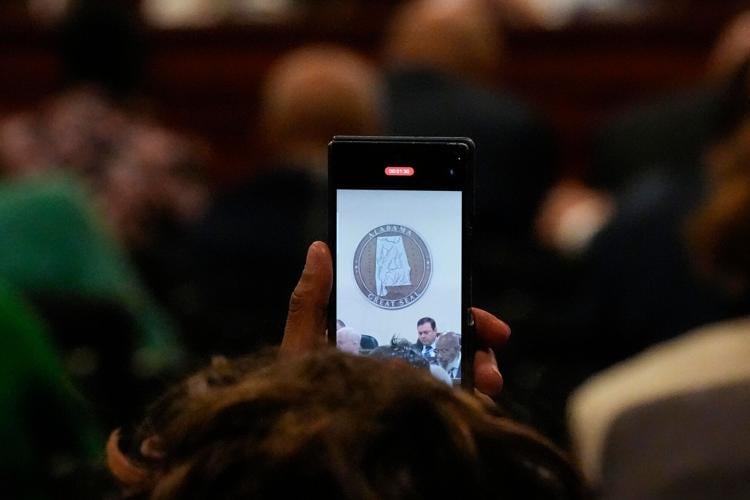
During a House committee hearing, several Black residents urged lawmakers not to change the current congressional districts.
“Representation matters — not just politically but in access, in power and in who gets to be heard,” said Eliza Jane Franklin, of rural Barbour County.
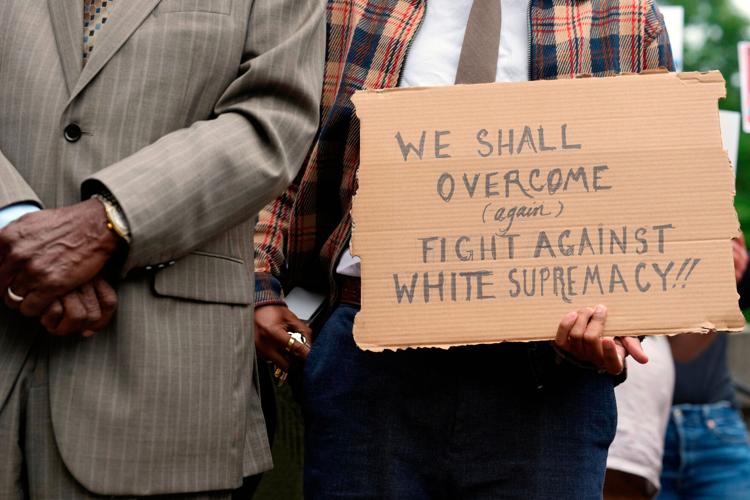
Democrats denounced legislation as a Republican power grab that harkens back to the state’s shameful history of denying Black residents equal rights and representation.
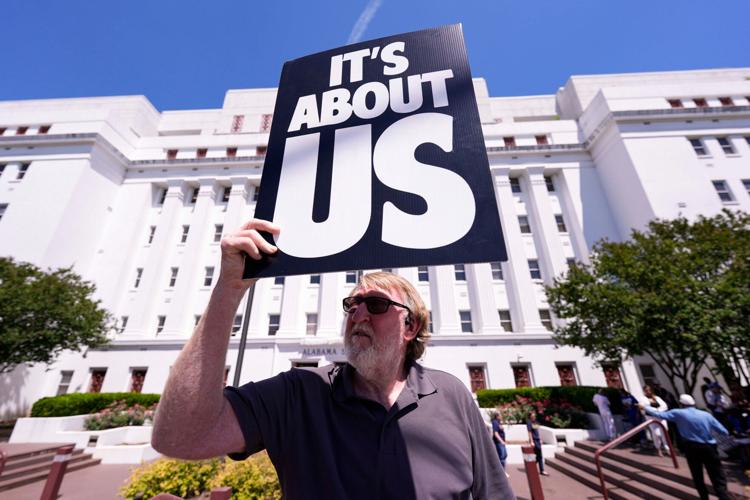
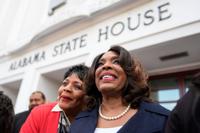
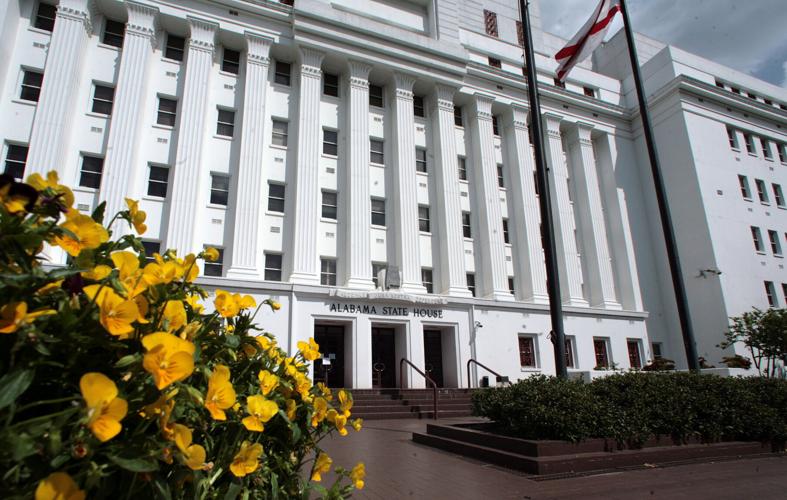
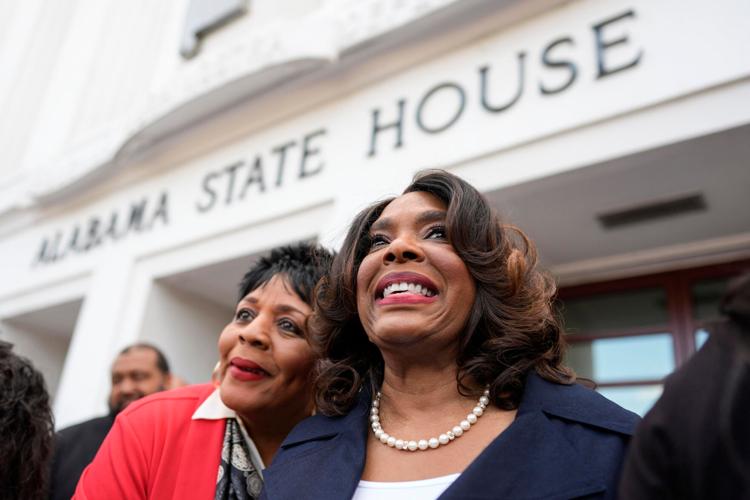
Republicans are “working to secure an electoral victory by taking Alabama back to the Jim Crow era, and we won’t go back,” Democratic U.S. Rep Terri Sewell told a crowd gathered outside the Alabama Statehouse.
Thousands had already voted in Louisiana
After last week’s Supreme Court decision, Republican Gov. Mike Landry postponed the state's May 16 congressional primary to allow time for lawmakers to approve new U.S. House districts. State Sen. Caleb Kleinpeter, a Republican, said a redistricting committee he leads plans to hold a public hearing Friday.
Louisiana voters had already sent in more than 41,000 completed absentee ballots by last Thursday, when Landry suspended the House primaries, according to the Secretary of State's Office. That’s about one third of all the absentee ballots sent out to voters. Around 19,000 were from registered Democrats, 17,000 from registered Republicans and the remainder belonged to neither party.
Democrats and civil rights groups have filed several lawsuits challenging the suspension of Louisiana’s congressional primary.
Chandler reported from Montgomery, Alabama, Lieb from Jefferson City, Missouri, and Collins from Columbia, South Carolina. Associated Press writers Jack Brook in New Orleans, and Nicholas Riccardi in Denver contributed to this report.