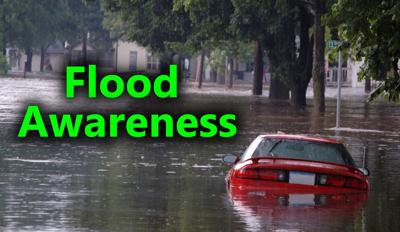
Flooding can be a big problem in our area if conditions are right, which is something you might not think about living in a desert. This is why the National Weather Service is promoting flood awareness week. Just as our weather can change in an instant, flooding can also happen quickly. Going from a few years of drought to flooding rivers, creeks, and streams the next. Now is the time to prepare while the weather is mild. 2017 was an epic year for our water supply and brought flooding to Northern Nevada as well. 2005 was another year that brought flooding to the Truckee Meadows.
Hydrologist Tim Bardsley from the National Weather Service says it’s not a matter of if we see more flooding, but when.
It’s important to know your flood risk ahead of the storm. Do you live in a flood plain? If so, do you have insurance and what does it cover? It’s better to have a plan of emergency before it happens. As the storm gets closer it’s important to clean debris from storm drains and gutters. According to the National Weather Service, a big flood along the Carson or Truckee River could produce 20,000 cubic feet per second, which is enough water to fill a new three bedroom house that’s flowing by every second. One cubic foot is equivalent to the volume of four basketballs.
"Many areas in town, in this area are susceptible to flooding and it may or it may not be from the Truckee River, or big creek. It could be something that appears very benign 99.9 percent of the time,” said Bardsley.

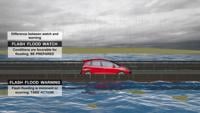
While thunderstorms can cause flash flooding, most of the widespread flooding that occurs in northern Nevada and California is from atmospheric river events. An atmospheric river is a plume of moisture coming up from the Pacific, near the Hawaiian Islands. Atmospheric rivers can produce a lot of rain and wind, clogging storm drains, melting snow, and causing our rivers, creaks, and streams to rise. Reno got just under three inches of rain with this last atmospheric river.
The last thing you want to do is drive through flooded waters. The road could be damaged, and it only takes six inches of water for a person to get swept away. It takes 12 inches for a car. The water is usually deeper than it appears. Remember the phrase, turn around don’t drown. The link below will give you a good idea where the flood plains are in Northern Nevada.