




Dr. Marie McCormack with Renown knows a thing or two about heat stroke.
“I am a survivor of heat stroke,” said Dr. McCormack. “But it also cost me two days in the hospital."
Since it happened to her, it can happen to anybody.
"But it still happened to me,” she said.
In Dr. McCormack’s case, she was doing yard work. She says people working outside, and athletes are at highest risk.
If you have heat exhaustion, you might begin to feel dizzy, nauseous, weak, and thirsty. Heat stroke can cause a person experience confusion, dizziness, or unconsciousness. The biggest indicator of heat stroke is that a person will not actually sweat. On a hot day, it does not take much time for heat exhaustion to become heat stroke.
"Heat exhaustion can progress to heat stroke as fast as 30 minutes,” said Dr. McCormack.
According to the Centers for Disease Control and Prevention during 2004–2018, an average of 702 heat-related deaths occurred in the United States annually. Even though death is relatively rare, there are longer term health consequences.
"It can also cause problems,” said Dr. McCormack. “I call it 'the bad stuff.' You could end up with liver failure, kidney failure, you could end up having a heart attack."
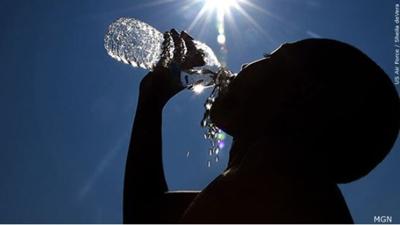
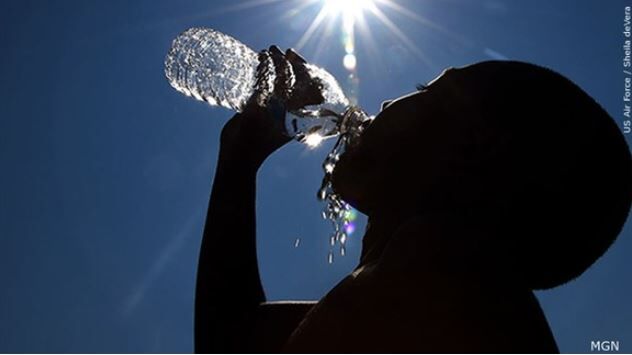
So besides the obvious of drinking plenty of water, knowing the time of day when to go out, will keep you safe.
"Go out in the mornings before 10:00,” she said. “Get your butt inside from 10-4. Then go back out once the Washoe Zephyr comes up, you're in good shape."