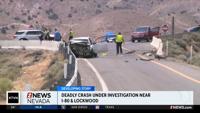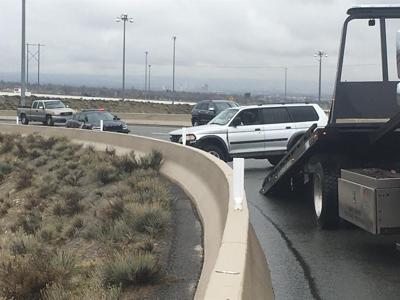
Nevada Highway Patrol says it believes weather may have caused a crash on I-580 north near the Mt. Rose on-ramp early Friday afternoon.
The injury crash, which happened just before noon, temporarily block some lanes.
NHP says the crash damaged the barrier, but it is not a hazard to nearby drivers.
Updated state road conditions, from winter road closures to traffic and road incident information, are available by dialing 511 or logging on to nvroads.com before driving.
Drivers can also check nevadadot.com to view live traffic cameras.
AAA offers these tips for driving in rainy weather:
- Check the systems. Make sure your brakes, defroster, heater, exhaust system, and lights work properly. Change the blades in your wipers and check the level and condition of the antifreeze.
- Inspect the tires. Good tread allows the water to escape from under the tires and increases traction. Keep tires at the proper pressure. Low pressure allows the tread to squeeze together and reduces traction. Too-high pressure prevents the tread from contacting the road thoroughly.
- Carry an extra car key. Many motorists lock themselves out of their vehicles when installing chains or attending to weather-related problems.
- Adjust your speed for the weather. SLOW DOWN. Keep in mind that your vehicle needs at least three times more distance to stop on slick roads.
- Increase your following distance. To safely stop, a vehicle needs a minimum of four to eight seconds between it and the vehicle in front.
- Be alert. Learn to "read" road conditions to anticipate a hazard in time to react safely. Bridges, overpasses, and shaded spots are a special danger because ice often forms first in these areas.
- Steer clear of collisions. Learn to take evasive action by steering around a situation to avoid collisions. Steering is preferred to braking at speeds above 25 mph because less distance is required to steer around an object than to brake to a stop. In winter weather, sudden braking often leads to skids.
- Recognize hydroplaning hazards. Even a small amount of water on the road can cause a vehicle to hydroplane. One-twelfth of an inch of water between your tires and the road means each tire has to displace one gallon of water a second. To reduce the chances of hydroplaning slow down, avoid hard braking or sharp turns, drive in the tracks of the vehicle ahead of you, and increase your following distance.