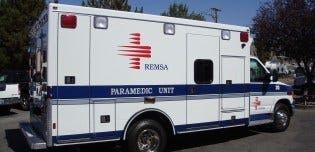
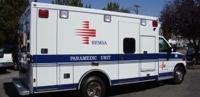
Emergency medical responders are on the front lines during the coronavirus pandemic. This means they're constantly in danger of catching the virus as they save lives and interact with those who may have COVID-19. REMSA started preparing back in February. Dispatchers started additional screenings asking about flu like symptoms, so crews could go into situations with the proper equipment. As time has progressed, that process has progressed as well.
"We're using a new protocol its a pandemic protocol that specifically allows us to capture data as far as who is calling with what symptoms, where they are calling from," said Integrated Health and REMSA Executive Director Adam Heinz.
REMSA is using new protocols when it comes to dealing with the coronavirus. Part of that process includes informing ambulance crews on who may have COVID-19 and providing specialized instructions for callers who may have virus. "We want to prepare them for when our responders arrive. That may be for instance asking them to isolate, maintain distance from other people, if there's a mask place the mask on the patient, and then come outside to meet responders if they are able to," said Heinz.
REMSA says it's personnel deals with infectious disease every day. The difference now is that there's so much of it. So new barriers have been set up between the driver and patient treatment. and ambulance crews are taking other steps to ensure their own safety. "We are practicing distancing when we assess patients, turning on fans in the back of the ambulance, and opening the doors to create pressure to create air moment. All of those things are new," said Heinz.
Ambulance crews are fitted with special respirators to protect themselves, as well as surgical masks. "That is not really used for filtration protection. It's just to protect the filters in case they come in contact with anything else. It just kind of extends the life of the respirator," said Heinz.
Besides the different types of respirators, other personal protective equipment, or PPE as they are called, have been added to protect the paramedics from being exposed.
"They have a splash proof gown, this prevents from any type of respiratory droplets," said Heinz. REMSA says it uses hydrogen peroxide wipes to sanitize the inside of the ambulances as well.