

The smoke has made it difficult for people to be outside, but it can be dangerous for those with asthma or allergies. It's a high pollen count summer, and as you know the smoke from wildfires has been terrible. Allergists say they're seeing a lot of first time allergy sufferers.
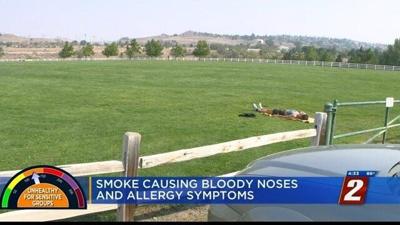
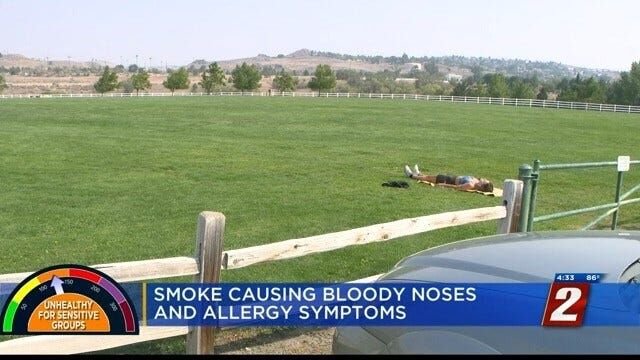
Hannah Truby enjoyed her morning in the sun at Rancho San Rafael Park, like she's done for years, but this summer is a little different. "Since we haven't got a break in the smoke, my health has just gotten worse. It's become a chronic laryngitis situation. So I've been taking anti-inflammatory medicine and antibiotics. I don't sound like this usually. This isn't my voice," said Truby.
She says the smoke this summer has made her allergies worse than ever. What's normally a summer nuisance, has blown up into full fledged allergies. "Since the fires, I've seen more bloody noses. My voice is gone every night. When I wake up in the morning, its a little bit back," said Truby.
"We are seeing first time patients with throat irritation, cough, post nasal drip, eye irritation. Our chronic patients are experiencing worse conditions as well," said Allergy And Asthma Associates Doctor Jason Bellak. He says a dry cough and a hoarseness are the most common symptom people are seeing right now.
Besides drinking a lot of water, there are things you can do to help prevent the irritation from the smoke in your home. "Running your air conditioning more often helps filter the air," said Dr. Bellak. Many of the throat problems related to smoke come from post-nasal drip from your nose. "Things that can help are sinus rinses, or nasal saline sprays.
Other symptoms are popping up as well. "I didn't know I had allergies. and then the smoke happened. Now my eyes are watering," said local resident Francis Cross. "Artificial tears can help with some of that," said Dr. Bellak.
11-year-old Jicelle Nunez has a more serious health issue that's been exacerbated by the smoke, asthma. "The smoke got me sick. I got a runny nose, a cough, and I couldn't hold myself up standing," said Nunez. "If you are using your rescue inhaler multiple times a week or you are waking up multiple times a week from asthma, you really should see your physician," said Dr. Bellak.
Dr. Bellak says it is better to keep your home humid, but not to blast your car air conditioning, because cold dry air is bad for allergy symptoms. The use of N-95 masks will help as well.