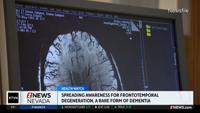



This week is FTD Awareness Week, meant to spread the word about Frontotemporal Degeneration and the research that still needs to be done to understand it.
FTD is a rare form of dementia. Unlike most forms, FTD does not impact the memory of the person who has it. Instead, it changes their behavior. For their loved ones, the person they used to know almost ceases to exist.
“It happens more for people under 60 years of age, which is different. And it just completely transforms personality,” said Scott Oxarart. “That's really, I think what separates it most is because, you know, a person their whole life for who they are, how they act, the decisions they make, the type of person they are, and this disease completely changes who that person is.”
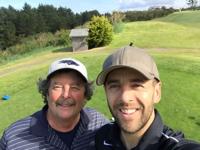
Scott Oxarart is not only an ambassador for The Association for Frontotemporal Degeneration, but also the son of Steve Oxarart, who was diagnosed with FTD in 2021 and passed away in 2023. Steve began showing symptoms in 2018.

There is no cure, treatment, or quick way to diagnose the disease, with most diagnoses taking three and a half years.
“It's a process of elimination at that point. You start ordering tests, you try to find kind of what's going on, but eventually it needs to go to a neurologist, and a neurologist needs to take CT scans and MRIs to look at the brain,” said Oxarart.
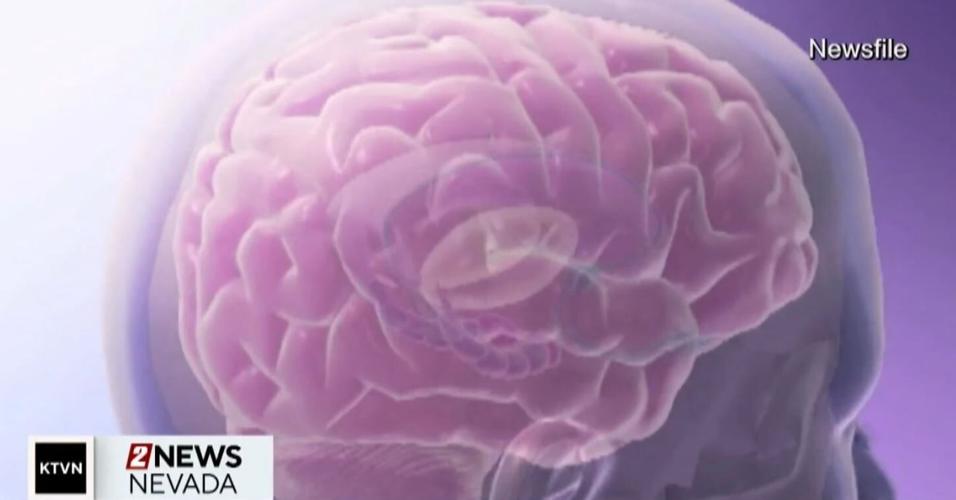
The brain actually shrinks with FTD, and the only way to diagnose it is with scans over time that show the shrinkage.
Oxarart says the first step in securing a diagnosis is to work with a primary care physician once symptoms begin manifesting.
The first sign is usually small personality changes.
“A lot of people think it's depression, and apathetic and just weird behavior. But that's just the manifestation of the disease,” said Oxarart. “It starts really small.”
Those changes can include hypersexuality, delusional thoughts and episodes, and apathetic behavior. The brain shrinkage also causes symptoms similar to ALS.
Those with FTD begin to lose the ability to swallow, causing a loss of speech and the inability to eat food.
In the time between manifestation and the need for hospice care, loved ones see someone they care about become unrecognizable.
“The biggest thing that we noticed with my dad when he was really in the thick of the disease, and anybody with FTD, eventually becomes a person you really just don't want to be around. And it's one of the saddest things you could go through, not wanting to see your dad or your mom or your sister, your brother, because who they have become is so much different than who they were,” said Oxarart.
Oxarart says he cannot stress enough that this is when they need their loved ones the most.
For more information on FTD, support available, and what to do if you believe a loved one may have it, click here.