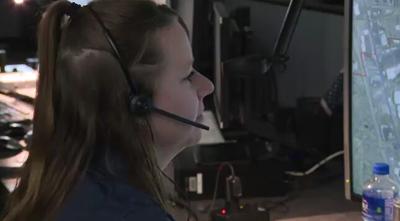




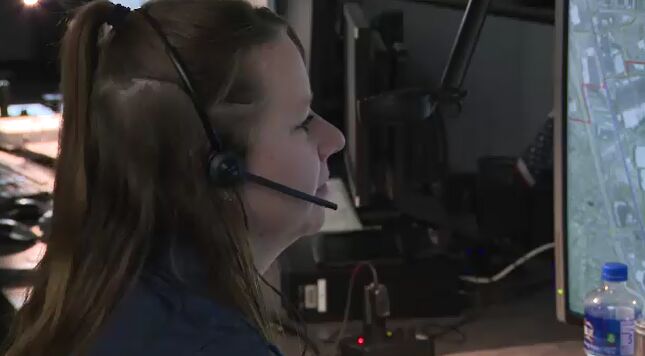
This week is National Public Safety Telecommunicators Week, where we stop and give thanks to dispatchers for all their hard work.
For some of us answering the phone means taking calls for customer service or even someone trying to set up an appointment, for dispatchers answering the phone is a matter of life or death. Which can affect their mental health, but when they do save a persons life, it can be rewarding.
Dispatchers are the first voice you hear when you call for help, but for dispatchers, they are also the first one to hear about crimes in the area, such as shootings or robberies. Due to high calls, they are unable to stop and rest between each one,
"Each little call is a compartment of trauma and we have to put it in a ball and we move on to the next call cause we have four other calls ringing," explains Erin Yeung, Public Safety Dispatch Supervisor.
But even though this is a non-stop job listening to callers cry for help, there is a silver lining,
"It feels really good when you answer a call and they get help and it has a good outcome," says Yeung.
Since it's National Public Safety Telecommunicators Week, the city and the community provided food and "Thank you's" for all their hard work, giving them a little motivation to keep going,
"We all go call to call and we put our heads down and grind through the day so it is nice to stop and take a step back and say hey we appreciate all the hard work you do," says Yeung.
But even without this week, these dispatchers are always here to serve you,
"The city needs to know that we are here for them and that we work for them and we are interested in their feedback and concern for their welfare," says Jaime Phillips, who has been a dispatcher for 15 years.
When it comes to calling 911 there are a few things you can do to help these dispatchers help you:
- Know your location, such as a side street or a business.
- Try and remain calm. It can be difficult for dispatchers to understand you when you are panicked.
- Try and answer all the questions dispatchers ask you. These questions are made to help the dispatchers understand the situation as well as keep you and officers safe.
If you ever call 911 and change your mind, do not hang up. Dispatchers will have to call you back and see if everything is okay, taking time away from other callers. It is best to stay on the line and tell the dispatcher you changed your mind.