


Nevada has a 20-year deadline for how long prosecutors can charge a suspect with rape. Lawmakers could change that though, abolishing the statute of limitations for rape cases if there is DNA evidence available.
"People that are sexually assaulted deserve to have justice and closure," Assem. Lisa Krasner, R-Reno said. "This bill just gives a little bit more of a right to a victim who has been sexually assaulted."
Krasner is the bill's sponsor, who also put her name on a bill in 2017 that extended the statute of limitations for sexual assault from 10 years to 20 years. She says AB142 would keep that timeline in place except unless there is DNA that could match a person to the crime.
"Over many, many years memories fade," Krasner said. "It would be 'He said, she said' but now we have DNA evidence."
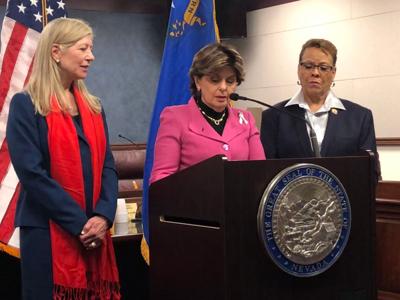
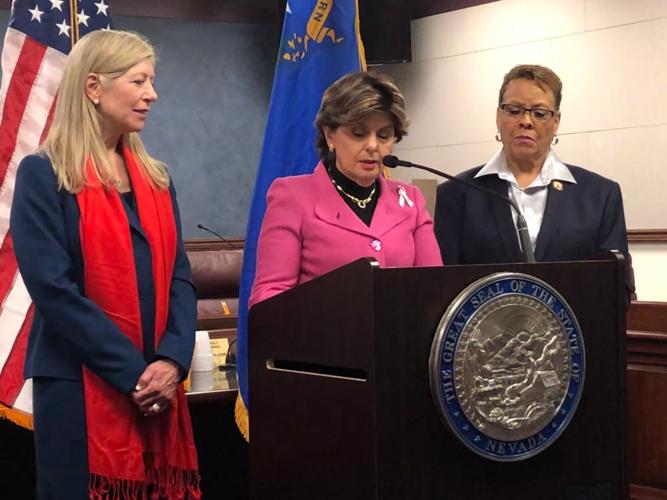
Krasner says this bill would be critical for cases that involve rape kits that have gone untested for many years. Once again, she brought prominent women's rights attorney Gloria Allred to Nevada to testify on the bill's behalf. She says victims should be able to get justice, no matter how much time passes.
"We don't want to shut the courthouse door in her face and say 'Sorry, it's too late,'" Allred said. "Especially, where it's not her fault that the DNA test was not tested in a timely way."
Sen. Pat Spearman is the bill's co-sponsor. She says rapists should face the consequences, saying their victims deal with a lifetime of emotional trauma.
"People who have been victimized in these crimes get a life sentence," Spearman, D-North Las Vegas said. "There's nothing they can do for the rest of their life to get away from the memory of those heinous crimes."
Spearman says AB142 is a bipartisan and bicameral piece of legislation that she thinks will get support. Nobody testified in opposition to the bill during Monday's Assembly Judiciary meeting.
There are questions of how long DNA is stored if a victim gets a rape examination but does not file a police report. One person said the DNA would be destroyed after 30 days while another said would be destroyed after one year. Supporters say the samples should be preserved, even if it means additional costs to store them.
"The question then becomes not how high is the fiscal note but what can we do as a state to help these victims," Spearman said. "I want us to think about this in terms of what is the human cost."
Allred says this bill is important for victims, but also benefits society.
"It's about access to justice but it's also about the safety of the community because there's no reason to let a rapist go without being prosecuted," Allred said.
Krasner says 26 states have already passed similar legislation and 10 states have abolished the statute of limitations for rape, altogether.